From Kitengela to the Global Runway: How Nairobi Became East Africa's Fashion Capital
A journey through decades of creativity shows how a once-overlooked creative sector has transformed the city's cultural identity and economy.
A journey through decades of creativity shows how a once-overlooked creative sector has transformed the city's cultural identity and economy.
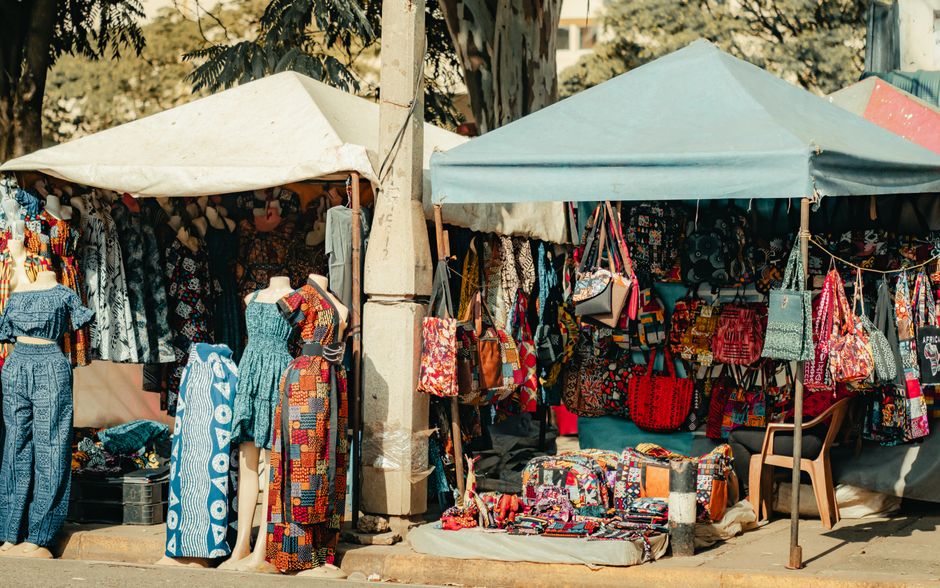
Walk through the cobbled streets of Kibera or the converted workshops along Ngong Road today, and you'll encounter a fashion ecosystem that barely existed three decades ago. Nairobi's design renaissance—from underground ateliers to international recognition—tells a story of grit, cultural pride, and economic transformation that rivals any global fashion hub.
In the 1990s, fashion design in Nairobi was largely invisible. Designers worked from cramped rooms in Eastleigh or Parklands, producing clothes for a domestic market with limited resources. The turning point came in the early 2000s when a new generation began blending Kenyan textiles, Maasai beadwork, and contemporary silhouettes. The emergence of platforms like the Nairobi Fashion Hub—established in the Westlands area—provided crucial infrastructure and mentorship that legitimized the industry.
By the 2010s, the creative industries contributed an estimated 4.8 percent to Kenya's GDP, with fashion as a significant component. Today, young designers graduating from institutions like the Kenya National School of Performing Arts find themselves operating within a genuinely competitive landscape. Venues like the Safari Park Hotel and the Villa Rosa Kempinski have hosted increasingly sophisticated fashion weeks, drawing international buyers and journalists.
The geography of production has shifted dramatically. While Nairobi's garment manufacturing heartland—historically concentrated in industrial areas like Jua Kali workshops in Gikomba—still exists, the design sector has decentralized. Kitengela has emerged as a surprising creative hub, with established and emerging designers occupying shared studio spaces. Rents remain lower than Nairobi's central business district, attracting experimental work. The Karen and Langata areas house several boutique design studios where makers collaborate across disciplines: fashion, jewellery, and textile arts.
The digital revolution has been equally transformative. Social media platforms have replaced traditional gatekeepers. Designers now bypass overseas distributors, selling directly to global customers. Instagram has become a de facto showroom, with Nairobi-based fashion accounts accumulating hundreds of thousands of followers. This democratization has created opportunities but also intensified competition.
Contemporary challenges remain. Access to quality fabrics at competitive prices, difficulty securing export financing, and inconsistent electricity supply still hinder production. Yet the sector's resilience is evident. Industry associations have professionalized standards. Export volumes have grown steadily. Most importantly, fashion design has become woven into Nairobi's identity—no longer a peripheral pursuit but a defining part of the city's cultural conversation.
The evolution continues. What began as individual dreamers working in isolation has crystallized into a genuine creative ecosystem, proof that Nairobi's fashion moment wasn't a passing trend but a fundamental shift in how the city sees itself.
This article was compiled by AI from the sources linked above and screened before publishing. See our editorial standards.
How does this story make you feel?
Spread the word
About this article
Published by The Daily Nairobi
Daily brief
Free, in your inbox before 7am. Weekdays.
More in culture