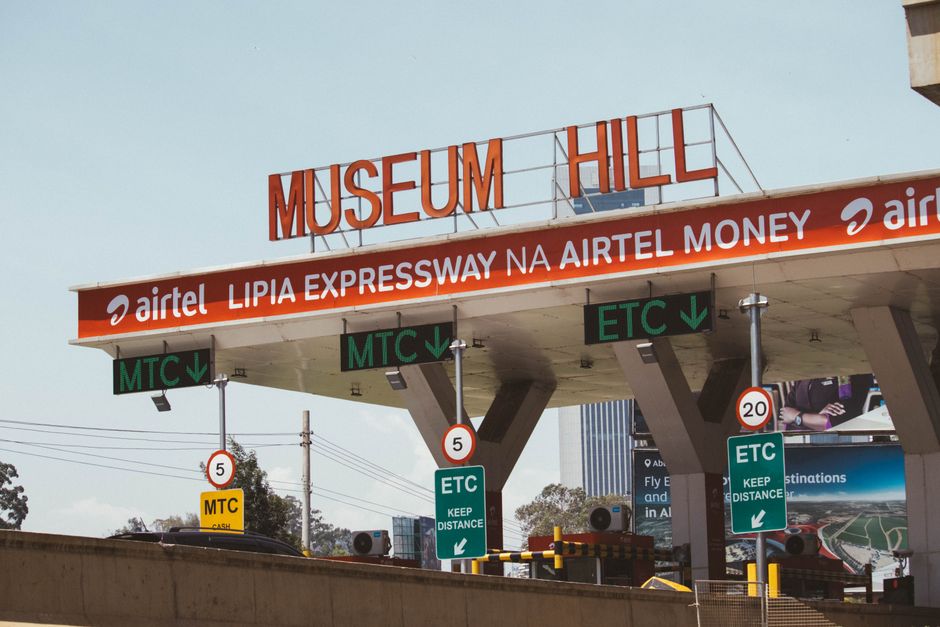
Nairobi surprises visitors expecting a one-dimensional African capital. Walk through the city's neighbourhoods and you'll discover a palimpsest of histories: colonial grandeur, post-independence ambition, and contemporary creative energy colliding on the same streets. Understanding this layering is essential to grasping what makes East Africa's largest metropolis tick.
Start in the city centre, where Karen Blixen Museum on Mbagathi Way offers intimate insight into colonial settler life through the lens of the Danish author who chronicled Kenya's transformation. Nearby, the National Museum on Museum Hill houses Kenya's most comprehensive collection of cultural artefacts, from pre-colonial tools to contemporary photography—entry costs 800 shillings for adults. But don't linger only in institutions. Walk down Government Road and observe the architectural vocabulary: Victorian facades mixed with art deco flourishes from the 1920s-30s, when Nairobi transitioned from a railway depot to a proper colonial capital.
The real heartbeat emerges in neighbourhoods like Eastleigh and Pangani, where migrant communities have established distinct cultural quarters. Eastleigh's Somali-Kenyan enclave thrums with restaurants, textiles, and spice merchants that tell stories of cross-border trade networks spanning centuries. Further west, Kibera's informal settlements—home to nearly a million residents—represent contemporary Nairobi's demographic reality and creative resilience; several community-led cultural organisations offer ethical tours exploring music, visual art, and oral histories.
For market culture, Maasai Market on Saturdays (Wilson Airport area) offers more authenticity than tourist-focused vendors. Expect handcrafted beadwork, wood carvings, and textiles from surrounding pastoralist communities—haggling is expected, and pieces typically cost between 500-5,000 shillings. The market embodies the city's ongoing relationship with rural hinterlands.
Don't miss the Nairobi National Museum's recently renovated contemporary wing, which showcases Kenyan artists engaging with questions of identity, displacement, and belonging—urgently relevant as Nairobi absorbs unprecedented migration flows, both regional and international.
Visit during the Nairobi International Film Festival (typically August-September) or Safaricom Jazz Festival (September) to experience how Nairobi's cultural institutions channel history through contemporary expression. These events draw artists and audiences from across Africa, revealing how the city functions as a continental cultural nexus.
Most importantly: venture beyond the CBD's business district. Nairobi's identity isn't performed for tourists in designated zones—it's lived daily across Westlands, Kibera, Nakasero, and Eastleigh, where histories collide and local communities negotiate what it means to be Nairobian in 2026.
This article was compiled by AI from the sources linked above and screened before publishing. See our editorial standards.