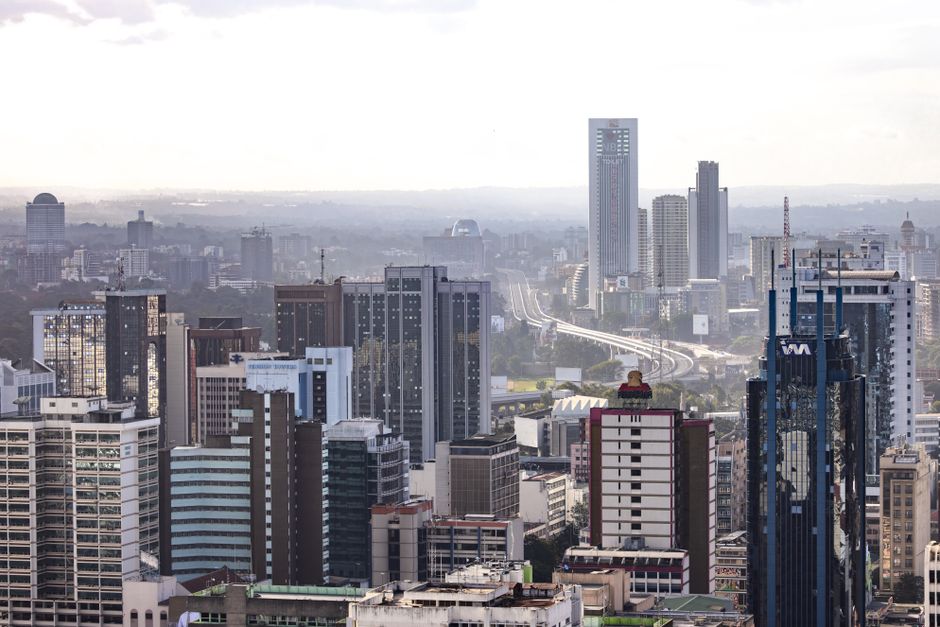
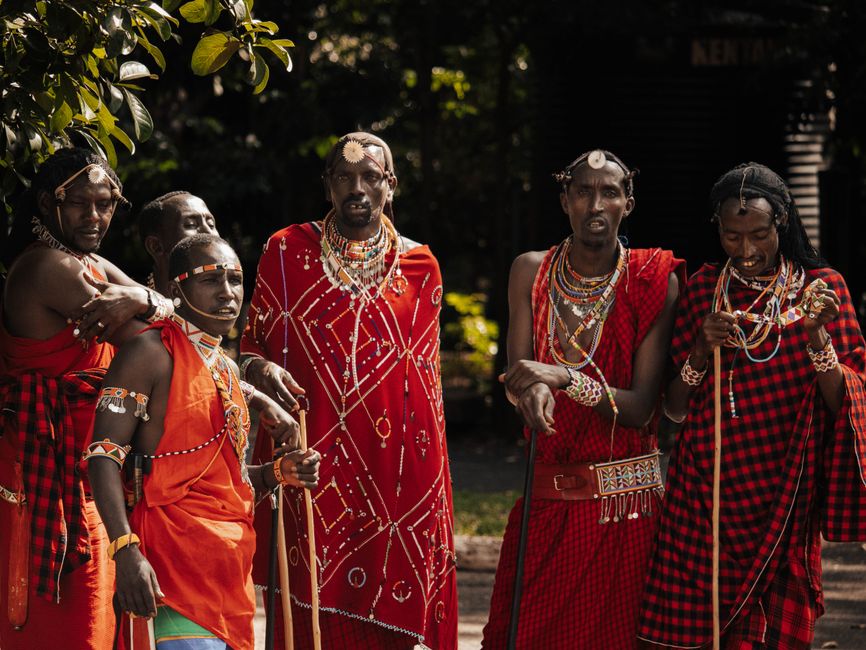
Three years ago, the live music scene in Nairobi felt fractured. Venues were concentrated in predictable pockets—Westlands clubs catering to tourists, industrial spaces in Eastleigh hosting occasional shows—while neighbourhoods like Kiambio, Huruma and even parts of Nairobi West remained cultural deserts. Today, that fragmentation has begun to shift, driven by a determined community of independent promoters, artists and venue operators who refuse to wait for corporate investment.
The catalyst has been deliberately grassroots. Collectives like the Nairobi Independent Venues Alliance (NIVA) have grown from informal networks of musicians and sound engineers into an organised movement. Their recent survey tracked over 40 active live music spaces citywide, up from roughly a dozen five years ago. Many operate on slim margins—ticket prices averaging between 500 and 1,500 shillings—but they've become anchors for their communities.
In Kiambio, a converted warehouse on Waiyaki Way now hosts weekly live sessions featuring local jazz ensembles and emerging hip-hop artists. Huruma's own grassroots venue collective has transformed three underutilised spaces into performance hubs, drawing audiences from across the city and creating what one promoter calls "cross-neighbourhood cultural movement." The impact extends beyond tickets sold: local youth apprenticeships in sound engineering and production management have emerged organically.
What distinguishes this movement from previous entertainment cycles is its deliberate focus on accessibility and community ownership. Rather than extractive models where profits flow elsewhere, many venues operate cooperative structures or reinvest earnings directly into artist development. The Eastleigh Creatives Collective, for instance, has established a mentorship programme pairing established producers with emerging talent, already placing fifteen young sound engineers into paid roles since 2024.
Social media amplification has proved crucial. Grassroots promoters use hyper-local Instagram and TikTok strategies, building loyal audiences in specific neighbourhoods rather than competing for citywide attention. A Kibera-based afrobeats showcase that began drawing 200 people now regularly hosts 800, creating spillover economic activity in surrounding restaurants and matatu stages.
Yet challenges remain. Inconsistent venue licensing, power supply volatility in some neighbourhoods, and the absence of dedicated cultural funding from county authorities create precarious conditions. Despite these obstacles, the movement's resilience suggests something fundamental has shifted in how Nairobi thinks about live entertainment—not as a luxury concentrated in central business districts, but as a neighbourhood-rooted cultural right.
For a city grappling with rapid urbanisation and economic inequality, these DIY stages and basement bars have become something unexpected: proof that culture can be built from the ground up, by the communities themselves.
This article was compiled by AI and screened before publishing. See our editorial standards.