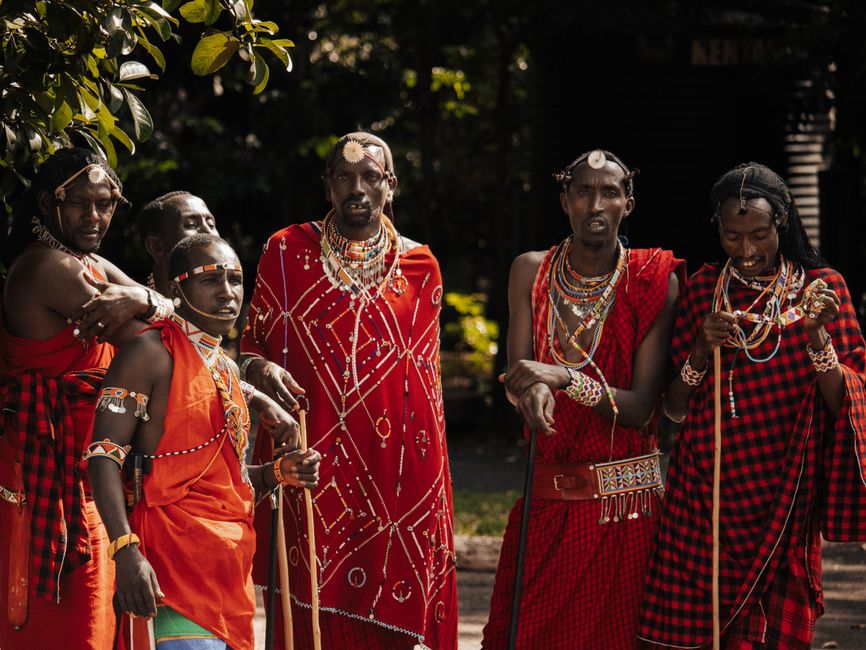
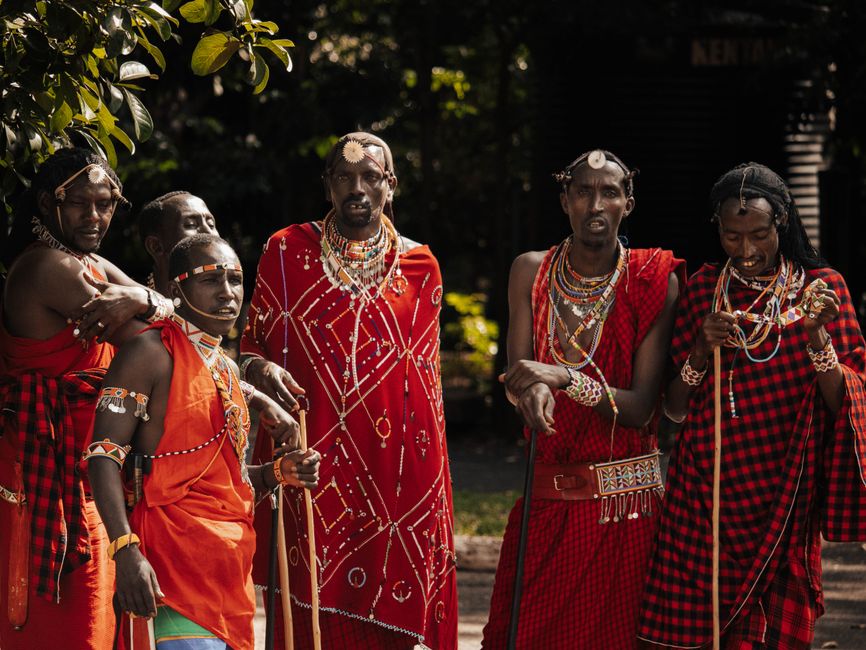
Walk down Ngong Road on any given weekend and you'll encounter the physical manifestation of Nairobi's cultural revolution. What began five years ago as scattered studio spaces and pop-up exhibitions has crystallized into a deliberate, community-driven movement that is fundamentally redefining how the city engages with visual art, performance, and cultural expression.
The shift is most visible in formerly overlooked neighbourhoods. In Waithaka and Kasarani, artist collectives have converted abandoned warehouses into exhibition spaces that charge minimal or no entry fees, deliberately positioning themselves outside the high-end gallery ecosystem that once dominated areas like Westlands and Parklands. Organizations like the Nairobi Contemporary Art Collective report a 340% increase in footfall over three years, with an average monthly attendance now exceeding 2,500 visitors—figures that rival some of the city's more established institutions.
"This isn't about replacing traditional galleries," explains the curatorial philosophy emerging from spaces like the Banana Hill Studios collective. "It's about building parallel ecosystems where art serves the community rather than serving capital." The movement has attracted younger practitioners: approximately 67% of artists exhibiting in these community spaces are under 35, according to a recent survey by the Nairobi Arts Research Institute.
The economics are instructive. While commercial galleries in Westlands charge KES 2,000-5,000 for artist studio visits, community-run spaces typically operate on donation models or charge KES 300-500, making contemporary art accessible to Nairobi's broader middle and working classes. This democratization has sparked conversations about representation—with 58% of exhibiting artists now identifying as women, compared to 34% in gallery representation a decade ago.
What drives this movement, fundamentally, is ideological. Artists and curators organizing exhibitions in Parklands, Eastleigh, and along the Mathare Valley are explicitly positioning art as a tool for social dialogue rather than investment commodity. Recent exhibitions have tackled subjects from climate migration to mental health to gender-based violence—topics largely absent from Nairobi's luxury gallery circuit.
The institutional art world is taking notice. The National Museum of Kenya and the Nairobi Design Museum have begun collaborative programming with community collectives, suggesting a possible convergence rather than conflict. Yet the movement's essential character—decentralized, participatory, unapologetically political—shows no signs of being co-opted into establishment frameworks.
For Nairobi, this represents a cultural inflection point. The city is no longer waiting for institutions to determine what art matters. Instead, it's building its own answer.
This article was compiled by AI and screened before publishing. See our editorial standards.