Emerging Talent Voices Shape Nairobi's Cultural Agenda This Season
Fresh creators are reshaping what audiences expect from galleries, theatres and music venues across the city.
Fresh creators are reshaping what audiences expect from galleries, theatres and music venues across the city.

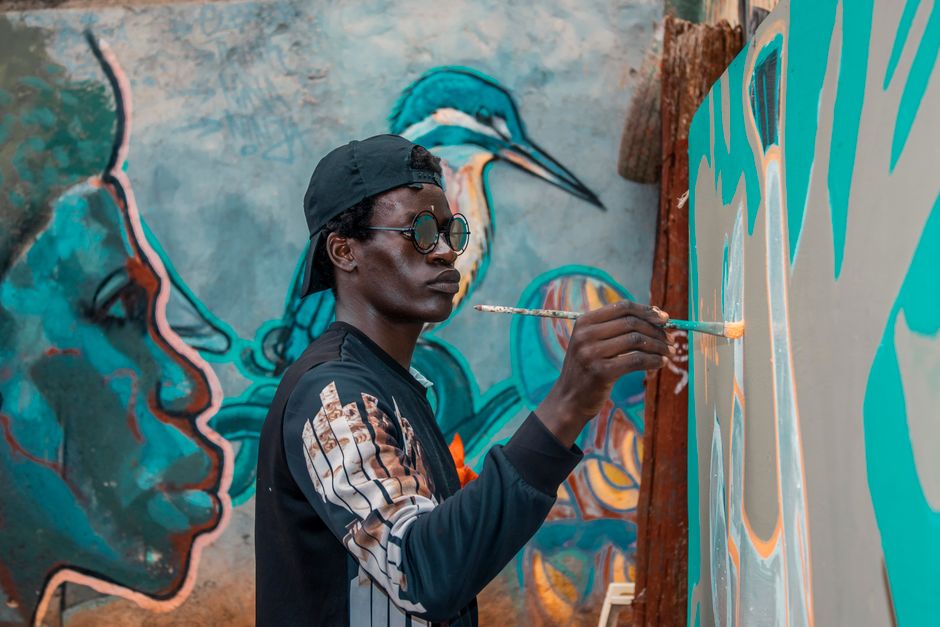
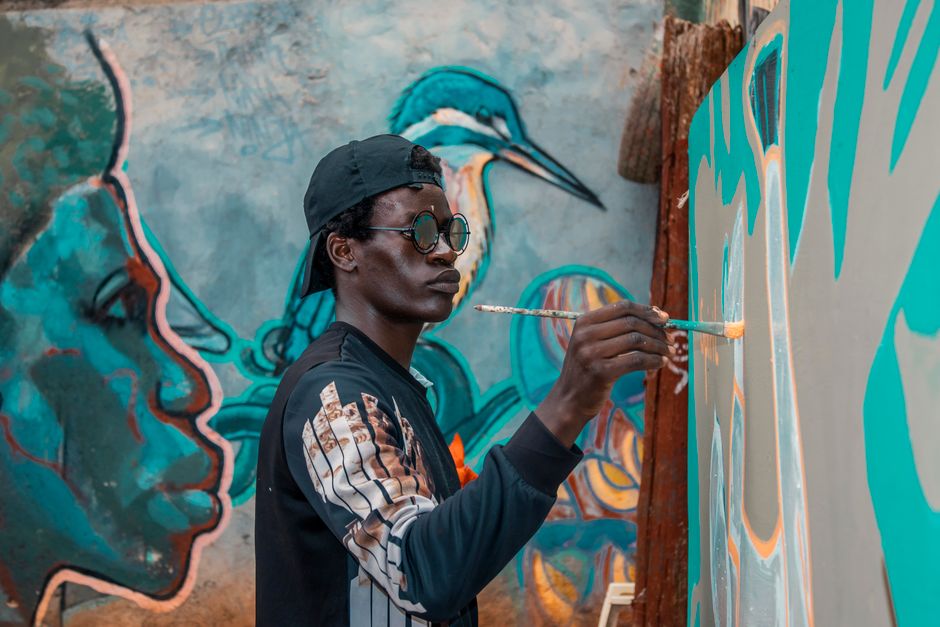
The Kenyan creative sector is cycling through its youngest wave of gatekeepers. This Friday evening, the Nairobi Contemporary Art Institute on Westlands Road hosts an open studio session featuring five artists under 30, each with work selected by peers rather than established curators. It's the kind of programming that signals a structural shift: emerging voices aren't waiting for permission anymore.
Why now? Nairobi's culture industry faces genuine pressure to evolve. Venues that operated on tourism dollars for the past decade are recalibrating toward local audiences willing to pay for experimental work. Simultaneously, art schools like Strathmore University and the Kenya National Theatre's training programmes are releasing graduates who think differently about what Nairobi's cultural identity should reflect. The result: a calendar packed with programming by makers in their twenties and thirties who see the city not as a backdrop but as their actual laboratory.
Start at The Hornbill Pub in Kilimani, where an experimental music collective called Dust Patterns holds a live listening session every second Thursday. The venue operates on a sliding scale entrance (500 to 1,500 shillings) and has become the de facto rehearsal space for musicians exploring Kenyan minimal music and field recordings. One floor above a grocery, it's the kind of unglamorous venue that punches above its weight precisely because nobody expects anything there.
Then there's the Karen Blixen Museum's Artist Residency Programme, now curated by artists under 35 who rejected the colonial-history framework that dominated curatorial decisions for years. The programme awards four Kenyan creatives 50,000 shillings monthly stipends for three-month residencies. This year's cohort includes a documentary filmmaker, a textile designer, a sound artist and a performance choreographer—a lineup that would have been unimaginable five years ago when the museum defaulted to painting and sculpture.
Nairobi's gallery scene added 14 new institutional spaces between 2023 and 2025, according to the latest Kenya Arts and Culture Alliance survey. More telling: 68 percent of those spaces are now led by curators or directors under 40, up from 31 percent in 2020. Gallery Watatu in Parklands and Kuona Trust in Eastleigh both shifted directorship to younger teams within the past 18 months, and both report increased ticket sales for experimental work. Kuona Trust's May performance series, programmed entirely by emerging choreographers, sold 340 tickets across four nights—respectable numbers for avant-garde work in a city where mainstream theatre still dominates box-office conversation.
Ticket prices matter. Where established venues charge 2,000 to 3,500 shillings for theatre, newer programming by young curators typically runs 800 to 1,200 shillings. It's a deliberate move to kill the gatekeeping that made Nairobi's arts scene feel like an exclusive circle. Word-of-mouth discovery through Instagram and WhatsApp groups has replaced advance ticket sales as the dominant distribution method, meaning shows sell out hours before curtain.
If you're hunting for something unexpected today, skip the conventional listings. Check the public events pages of Strathmore's Fine Art Department and the Nairobi Design Association on their respective sites. Follow individual artists on Instagram rather than waiting for press releases. The emerging wave doesn't announce itself through traditional channels anymore—it builds community through small, intentional invitations and word-of-mouth momentum. That's precisely how you know something real is shifting.
How does this story make you feel?
Spread the word
About this article
Published by The Daily Nairobi
Daily brief
Free, in your inbox before 7am. Weekdays.
More in culture