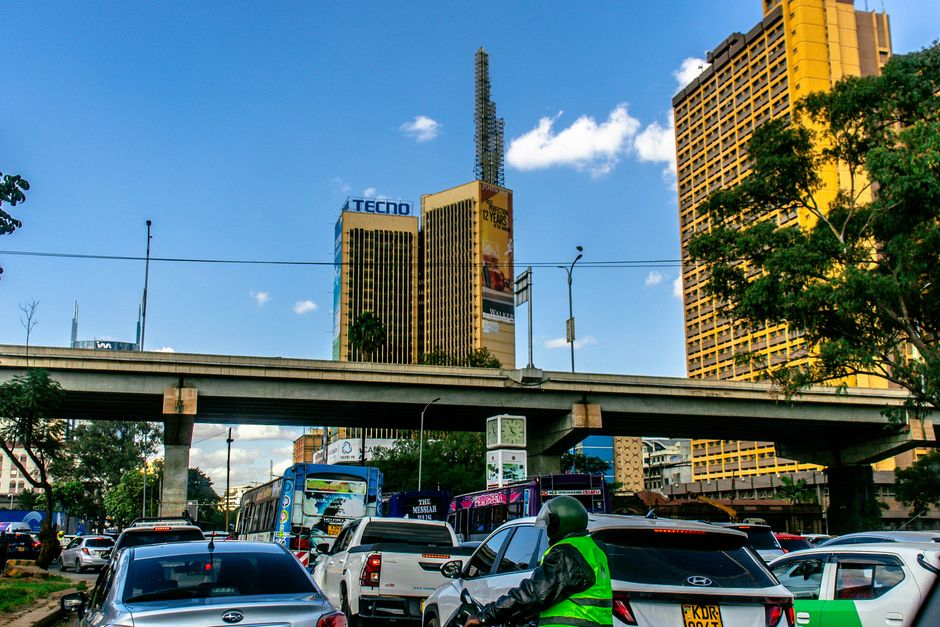
Nairobi's Cultural Scene Has Transformed—Here's Where to Experience It Today
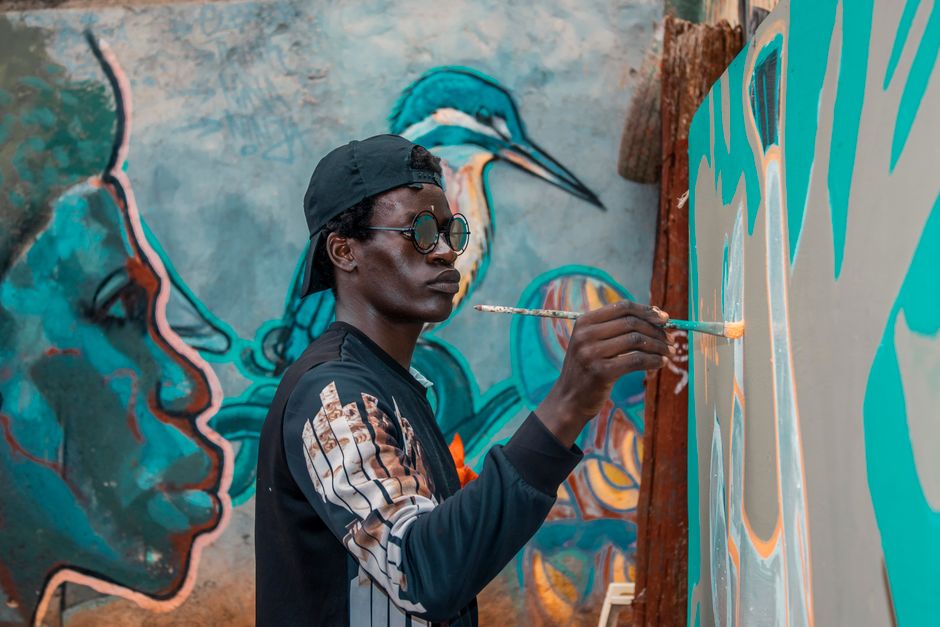
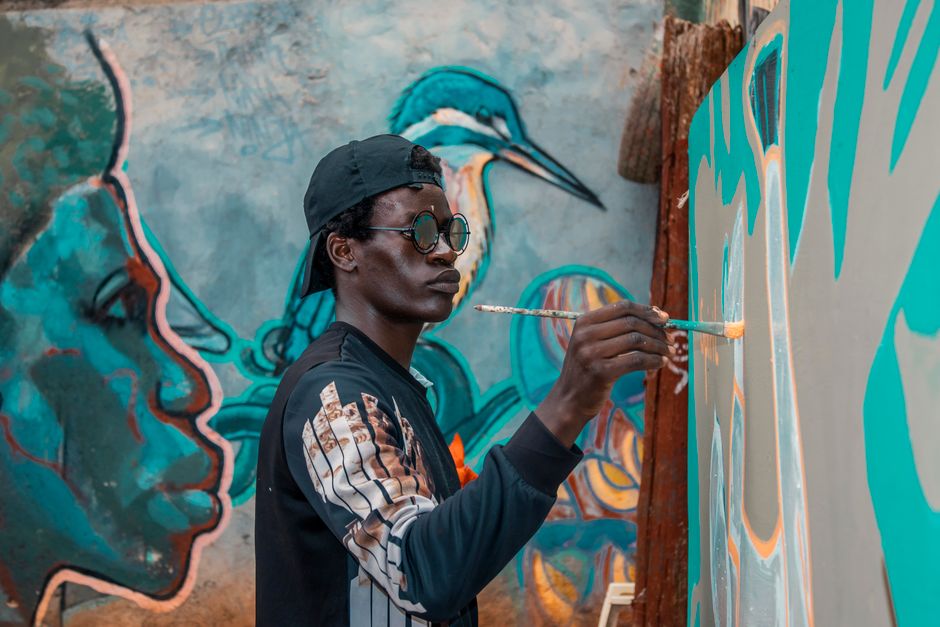
From Kibera's street art renaissance to Karen Blixen Museum's literary legacy, the city's creative spaces tell the story of how Nairobi became a continental cultural hub.
From Kibera's street art renaissance to Karen Blixen Museum's literary legacy, the city's creative spaces tell the story of how Nairobi became a continental cultural hub.
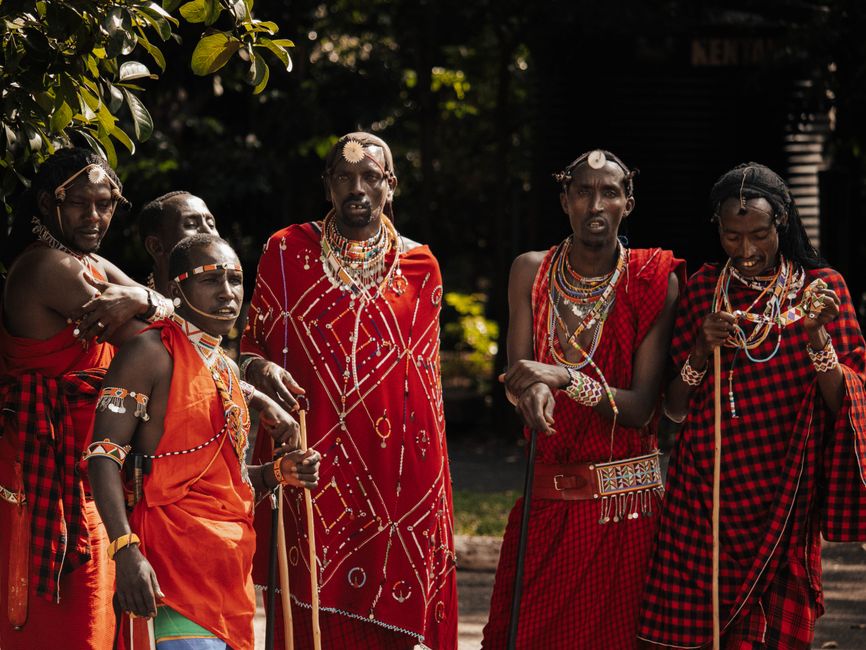
Nairobi's cultural calendar looks nothing like it did a decade ago. Walk through the city's neighbourhoods today and you'll find galleries, performance spaces, and artist collectives that barely existed in 2016. The shift reflects something deeper: Kenya's capital has stopped treating arts and culture as a weekend luxury and started treating them as essential to how the city defines itself.
This transformation matters now because Nairobi competes globally for creative talent and tourist dollars. Cities like Lagos and Johannesburg have built international reputations on their cultural scenes. Nairobi is catching up, fast. What was once dismissed as a business hub with crime problems has become a place where musicians, visual artists, and writers actually want to be. That shift didn't happen by accident.
The evolution is visible if you know where to look. The Kibera Public Space Project, launched in 2013 in one of the city's largest informal settlements, began with murals and community art sessions. Today it's a flagship example of how public space reclamation works. Just south, in Kajiado, the GoDown Arts Centre has operated since 1997 as a nonprofit dedicated to contemporary visual and performing arts. What started as a single warehouse near Industrial Area has expanded into multiple studios and performance spaces, hosting everything from experimental theatre to hip-hop exhibitions.
Then there's the establishment side. The National Museum of Kenya on Museum Hill has diversified beyond its traditional natural history focus. Its contemporary galleries and rotating exhibitions now feature work by living Kenyan artists. The Karen Blixen Museum, in the leafy suburb where the author of "Out of Africa" lived, remains one of the city's most-visited cultural institutions. But it's no longer an isolated literary landmark. It connects to a broader ecosystem of bookshops, literary festivals, and independent publishers that have flourished across Nairobi since 2015.
The Nairobi National Theatre, on Harry Thuku Road, reopened after major renovations in 2019. It wasn't just a cosmetic fix. The theatre added air-conditioned spaces, improved acoustics, and a more aggressive programming schedule. Ticket prices range from 500 to 2,500 shillings for major productions. This year, the venue has hosted performances averaging 70% capacity on weekends—a marked improvement from the 40% average five years ago.
The Kenya National Bureau of Statistics doesn't separately track "cultural venue attendance," but proxy measures tell the story. Hotel occupancy rates in Nairobi have remained stable at 55-65% across 2024 and 2025, with cultural tourism cited as a growing driver. Google Trends data shows a 340% increase in searches for "Nairobi art galleries" and "live music venues Nairobi" since 2020. That's not viral. That's sustained interest from people planning trips.
Independent galleries have emerged across Westlands, Kilimani, and Lang'ata. Gallery Watatu, which opened in 1999 on Muliro Road, remains a benchmark institution. But newer spaces like Kuona Trust in Nyeri Road have attracted international collectors. Entry to most galleries costs nothing. Studio visits and artist talks typically run 500 to 1,500 shillings.
What you can actually do in Nairobi today reflects 15 years of accumulated investment and infrastructure. Walk through Kibera and see murals depicting everything from climate change to Kenyan pop culture. Visit the National Museum or Karen Blixen's house for historical context. Catch a show at the National Theatre or one of the smaller venues like Brainwave Studio in Parklands. Grab coffee at one of the independent bookshops that have opened along Kenyatta Avenue and ring roads, many of which host readings and artist events.
The city's creative scene is no longer something you stumble into. It's something you plan for. That alone marks the distance Nairobi has travelled.
How does this story make you feel?
Spread the word
About this article
Published by The Daily Nairobi
Daily brief
Free, in your inbox before 7am. Weekdays.
More in culture