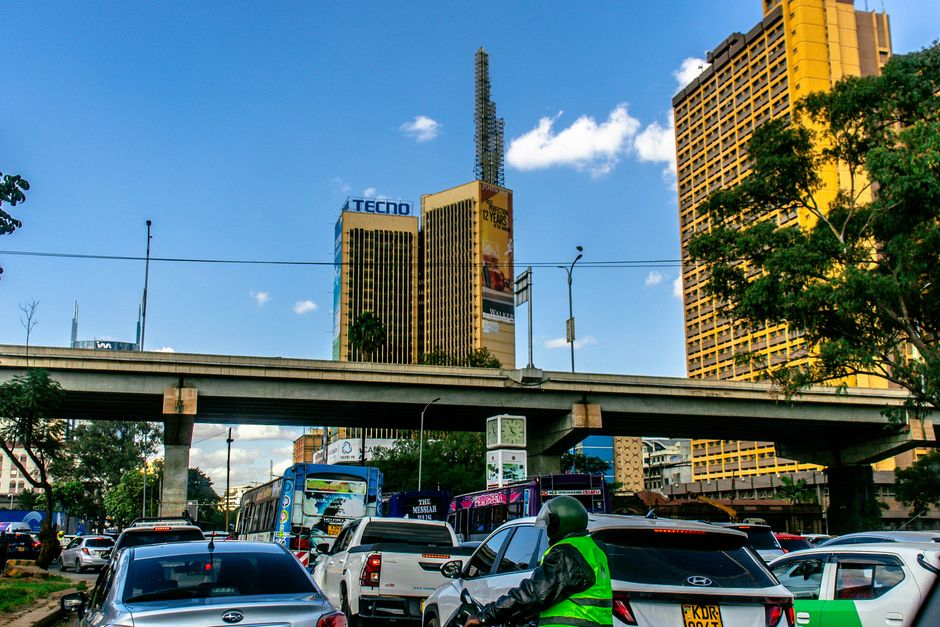
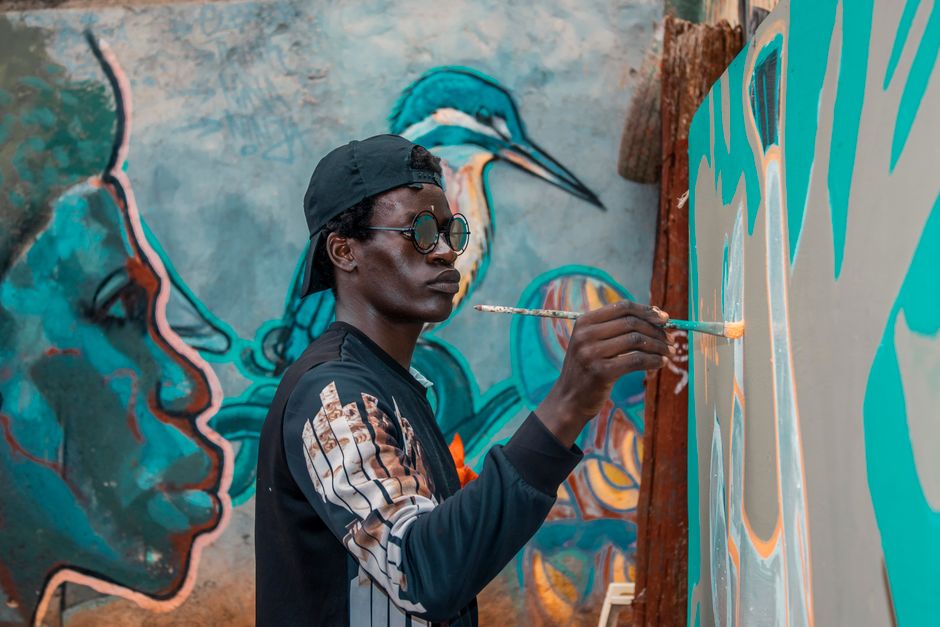
Nairobi's Weekend Creative Surge Signals Shift in How the City Sees Itself
From Kibera's music studios to Westlands gallery openings, this weekend's events reveal a city redefining its cultural identity on its own terms.
From Kibera's music studios to Westlands gallery openings, this weekend's events reveal a city redefining its cultural identity on its own terms.
Nairobi's creative calendar has never been busier. This weekend alone—July 5th and 6th—the city hosts everything from a three-day hip-hop festival at the Safari Park Hotel to experimental theatre at the Nairobi National Museum's new performance space, alongside a major photography exhibition opening in Parklands. The sheer volume signals something deeper: a deliberate recalibration of how Nairobi presents itself to the world and, crucially, to itself.
The timing matters. Across Africa's major cultural hubs, there's a palpable shift away from waiting for external validation. Lagos has its Eko Atlantic festivals, Accra its burgeoning film district. Nairobi, for years positioned primarily as a business and NGO capital, is finally staking its claim as a creative centre—not as an afterthought, but as essential infrastructure. This weekend's schedule reflects months of planning by homegrown curators, musicians, and artists who have stopped asking for permission and started building the city's cultural apparatus themselves.
The Safari Park Hotel gig isn't accidental venue choice. Tucked in Nairobi's western suburbs, the venue has become the unlikely hub for hip-hop and electronic music after Carnivore Stadium's pricing pushed out mid-tier independent acts. Meanwhile, on the opposite end of the city, Westlands has seen three new gallery spaces open in the past eighteen months. The Nairobi Contemporary Art Centre on Limuru Road—which opened last September with backing from private collectors and the Kenya Arts and Culture Alliance—has already hosted thirteen exhibitions. This weekend they're showing work from emerging painters focused on urban displacement and real estate speculation. It's direct, political, and distinctly Nairobian.
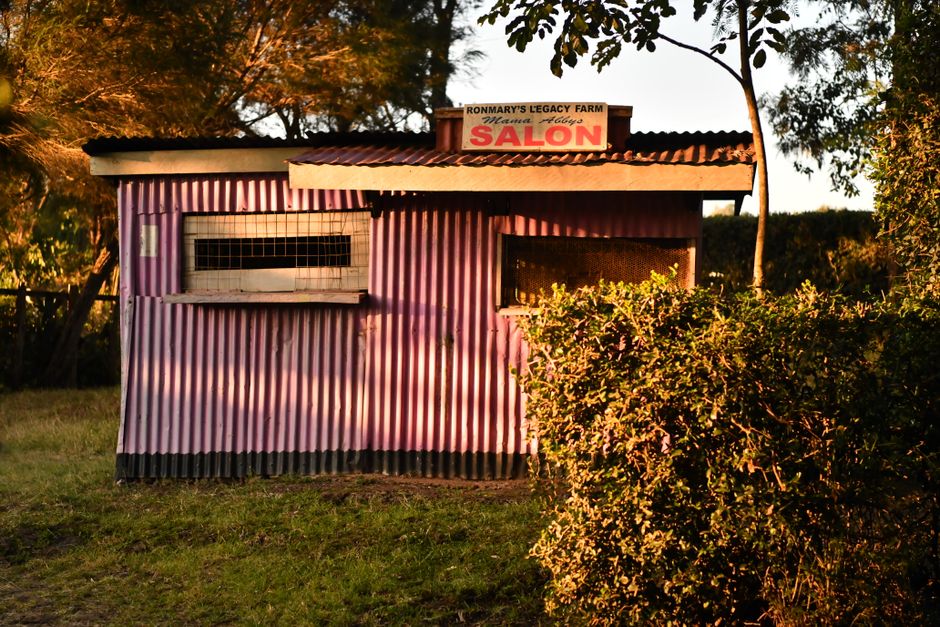
Kibera's role in all this deserves particular attention. The neighbourhood, long stereotyped in international media as a poverty narrative, has quietly become the epicentre of Nairobi's independent music production. Studios operating from converted shipping containers on Makina Road produce tracks that chart across East Africa. The Kibera Book Club, launched in 2023, has expanded its cultural programming to include live music sessions every Friday. This weekend, three separate live events are happening within a one-kilometre radius—none of them promoted on major media platforms, all of them packed with locals and musicians from across the city.
Cultural attendance in Nairobi has shifted measurably. According to the Kenya Cultural Centre's quarterly report released in May, weekend events across the city attracted 47,000 attendees in the first quarter of 2026, up from 31,000 in the same period last year. Ticket prices for independent theatre productions average 800 shillings, making them accessible beyond Nairobi's thin affluent layer. The National Museum's theatre renovation cost 2.3 billion shillings and took sixteen months; its opening programme now includes weekly contemporary dance performances alongside traditional exhibitions.
Crucially, artists are staying. A 2025 survey by the Kenya Film Commission found that 68 percent of film and visual artists based in Nairobi cited improved exhibition opportunities as a reason for remaining in the city rather than relocating to London or Dubai. Venues, funding streams, and peer networks are finally functional enough to sustain creative careers locally.
If you're planning to explore this weekend, start early. The Safari Park festival runs Saturday evening; arrive before 6 p.m. to avoid gridlock on the Limuru Road approach. Gallery openings in Westlands typically run 5 p.m. to 9 p.m. on Saturday. Kibera's programming is word-of-mouth—check community notice boards on Makina Road or ask at the Book Club directly. Bring cash; most independent venues don't accept mobile payment yet, though that's changing. This isn't Nairobi's culture scene becoming mature. It's the city finally insisting on defining maturity for itself.
How does this story make you feel?
Spread the word
About this article
Published by The Daily Nairobi
Daily brief
Free, in your inbox before 7am. Weekdays.
More in culture