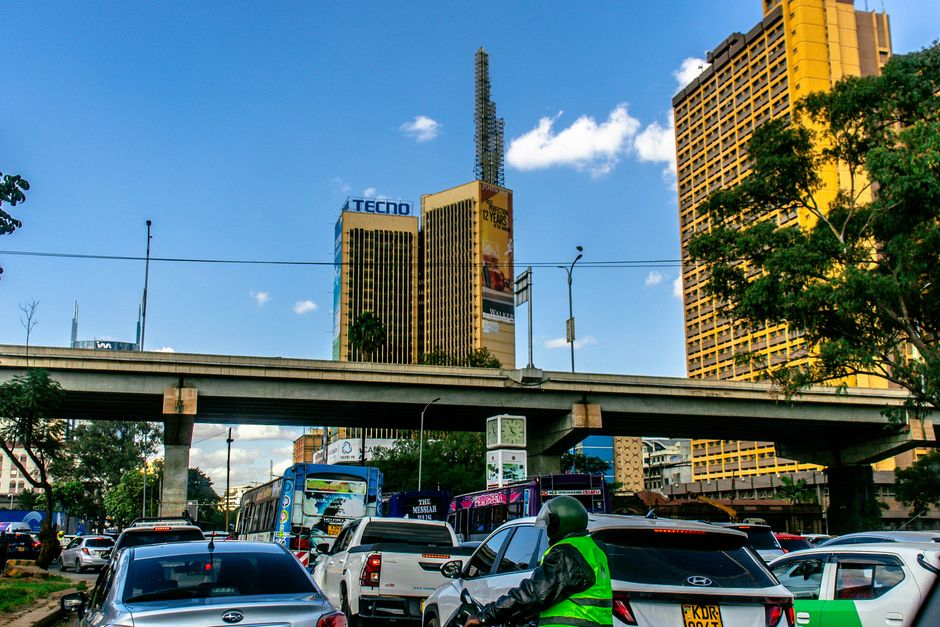
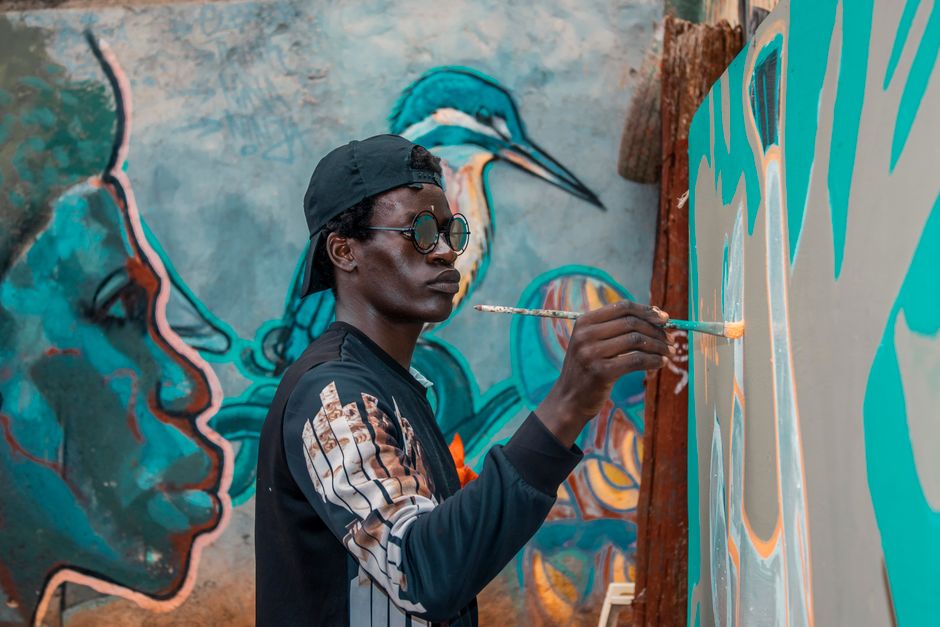
Nairobi's cultural calendar this weekend reflects a radical shift in how the city's creative community operates. Ten years ago, finding live contemporary art required insider knowledge and a network of friends texting venue locations. Today, galleries in Westlands and Nairobi West are hosting opening nights with professional marketing campaigns, ticketed entry fees, and Instagram previews weeks in advance.
The change matters because it signals whether Nairobi's creative economy can sustain itself through formal structures or whether that very formalization is pricing out the artists and audiences who built the scene. Gallery Infinity in Westlands hosts its monthly salon this Saturday, while the National Museum's contemporary wing opens a photography exhibition curated from East African photographers. These aren't underground events anymore—they're institutional anchors with operating budgets.
Where the Scene Took Root
The transformation started in spaces like GoDown Arts Centre in Nairobi West, which opened in 2006 as a 3,000-square-meter industrial warehouse converted into artist studios and performance venues. For years, it operated on a shoestring budget, hosting experimental theater productions and electronic music nights that drew maybe 50 people. The venue charged 200 to 500 shillings for entry—deliberately low to keep events accessible. That model worked when there was nowhere else to go, when Nairobi's cultural infrastructure was essentially abandoned colonial buildings and the occasional hotel ballroom.
Conditions shifted around 2018 when international investment in Nairobi's startup scene spilled over into creative industries. Young professionals with disposable income moved into neighborhoods like Kilimani and Upper Hill. They had money to spend on gallery openings and live performance tickets. By 2022, ticket prices for evening events at established venues had climbed to 1,500 shillings. GoDown itself began hosting corporate events to cover rising rent.
Karen Blixen Museum, housed in the author's former home on Mbagathi Way, exemplifies how cultural institutions adapted. The museum added evening literary events and jazz performances to its weekend programming starting in 2020. Now the events book out. The venue has become a bellwether for Nairobi's cultural appetite—when they added a third Friday evening performance slot in 2024, organizers expected half-capacity crowds. The first three months sold out entirely.
The Numbers Behind the Growth
Data from the Nairobi Arts Bureau shows attendance at commercial cultural events jumped 340 percent between 2015 and 2024. The number of registered galleries operating in Nairobi proper grew from 12 to 47 in the same period. That expansion carries complications. Rent in established art districts like River Road and Parklands has become prohibitive for artist collectives. A studio space that cost 15,000 shillings monthly in 2015 now runs 45,000 shillings or more. Emerging artists increasingly work from residential areas or share cramped quarters on the periphery.
This weekend's programming reflects both the growth and the fracture. Polka Dot Gallery in Kilimani hosts a ceramics sale featuring work from established practitioners with established collectors. Simultaneously, the Alliance Française on Monrovia Street runs a free screening and discussion program focused on young filmmakers, explicitly designed as an alternative entry point for audiences priced out of commercial venues.
Sunday evening brings live music programming at multiple venues across the city—from paid performances at established clubs in Westlands to informal jam sessions in Eastleigh. The geography of opportunity has splintered. Money has concentrated in Nairobi's wealthy zones while grassroots cultural activity has shifted to unexpected pockets of the city where young artists can still afford studio rent.
If you're heading out this weekend, check venue websites directly rather than assuming social media posts are current. Prices and programming shift constantly as Nairobi's cultural economy continues to reorganize itself. The scene hasn't disappeared—it's just no longer hiding.