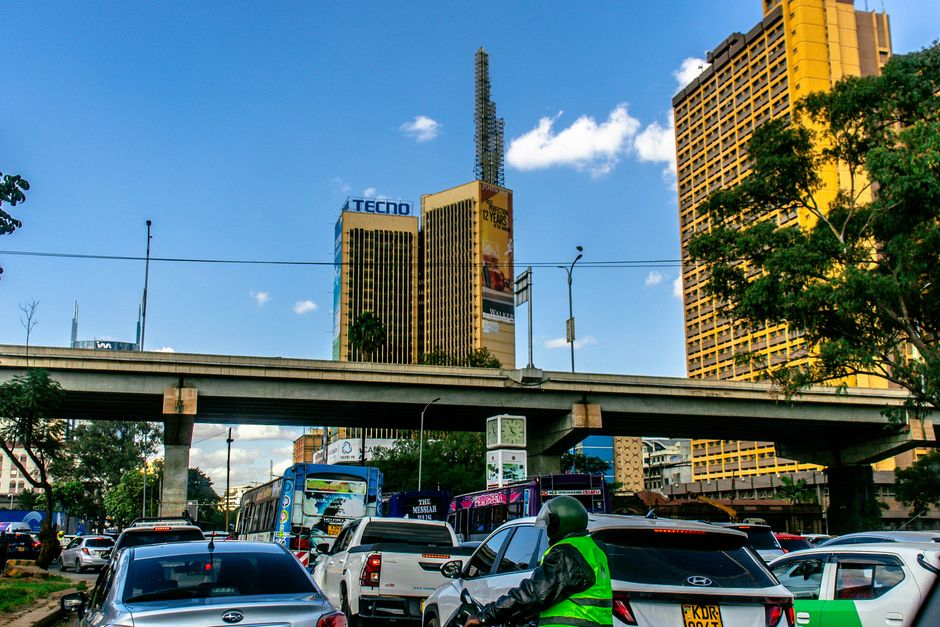
Friday in Nairobi means the city's galleries, museums, and markets shift into weekend mode, but the absence of the usual crush of tourists makes today unusually navigable. While European heatwaves dominate international headlines and attention turns toward geopolitical crises across the Middle East and Eastern Europe, Nairobi's cultural institutions are operating at a gentler pace—a rare window for visitors who want to experience the city without battling peak-season foot traffic.
The timing matters. Tourism patterns in Nairobi follow distinct cycles tied to school holidays and international travel seasons. July typically marks the start of the northern hemisphere summer break, but this year's confluence of global events—from Iranian state funerals to energy crises across Russia—has redirected many international travellers to regional destinations closer to home. Nairobi's tourism board noted in May that July bookings were running 18 percent below the five-year average, according to hospitality sector data compiled by the East African Hotel Keepers Society. For those already here, or planning a last-minute visit, the advantage is clear: shorter queues and more breathing room at major attractions.
The Gallery Circuit and Riverside Neighbourhood
Start in Riverside, where Nairobi's contemporary art scene clusters around Ngong Road and the surrounding streets. The Nairobi Gallery on Ngong Road operates until 6 p.m. today and showcases work from Kenyan and East African artists, with rotating exhibitions that typically run for eight weeks. Entry costs 500 shillings (roughly $3.80 USD). Just north, the Kuona Trust studio complex in the same neighbourhood doubles as both working artist space and exhibition venue; the collective charges no entry fee but encourages donations, and visitors can watch painters, sculptors, and installation artists at work in real time. This proximity—both institutions sit within a 15-minute walk—allows you to move between spaces without the logistical headache of Nairobi's traffic.
Food matters too. After the galleries, Riverside's restaurant row along Ngong Road offers everything from traditional Kenyan fare at places like Carnivore Restaurant (famous for its grilled game meats) to contemporary fusion spots. Lunch runs 800 to 2,500 shillings depending on what you order, and the neighbourhood's pedestrian-friendly layout means you can stroll between venues without needing a matatu or taxi for every stop.
The Karen Blixen Museum, located in the Westlands suburb about 10 kilometres from central Nairobi, is worth the 45-minute journey if you have the afternoon. The Swedish author's former residence—the setting for "Out of Africa"—operates as a museum daily from 9:30 a.m. to 5 p.m. Admission costs 1,000 shillings. The house itself, with its period furnishings and sprawling gardens, provides a tangible sense of Nairobi's colonial history that most guidebooks skim over.
Markets, Museums, and Practical Logistics
For something more spontaneous, the Maasai Market operates in different locations throughout the week; on Fridays, it sets up at the Muthurwa Complex near Gikomba in the downtown area. Vendors sell handcrafted jewellery, textiles, and sculptures at negotiable prices, and the negotiation itself is part of the experience. Friday tends to draw fewer tour groups than weekends, so you'll find more space to browse. Budget 1,000 to 3,000 shillings per item, though prices are flexible. The market runs from around 9 a.m. until late afternoon, when most vendors pack up.
The National Museum of Kenya, located on Museum Hill in Nairobi's Central Business District, houses extensive collections of palaeontology, ethnography, and natural history. Hours today run until 6 p.m. Entry is 800 shillings for adults. The museum's paleontology wing holds fossils and skeletal remains that document human evolution in the East African Rift Valley—material that feels particularly resonant given ongoing archaeological work in northern Kenya that continues to reshape our understanding of early human migration patterns.
Sunset timing is critical. Nairobi sits near the equator, which means the sun drops rapidly around 6:45 p.m. year-round. Plan to be in your accommodation or a well-lit restaurant by then. Uber operates reliably in central Nairobi and costs roughly 300 to 800 shillings for most in-city trips, depending on distance. Safest practice: book rides through the app rather than hailing cabs on the street, particularly after dark.
The real advantage of a quiet Friday in Nairobi is that you can actually linger. Talk to curators at galleries. Browse without being herded through exhibits. Sit longer over coffee in Westlands. That margin of space and time, rare in this city, is something to use deliberately before the next wave of international travellers arrives.