Nairobi's cultural calendar has shifted dramatically over the past 18 months. What once meant a handful of hotel ballrooms and the National Museum now encompasses dozens of independent galleries, rooftop performances, and street-level art installations driven by community organizers working outside traditional institutional structures.
The shift matters now because global instability—war in Europe, economic pressures across Africa, climate disasters reshaping migration patterns—has pushed Nairobi's creative class to look inward. Artists and curators who once chased international grants and festival invitations are now building sustainable, neighborhood-based cultural programming that doesn't depend on external funding or tourism booms. Venues like Circle Art Gallery in Westlands and Banana Hill Studios in Kilimani have become blueprints for this model, attracting audiences who want experiences rooted in Nairobi's actual fabric rather than imported templates.
The concrete evidence sits on the ground. On any given Friday night this month, you can walk from Kibra to Kilimani without paying hotel prices. The Nairobi Design Week initiative, now in its sixth year after launching from a WhatsApp group of 12 designers in 2020, coordinates programming across 47 separate venues—galleries, studios, street markets, and independent shops—rather than concentrating events in one corporate space. Entry fees typically run 300-800 shillings, compared to 2,000-5,000 shillings at traditional venue events. The movement has created documented employment for 234 freelance curators, installers, and coordinators according to data collected by the Nairobi Creative Economy Collective, a non-profit formed in 2023.
Where the Movement Lives
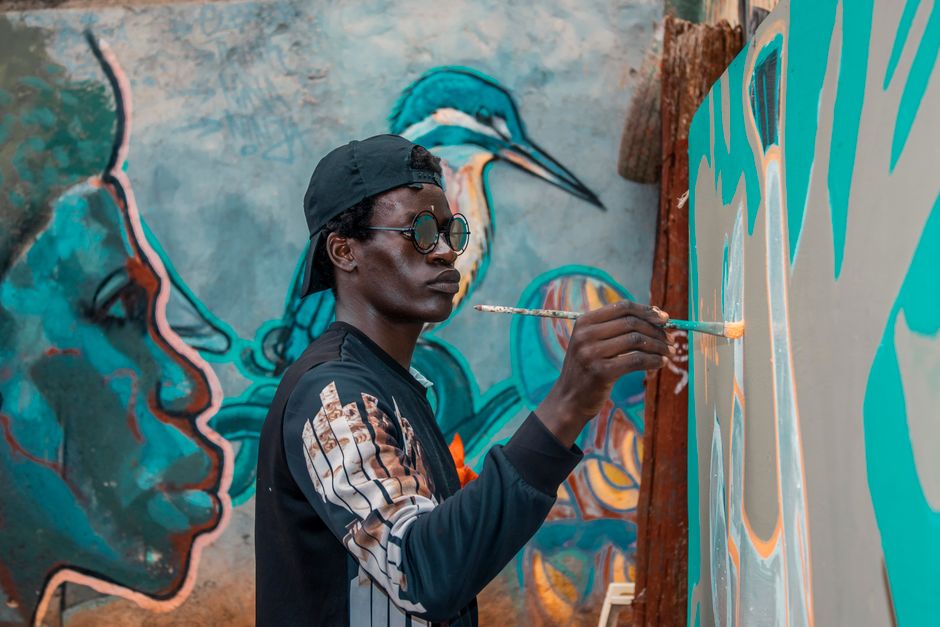
Start at Parklands, where the Nairobi Street Art Initiative has transformed blank walls along Limuru Road into rotating exhibition space managed by neighborhood residents rather than municipal authorities. The collective changes installations monthly, featuring local painters alongside international artists, and charges nothing to view. Just south, in Karura Forest's adjacent neighborhoods, community theater groups now host weekly performances in converted warehouse spaces—The Depot in Ngara hosts classical music and experimental theater most evenings, with 60-70 attendees per show, down from the 500-person crowds at National Theatre that prices out most residents.
The Karen neighborhood—traditionally quieter and more residential—has emerged as a secondary hub. Several retired professionals and younger artists have opened their homes for salon-style gatherings: poetry readings, jazz sessions, documentary screenings. These aren't advertised in mainstream media. You find them through Instagram accounts with 800-2,000 followers, word-of-mouth networks, or community notice boards. It's a deliberate move away from what curators call "tourism-facing culture" toward what serves actual Nairobi residents paying rent here.
The Numbers Behind the Movement
A survey conducted by the Nairobi City County Culture Department in early 2026 found that 64 percent of cultural events attended by Nairobi residents now happen in independent or community-run spaces, up from 31 percent in 2022. The same survey showed that 41 percent of event attendees traveled more than three kilometers to reach venues, suggesting people are willing to leave their immediate neighborhoods when programming reflects their interests rather than tourist expectations. Average attendance at independent gallery openings has climbed to 120 people per event, while traditional museum programming attracts 95 visitors daily—numbers that suggest appetite for more localized, participatory cultural experiences.
Today specifically, the Nairobi Design Week kicks off its Friday evening programming. Eastlands gets a neighborhood mapping project starting at 6 p.m. at Pumwani Market. Makadara hosts a photography exhibition documenting informal settlements' architectural innovations at a community hall on Jogoo Road. Westlands offers live music at three separate venues between 7 p.m. and midnight, all priced under 500 shillings entry.
If you're looking to understand what Nairobi actually wants culturally right now, skip the hotels. Get on a matatu heading toward Kibera, Eastlands, or Karura's margins. That's where the real programming is happening.