Three years ago, Nairobi's weekend cultural calendar belonged almost entirely to the hotels and shopping centres. Today, the momentum has shifted decisively toward independent spaces, artist collectives, and neighbourhood-organised events that have no corporate sponsor and answer to no board of directors.
This weekend alone, the shift is visible across multiple venues. The Nairobi Contemporary Art Institute on Riverside Drive hosts its fourth consecutive weekend-long installation series, while smaller operations like the Mathare Social Centre in Mathare and Kitengela Glass Studios south of the city centre have packed their July calendars with performances, exhibitions, and community workshops that draw crowds who might never have visited these spaces five years ago.
What's driving this change is not nostalgia or sentiment. It's a deliberate reconfiguration of how artists, curators, and ordinary residents think about access, ownership, and who gets to decide what culture matters in Nairobi. The mechanics of this shift tell a story about power distribution in the city itself.
Where the Movement Takes Shape
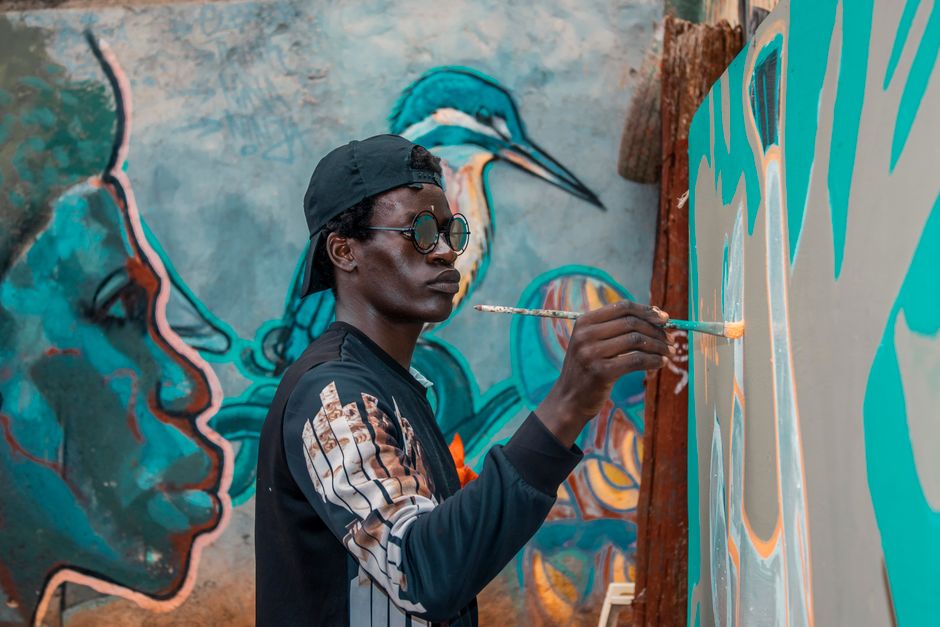
Start on the ground level. The Nairobi Artist Collective, a loosely affiliated network of painters, sculptors, and multimedia artists, has been organising pop-up exhibitions in converted warehouses along the Industrial Area for the past eighteen months. Their July schedule includes three separate weekend shows. Entry costs 300 shillings—less than the price of a coffee at most Westlands cafés—and the money goes directly to artists.
Across town in Kilimani, a group called the Eastside Creative Initiative runs a smaller operation: they transformed a corner of Kenyatta Avenue into an open-air gallery space where young photographers and digital artists display work without applying for permits through conventional channels. Their monthly gatherings now draw 400 to 600 people, according to the group's own attendance counts shared with The Daily Nairobi.
These aren't boutique operations catering to expatriates with disposable income. The Nairobi Contemporary Art Institute reported that 58 percent of its weekend visitors last month came from Nairobi postcodes east of the Nairobi River—areas like Eastleigh, Kasarani, and Embakasi, traditionally underrepresented in the city's cultural programming.
Numbers That Show Momentum
The data confirms what organisers see happening: cultural democratisation is accelerating. A count by the Nairobi Culture Fund, an NGO that tracks attendance patterns, found that independent venues hosted 47,000 visitors across 156 separate weekend events during the first half of 2026. That represents a 34 percent increase compared to the same period in 2024. Corporate-backed venues—the Safari Park Hotel, the Four Points in Westlands, shopping centre auditoriums—hosted 31,000 visitors across 89 events. The gap is narrowing, and the trajectory favours the grassroots players.
Ticket prices matter too. Independent events charge between 200 and 500 shillings. Hotel venues typically start at 1,500 shillings and climb from there. For a city where the median household income falls below 40,000 shillings monthly, that differential is decisive.
The collectives driving this weekend's programming aren't motivated by profit margins or board approval cycles. They move on cycles of weeks, sometimes days. A theatre group wants to stage a performance about housing activism in Nairobi? They book the Mathare Social Centre, print flyers, and promote through WhatsApp groups. The entire planning window might be ten days. Traditional venues require three months of advance booking and marketing approval.
This weekend, that speed translates into fresh programming. The Nairobi Artist Collective opens a photography retrospective on Friday evening in the Industrial Area. The Eastside Creative Initiative hosts a live music and documentary screening on Saturday afternoon in Kilimani. Kitengela Glass Studios runs glassmaking workshops on Sunday. None of these events appear in major media calendars until hours before they begin.
If you want to join the shift yourself: scout social media pages for the Nairobi Artist Collective, check the Eastside Creative Initiative's updates on Facebook, or visit Kitengela Glass Studios directly at their location south of the city. Bring cash—most independent venues don't process digital payments yet—and expect crowds. The movement is no longer fringe enough to feel like a secret.