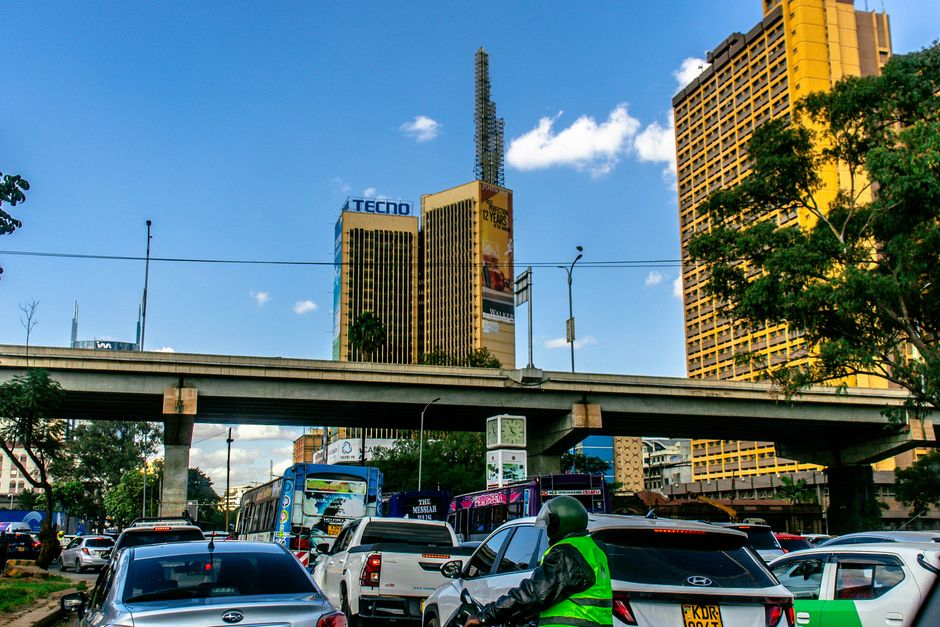
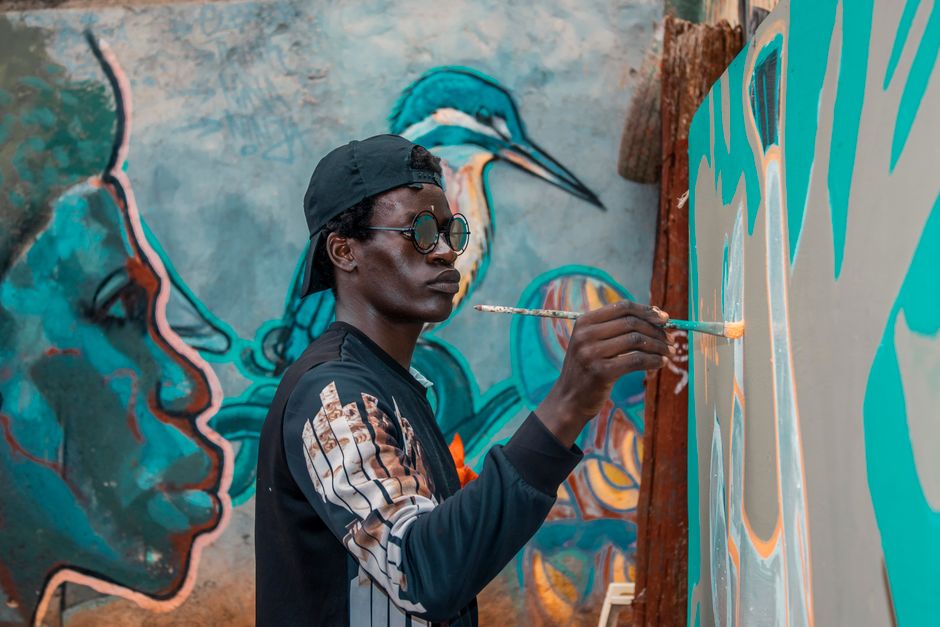
Nairobi's cultural calendar for today reads like a compressed history lesson. The National Museum on Museum Hill hosts its permanent collection of Kenyan art and photography. The Goethe-Institut on Loita Street runs evening film screenings. Karen Blixen Museum in the suburb that bears her name welcomes visitors to colonial-era gardens. Yet none of these anchor institutions existed in their current form when Nairobi's independent arts scene first emerged in the mid-1990s, driven by musicians, visual artists, and theatre groups working in converted warehouses and borrowed spaces across Kasarani and Eastleigh.
The shift matters now because Nairobi's cultural infrastructure—the galleries, performance venues, artist collectives, and commercial entertainment districts that define what visitors and residents can actually do on any given evening—was built almost entirely by artists who had no institutional backing and no government arts policy to lean on. Today's thriving Thursday-night gallery openings in Westlands, the reggae clubs along Tom Mboya Street, the live music venues dotted across the city: these didn't arrive fully formed. They were fought for.
The Scrappy Origins That Shaped Everything
Start with the numbers. In 2000, Nairobi had fewer than a dozen registered independent art galleries. By 2010, that number had crossed 40. By 2020, the Kenya Arts and Cultural Alliance counted over 180 active cultural organisations operating across the city, ranging from one-room artist studios in Kilimani to mid-sized performance spaces like the Nairobi Theatre Company's venue in the Westlands office district. The growth didn't come from top-down planning. It came from artists finding cheap rent.
The Nairobi Contemporary Art Institute, established in 2003 in a converted factory building in Kilimani after the founders couldn't find affordable studio space elsewhere, became the template. The Institute's model—low overhead, artist-managed, serving as both workspace and exhibition venue—has been replicated across dozens of smaller collectives. Go to Banana Hill today and you'll find galleries like the Circle Art Gallery and Kibera Public Space operating from refurbished homes and commercial buildings that cost a fraction of what downtown office space commands. These venues survive on modest visitor fees (typically 300-500 shillings for art exhibitions) and the unstoppable enthusiasm of their founders.
Music venues followed a similar trajectory. The Carnivore Restaurant's live music nights started informally in the 1990s with local musicians performing to restaurant patrons. The decision to formalize those performances—charging cover fees, booking artists weeks in advance, investing in sound equipment—became a proof of concept that copied across the city. Today, venues like Treble Clef and Jina La Mama in different parts of town operate with business models that trace directly back to those early experiments.
Where to See That History Unfold Today
Any serious walk through Nairobi's current cultural landscape reveals these historical layers. The Nairobi National Theatre on Harry Thuku Road opened in 1952 as a colonial-era entertainment venue; it's now managed by the Kenyan government but still operates as a platform for contemporary dance, theatre productions, and orchestral performances. Visit on a Friday and you'll likely find rehearsals happening simultaneously on multiple stages. Godown Arts Centre, occupying a converted shipping container storage facility in Industrial Area, opened in 2007 with a 200-seat capacity and has since expanded to become one of East Africa's most significant experimental theatre and performance spaces. Its programming includes everything from avant-garde theatre to hip-hop cyphers, each event a direct descendant of the DIY ethos that defined Nairobi's 1990s underground.
The National Museum's programming division, which shifted focus in 2015 toward contemporary Kenyan artists and away from purely historical displays, represents institutional embrace of what independent curators had been doing for years in smaller venues. The museum's current exhibition schedule includes work by artists whose careers developed entirely outside the government system.
If you're in Nairobi today, the choice of where to spend your evening—whether that's a 7 p.m. gallery opening in Westlands or a late-night music session in one of the clubs along Luthuli Avenue—reflects decisions made by artists and entrepreneurs who built something functional out of desperation and determination. That's the actual story worth understanding about what's available to do here.