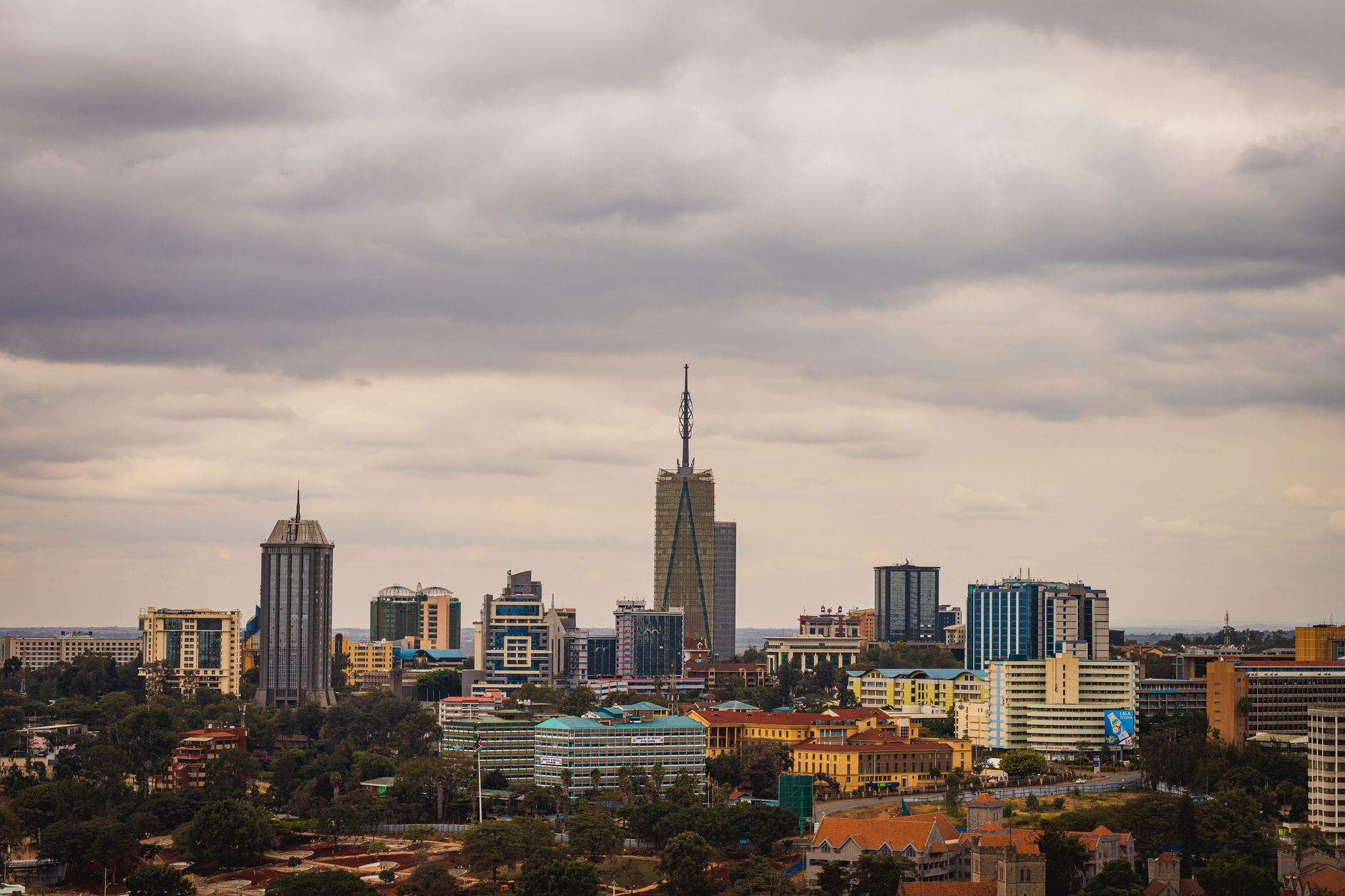
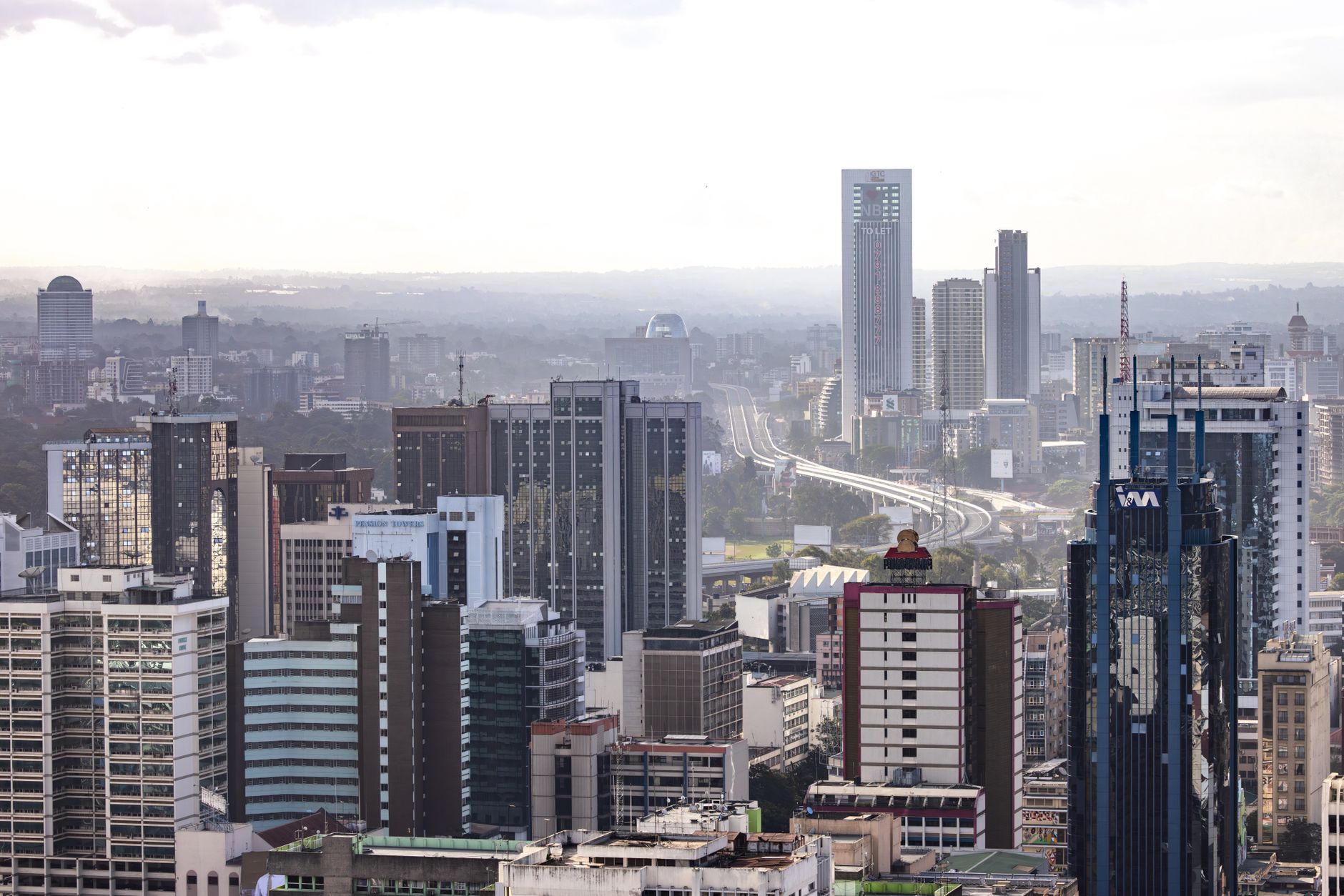
Nairobi Today: What First-Time Visitors Must Know Before Heading Out
Friday heat and weekend crowds mean timing matters—here's where to go and what to expect in the capital.
Friday heat and weekend crowds mean timing matters—here's where to go and what to expect in the capital.

The mercury hit 28 degrees by mid-morning in Nairobi today, and the city's main attractions are already drawing the Friday surge of locals and tourists looking to beat the weekend rush. For visitors arriving without a plan, the decision of where to spend the next few hours matters more than most assume: traffic from the airport to downtown can consume two hours, security protocols at major venues add 20 minutes to entry times, and some galleries close by 5 p.m.
Global climate records show East Africa is experiencing the tail end of an extended warm spell that has pushed temperatures across the region higher than seasonal norms. In Nairobi specifically, July typically sees milder conditions than June, but this week has defied that pattern. The heat affects everything from crowd patterns—people head indoors by noon—to which neighbourhoods feel walkable. For first-time visitors, understanding these rhythms separates a rushed itinerary from one that actually works.
Most arriving visitors start in Westlands, the commercial hub 15 kilometres northwest of Jomo Kenyatta International Airport. The Nairobi National Museum, located on Museum Hill off Uhuru Highway, opens at 8:30 a.m. and closes at 6 p.m. Entry costs 1,200 Kenyan shillings (about $9 USD) for foreign adults. The permanent collections—ethnography, wildlife taxidermy, and the renowned paleontology section displaying fossils from the Turkana Basin—justify a minimum three-hour visit. Air conditioning here is functional, which matters on days like today.
From the museum, the Karen Blixen Museum in the suburb of Karen (20 kilometres south) is reachable by taxi in 30 minutes if traffic cooperates. The colonial-era coffee plantation house where the author of "Out of Africa" lived between 1914 and 1931 operates until 6 p.m. Entry runs 1,000 shillings. The grounds stay open and relatively cool under acacia trees until dusk, making late-afternoon visits preferable when the sun angles lower.
Downtown Nairobi's City Market on Tom Mboya Street remains the city's actual centre of gravity for locals, though visitors often skip it. The market operates from 6 a.m. to 7 p.m. daily and requires navigating tight corridors, but the flower section—located on the second level—offers cut blooms at prices between 50 and 300 shillings per stem. Many visitors photograph the section without buying; those who purchase find vendors will wrap arrangements for transport back to hotels.
The Nairobi Gallery on Banda Street in the city centre operates Tuesday through Sunday, 10 a.m. to 6 p.m., and features rotating contemporary work from East African artists. Entry is free. The Gallery Watatu in Westlands (open 10 a.m. to 6 p.m., closed Sundays) charges no admission and maintains reliable air conditioning—a practical point on days exceeding 28 degrees.
Restaurants and cafés cluster in three zones: Westlands (corporate lunch crowd, expensive), the Kilimani neighbourhood (mid-range, mixed clientele), and around the Yaya Centre mall in Kilimani (shopping-adjacent, predictable chains). By 1 p.m., most sit-down venues are full. By 3 p.m., many close for the afternoon slump. Dinner service typically begins at 6:30 p.m.
Weather data from the Kenya Meteorological Department indicates Friday evenings cool below 20 degrees once the sun sets around 6:15 p.m., making sunset walks through Uhuru Park or along the Nairobi River (in designated safe sections near the museum) feasible for the final hours before dinner. The park gate on Kenyatta Avenue charges 200 shillings for non-residents.
Plan around heat and crowd density: early mornings work for outdoor sites, museums absorb the midday crush, and evenings suit dining and lower-energy cultural venues. Most first-time visitors who navigate these patterns spend their first day feeling productive rather than exhausted by logistics alone.
This article was compiled by AI and screened before publishing. See our editorial standards.
How does this story make you feel?
Spread the word
About this article
Published by The Daily Nairobi
Daily brief
Free, in your inbox before 7am. Weekdays.
More in culture