Nairobi's Weekend Cultural Surge Is Reshaping What the City Thinks of Itself
From Eastleigh's fashion week to Karen's theatre festivals, this weekend's events reveal how creatives are writing Nairobi's identity on their own terms.
From Eastleigh's fashion week to Karen's theatre festivals, this weekend's events reveal how creatives are writing Nairobi's identity on their own terms.
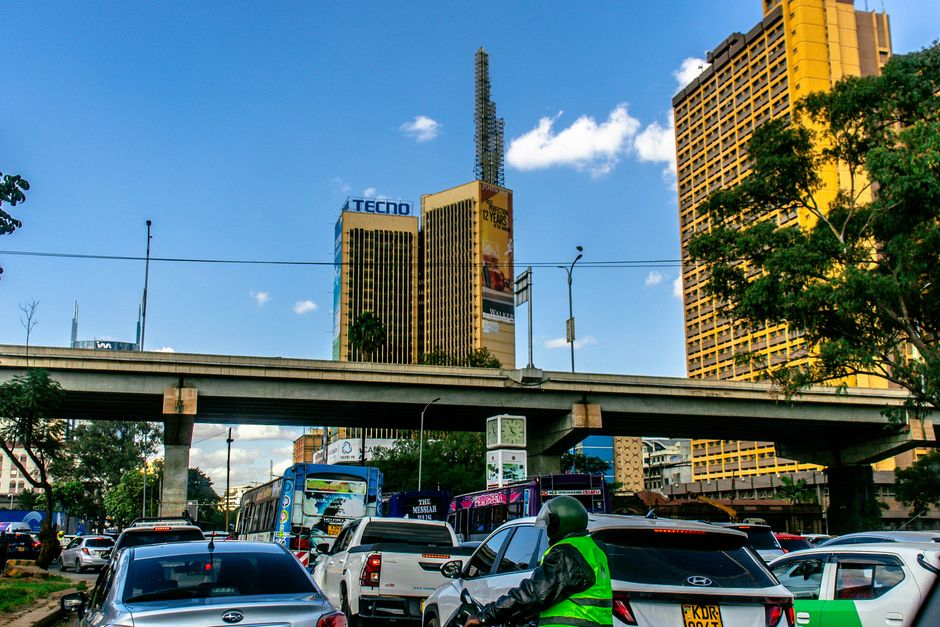
Nairobi wakes up this weekend to something it rarely experiences in one 48-hour window: simultaneous cultural events that pull audiences across the entire metropolitan sprawl, from the industrial beats of Industrial Area to the suburban gardens of Karen. The convergence matters because it signals a shift in how the city sees itself—no longer waiting for international validation, but building creative infrastructure that belongs to Nairobi first.
The timing is significant. Global uncertainty has a way of sharpening local identities. With conflicts reshaping Eastern Europe, heat waves punishing the Global North, and seismic shifts destabilizing Latin America, cities are turning inward. Nairobi is no exception. The weekend's programming—anchored by the fourth edition of Nairobi Fashion Week running through Sunday at Khush, the lifestyle complex on Wood Avenue in Westlands, alongside simultaneous theatre productions at Nairobi National Theatre and smaller gallery exhibitions across Kilimani—suggests the city's creative class has decided that global attention is less important than local ownership.
Friday night, the Nairobi Fashion Week opening drew 2,800 attendees, according to organisers. That number itself marks a departure. Ten years ago, the same event struggled to fill mid-tier venues. Today, the week pulls designers who have worked with East African retailers generating combined annual revenues exceeding $400 million. The event itself runs on a budget of 85 million shillings, with sponsorship coming from telecom companies and regional banks rather than international luxury houses.
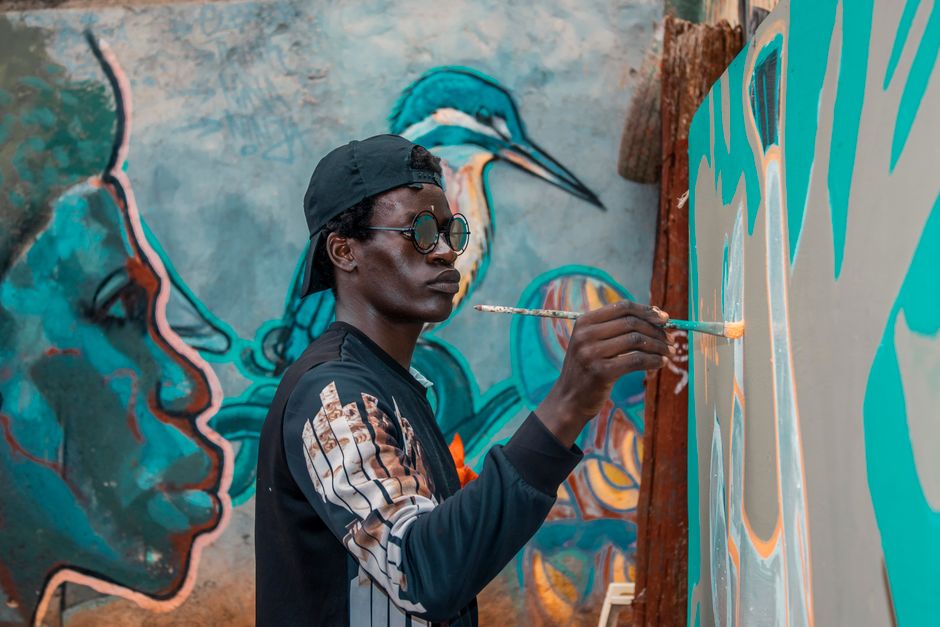
Three blocks away in Kilimani, the Gallery Watatu complex hosted its own programming Friday evening: two emerging visual artists launching works that directly respond to Nairobi's urban texture. One installation, constructed from salvaged matatu seat covers and recycled plastic, occupied the entire ground floor. Gallery director communications suggested ticket sales of 450 visitors for the opening alone.
Simultaneously, the Nairobi National Theatre on Harry Thuku Road began performances of a locally written play examining gentrification in South B—a neighbourhood watching property values spike 35% since 2020, according to real estate surveys from property consultancies tracking Nairobi's residential market. The playwright, a Nairobi-based writer, had the script workshopped by actors trained at the Kenya National Theatre's studio rather than imported talent.
This layering reveals the real story. Individual weekend events aren't unusual. But events that cluster geographically, draw consistent local audiences, and centre Nairobi creators without apology—that's a pattern that didn't exist in the city five years ago.
The Centre for Intellectual Property Studies at Strathmore University released data in March showing that Nairobi-based creative professionals increased 18% year-over-year since 2024, with design and visual arts leading growth. More telling: only 22% of those professionals cite international markets as their primary revenue source. The majority work within East Africa, with Nairobi serving as hub.
Fashion week sponsorships alone injected roughly 120 million shillings into production this year. Theatre ticket prices hover between 800 and 1,500 shillings—accessible to middle-class Nairobians, not pitched at tourists. Gallery exhibitions charge no entry fees.
What's shifting is ownership. Ten years ago, Nairobi's cultural calendar followed a boom-bust cycle: international curators would parachute in, produce an event, then vanish. Venues like the Safari Park Hotel hosted one-off galas that felt imported. Today's events come from Nairobi producers working with Nairobi audiences on Nairobi problems.
If you're planning to experience the weekend firsthand, arrive early at Khush on Saturday morning—foot traffic peaks between 11 a.m. and 2 p.m., when the venue reaches capacity. The Nairobi National Theatre has performances at 7 p.m. Thursday through Sunday; book online through their website to avoid queue times. Gallery Watatu's exhibition runs weekends through August. Parking is available on Harry Thuku Road near the theatre; paid lots on Kilimani's Ngong Road offer safer alternatives.
By Monday morning, the temporary stages come down. But the cultural infrastructure they represent stays put. That's the story Nairobi is telling itself this weekend—and it's one the city is finally beginning to believe.
How does this story make you feel?
Spread the word
About this article
Published by The Daily Nairobi
Daily brief
Free, in your inbox before 7am. Weekdays.
More in culture