Nairobi's Young Artists and Entrepreneurs Transform the City's Creative Scene
From Westlands galleries to Eastleigh performance spaces, a new generation of cultural workers is reshaping what it means to spend an evening in the capital.
From Westlands galleries to Eastleigh performance spaces, a new generation of cultural workers is reshaping what it means to spend an evening in the capital.
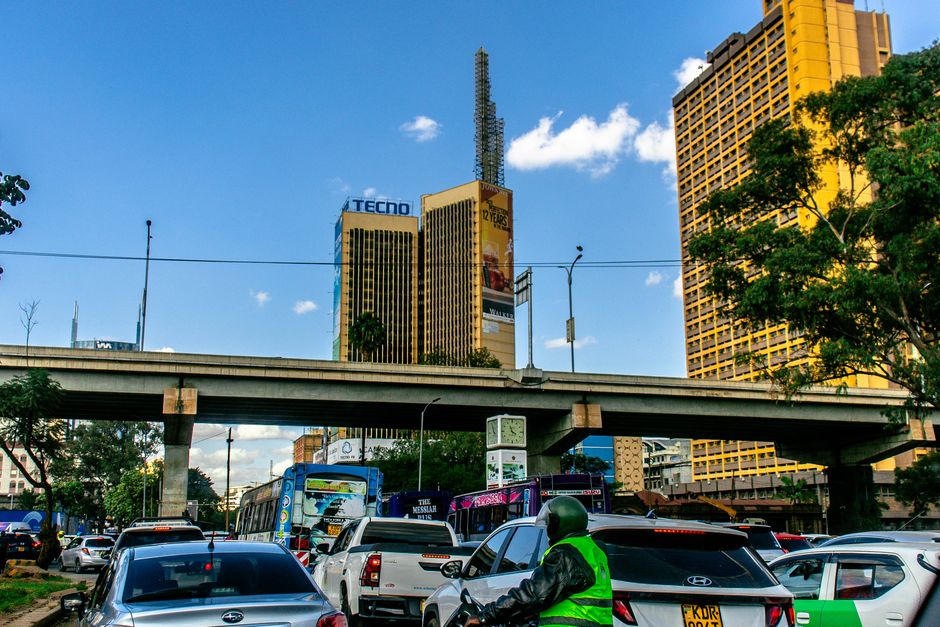
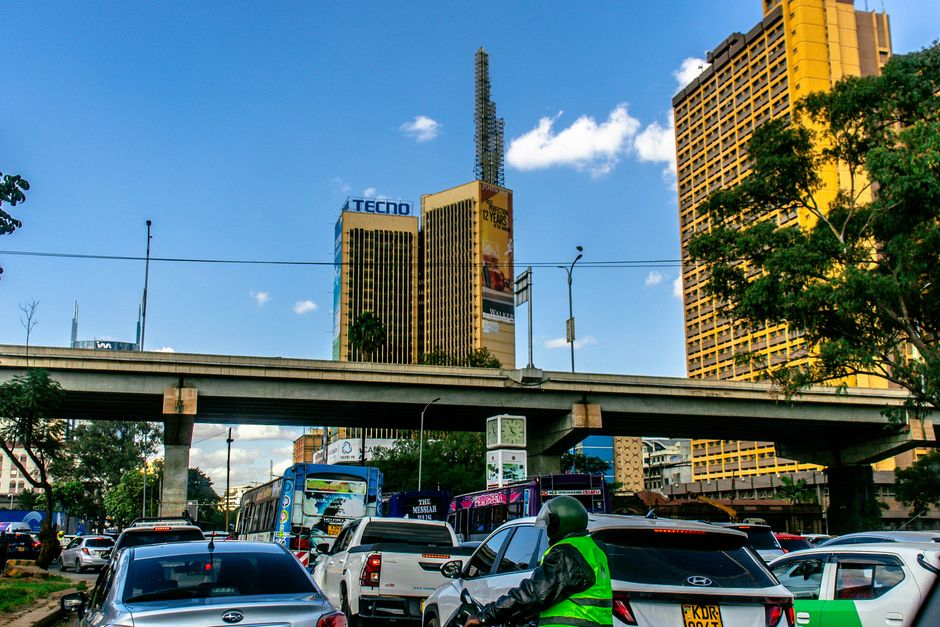
Nairobi's cultural calendar has transformed dramatically over the past three years. Where once the city's nightlife centered almost exclusively on hotel bars and nightclubs, a decentralized network of artist-run galleries, music venues, and performance spaces now competes for Friday night attention. Today—July 3rd, 2026—galleries across the city are hosting openings, live music venues in Kilimani are filling with crowds, and pop-up events in industrial neighborhoods are drawing audiences who might never have ventured to those areas five years ago.
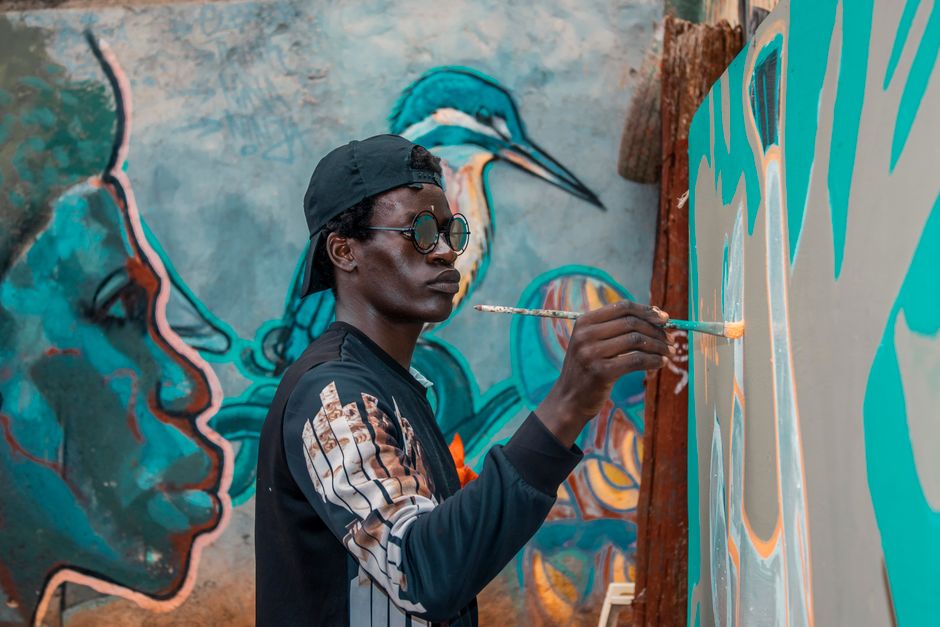
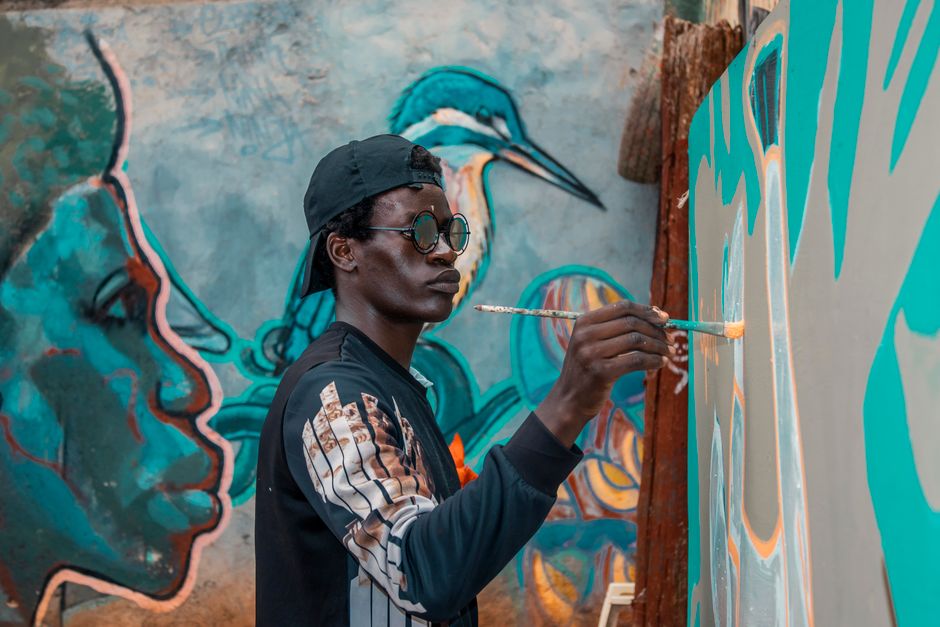
The shift matters because it reflects how Nairobi's creative class is reclaiming the city's narrative from outside investors and global hospitality chains. These aren't slick, branded experiences designed by marketing firms. They're scrappy, locally-controlled cultural spaces built by people who actually live here. The people running them have made deliberate choices about who gets access, what stories get told, and how money circulates within the creative economy.
The Nairobi Gallery and Salon in Westlands, which opened in 2023, sits on a nondescript corridor of Mpesi Lane. It occupies a converted residential space where three artists—a painter, a sculptor, and a curator—decided to stop waiting for gallery owners to give them wall space. They pooled resources and now host rotating exhibitions that change every two weeks. The current show features work by emerging Kenyan photographers. On any given Friday, you'll find 80 to 120 people moving through rooms lit by track lighting rigged by volunteers, drinking cheap wine from plastic cups, discussing compositions and technique.
Twenty kilometers north, in Eastleigh, the Starehe Cultural Center operates on an entirely different model. It's housed in a converted warehouse on First Avenue and functions as both a rehearsal space and performance venue. The center was established in 2021 by a coalition of theater practitioners, musicians, and dancers who grew tired of event promoters controlling access to stages. Today it hosts performances three nights a week, charges audiences between 300 and 800 Kenyan shillings depending on the show, and keeps 70 percent of ticket revenue flowing directly to performers. Last month they hosted 14 separate events—everything from contemporary dance pieces to stand-up comedy in both English and Sheng.
Karen, traditionally home to wealthier residents, has become an unexpected hub for underground electronic music. The Vinyl Library in Lower Kabete operates out of a private member's space where DJs and producers gather. Membership costs 2,500 shillings monthly, which keeps the crowds deliberately small and tight-knit. The space maintains a strict no-phones-during-performances rule and has become known for hosting 4-hour sets by both resident and visiting electronic music producers.
According to a 2024 survey by the Kenya Creative Industries Coalition, Nairobi's independent cultural venues generated approximately 1.2 billion shillings in direct economic activity. That's roughly double the figure from 2021. More significantly, 76 percent of that money stayed within local artist networks rather than flowing to international corporations or foreign-owned hospitality chains.
What enabled this growth? Partly pragmatism. Rent in secondary neighborhoods like Bomas and Donholm dropped during the pandemic. Property owners desperate for tenants became willing to negotiate flexible lease terms. Artists took the risk. They also benefited from a shift in how younger Nairobi residents—particularly those aged 18 to 35—choose to spend leisure time. Traditional nightclubs charged cover fees and demanded alcohol purchases. These new spaces operate on lower overhead, rely on community participation, and created multiple entry points for people with different budgets and preferences.
Today, if you want to experience what's actually happening in Nairobi's cultural life, skip the hotel lounges. Head to Mpesi Lane for gallery conversation. Drive to Eastleigh for live performance. Hunt down the Vinyl Library if you know someone with a membership. The Friday night scene has become a patchwork of small, intentional spaces—and that fragmentation is precisely what's kept it authentic.
How does this story make you feel?
Spread the word
About this article
Published by The Daily Nairobi
Daily brief
Free, in your inbox before 7am. Weekdays.
More in culture