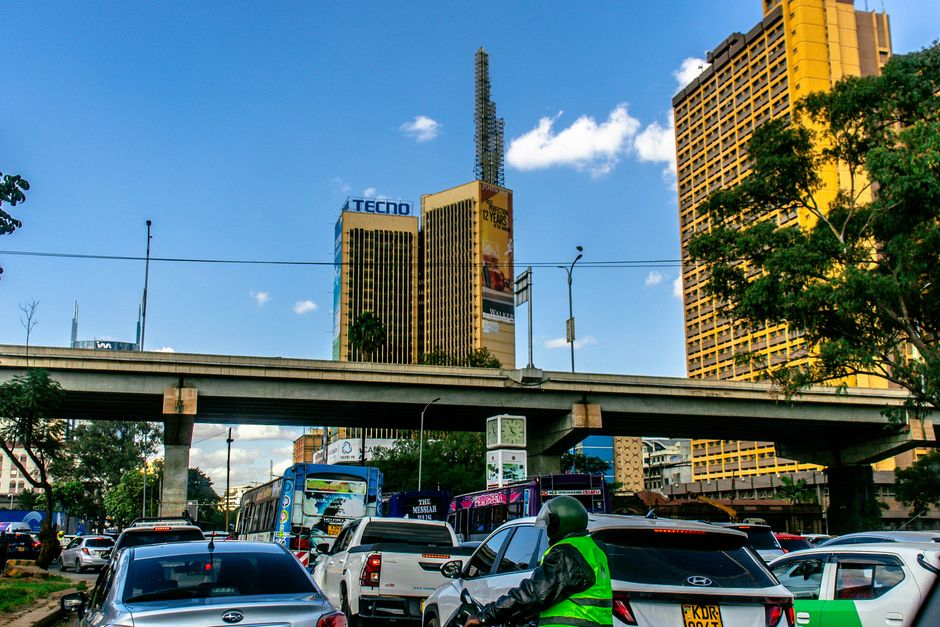
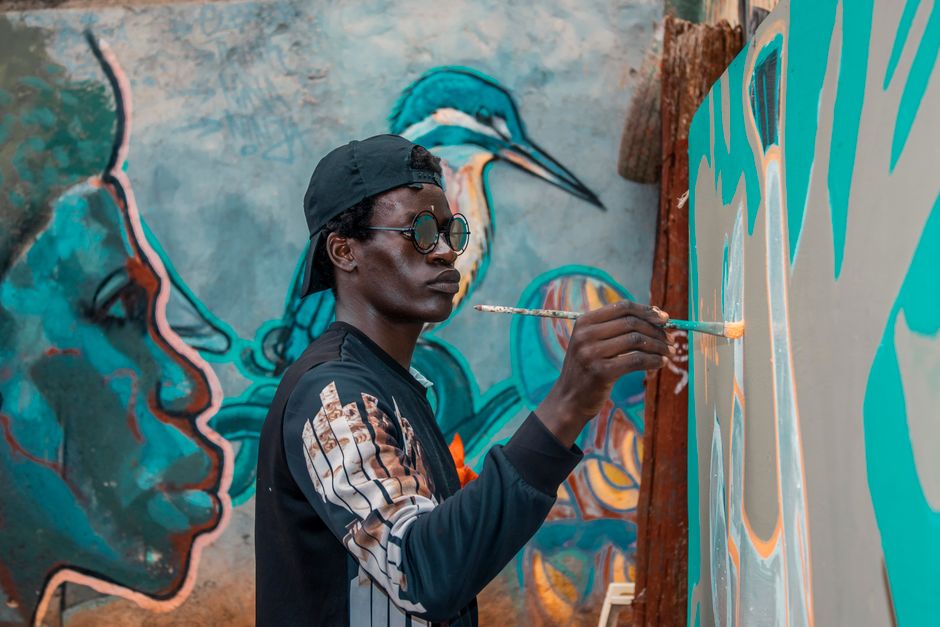
Nairobi is waking up to a Thursday that feels different from the rest of the year. While global markets are preoccupied with energy shortages and regional security shifts, the foot traffic on Koinange Street is focused on something entirely different: the inaugural opening of the 'Common Ground' exhibition at the Circle Art Gallery. By noon, the usual congestion around the CBD had given way to a steady stream of creatives, students, and collectors moving between galleries, marking a shift in how the city consumes its own culture.
The Architecture of a Local Movement
For years, Nairobi’s cultural scene was often seen through the lens of international validation. That has changed. Today, the creative economy is no longer looking toward London or New York for approval. Instead, organizations like The GoDown Arts Centre in Industrial Area are leading a push for localized production. By prioritizing East African narratives in literature, fashion, and visual arts, these spaces are establishing a creative identity that reflects the grit and optimism of Nairobi’s younger demographic. It is a departure from the generic aesthetic often exported by global tourism boards, opting instead for raw, site-specific art that speaks directly to the experience of a resident in Kasarani or Kilimani.
This cultural pivot comes at a necessary moment. With international supply chains under strain, the local maker economy is filling the vacuum. At the Alchemist Bar in Westlands, the 'Made in Nairobi' collective is hosting a showcase tonight that highlights thirty independent furniture designers and textile artists. The goal is simple: replace the imported goods of the last decade with high-quality, locally sourced materials that don't depend on volatile global freight schedules. You can see it in the materials—reclaimed cedar, sisal weaves, and brass hardware sourced from Gikomba—that define the current trend in local interior design.
By the Numbers: The Cost of Creativity
The numbers support the shift. According to the 2026 Nairobi Creative Economy Index, released by the Ministry of ICT and Digital Economy last Tuesday, the sector contributed 4.2% of the county's GDP in the first quarter of this year. This is a marked increase from the 2.8% recorded in 2023. Entrance fees for these cultural hubs have also remained accessible, with most weekend gallery passes sitting at 500 KES, ensuring that the explosion of art remains inclusive rather than elitist. While inflation remains a pressure point, the investment in local talent is proving to be a hedge against economic instability.
If you are looking to see this transition in action today, start at the Kenya National Archives on Moi Avenue to understand the historical framework, then head to the suburbs for the contemporary response. Parking will be at a premium near the major hubs, so consider using the public transit options or the expanding network of ride-hailing services. If you plan to attend the evening panels, arrive by 5:30 PM, as seating at smaller venues like the Alliance Française auditorium typically hits capacity well before the program begins at 6:00 PM. The identity of this city is being written in real-time, one installation at a time.