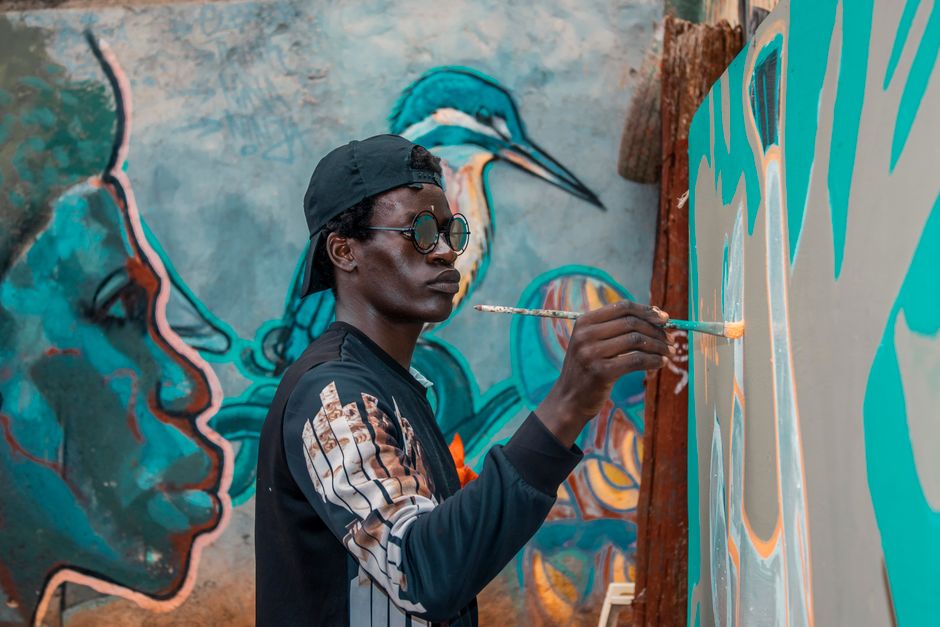
Nairobi’s creative economy is currently outpacing the national GDP growth rate, with a surge of independent galleries and studios driving a 14% increase in cultural tourism since the start of 2026. Today, the epicenter of this movement is not in the traditional white-cube spaces of the city center, but in the converted warehouses near Lunga Lunga Road, where a collective of thirty artists has transformed a former textile mill into a multidisciplinary hub.
The Architects of the Industrial Shift
The transformation of the Industrial Area didn’t happen by mandate; it started with a rent hike in Westlands that forced out four major art collectives in late 2024. Among the displaced was the Shift Collective, which pooled resources to secure a five-year lease on a shell that had sat vacant since the 2018 currency devaluation. Today, the site functions as a foundry, a photography lab, and a performance stage that hosts nightly experimental showcases.
The people driving this are largely self-funded, avoiding the bureaucratic hurdles of state-sanctioned programs. By utilizing salvaged materials from the nearby scrap yards, they have managed to keep studio overheads to approximately 18,000 KES per month, a stark contrast to the premium retail spaces in Karen. The ethos is simple: create where the infrastructure is raw, and refine the narrative as you go.
From the Warehouse to the High-End Gallery
This creative pivot is spilling over into the broader city economy. The nearby Kobo Trust has seen a 22% increase in foot traffic this month alone, as international buyers—seeking an alternative to the increasingly volatile art markets in Eastern Europe—look toward East African talent. The curators here aren't just selling paintings; they are brokering a new identity for the city, one that leans into its reputation as a gateway for tech and design innovation.
For those looking to catch the tail end of this momentum, the doors at the Lunga Lunga collective open at 4:00 PM today for the 'Iron and Ink' exhibition, featuring works from the 2026 emerging cohort. Entry is free, though buyers should expect to pay a premium of at least 45,000 KES for primary market pieces. If the current trajectory holds, these works will likely double in valuation within the next eighteen months, provided the city’s logistics chains remain unencumbered by the monsoon-related flooding currently crippling parts of the coast.
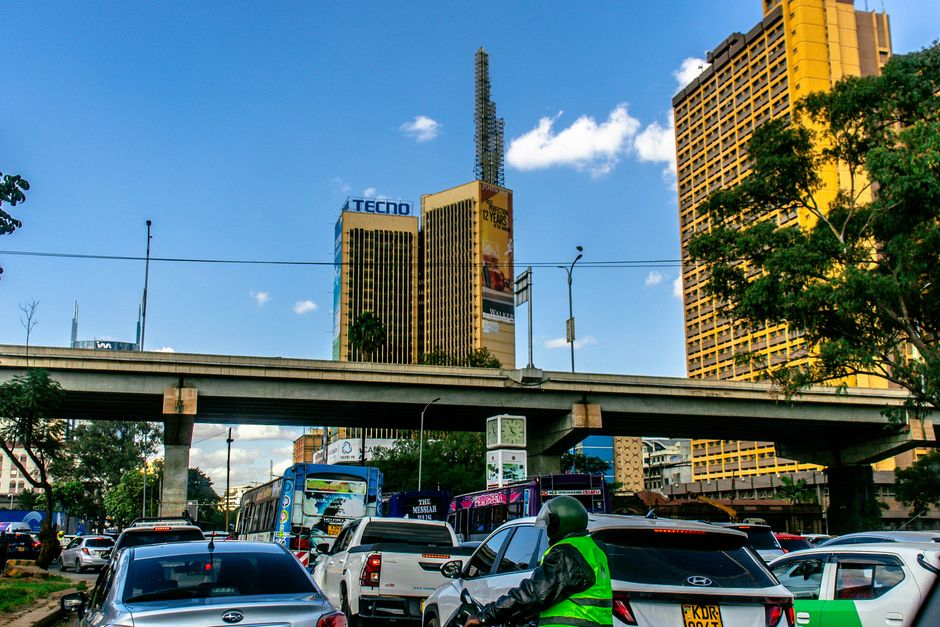
Navigating the scene requires a bit of local know-how; traffic on Enterprise Road is particularly heavy on Thursdays due to the late-shift logistics cycles. Stick to the Matatu routes that cut through Industrial Area, or use a ride-hailing app, but leave your vehicle at home to avoid the parking chaos that follows the 6:00 PM gallery openings. Tomorrow, the focus shifts to the open-mic sessions at the Alchemist in Westlands, where the same artists will trade their canvas for microphones, continuing a cycle of production that rarely rests.