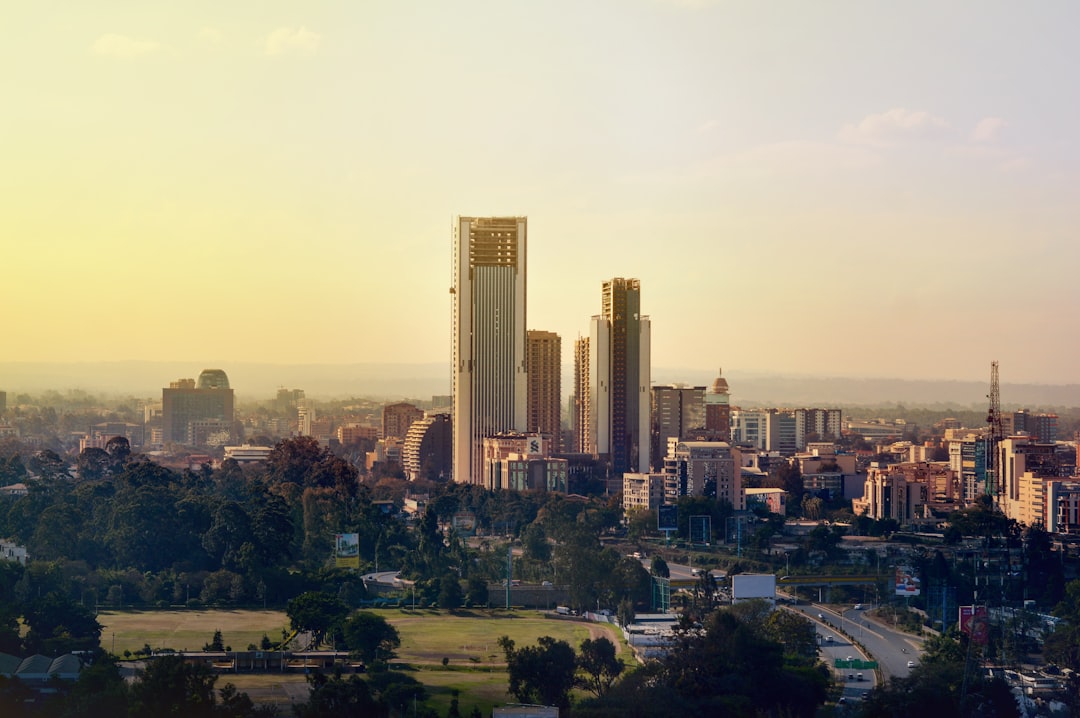
Nairobi is experiencing a distinct shift in its cultural output as a fresh cohort of visual artists, poets, and experimental musicians command space in the city's most prominent creative quarters. This movement, largely driven by independent collectives, has moved beyond traditional gallery showcases to occupy reclaimed warehouses and pop-up street-side venues across the capital.
This resurgence matters because it signals a transition from legacy artistic institutions toward self-sustaining, community-led platforms. As international interest in East African contemporary art reaches a peak, the local ecosystem is finally providing the infrastructure necessary for these emerging voices to reach global audiences without leaving the continent.
The Hubs Fueling Innovation
In Kilimani, venues like the Circle Art Gallery continue to serve as a critical bridge between local practitioners and serious collectors, yet the energy has noticeably drifted toward decentralized spaces. Further north, the Dust Depot in Industrial Area has transformed from a former manufacturing site into a raw, unfiltered space for avant-garde performance art and electronic soundscapes. These venues, alongside long-standing community mainstays like the GoDown Arts Centre, are prioritizing collaborative residency programs over static exhibitions.
The shift is also evident in the literary and spoken-word circuit, with groups operating out of cafes on Lenana Road curating weekly events that focus on indigenous narrative forms. These practitioners are increasingly collaborating with digital designers to integrate traditional storytelling with modern animation, creating a unique aesthetic that has begun to draw attention from international arts festivals.
The Metrics of Growth
Data from the Nairobi cultural sector indicates that investment in independent creative spaces has climbed, with interest in local arts collectives rising since the start of the current year. Market indicators for local contemporary art have mirrored this trend, as auction activity for emerging Kenyan painters has picked up during recent quarterly sales events held in the city. Entry-level works at these boutique showcases have seen prices rise as demand for localized, authentic creative content remains strong among both domestic and international buyers.
For those looking to engage with this wave, the best approach is to monitor the programming calendars of the Alchemist Bar in Westlands and the various studio open-days hosted periodically at the Kuona Collective. While major institutions offer a view of the established canon, the true evolution of the Nairobi scene is happening in these smaller, more agile spaces. Those interested in the next cycle of exhibitions should check the official bulletins of the Nairobi Arts Trust, which lists upcoming collaborative projects and residency opportunities for the remainder of the year.