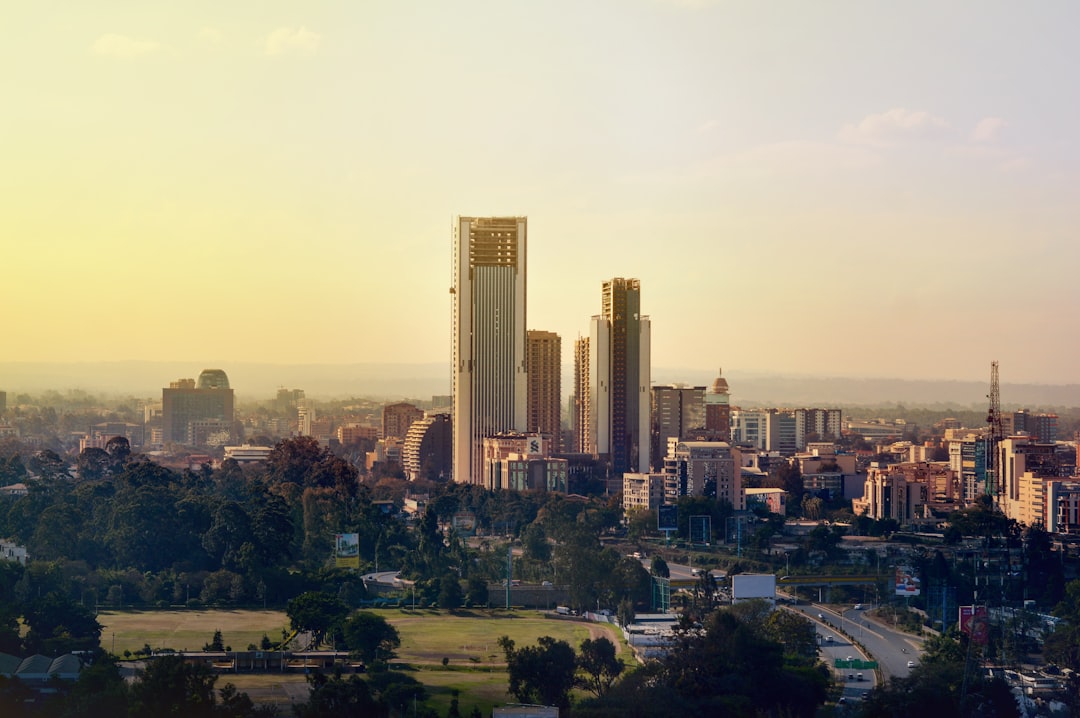
Nairobi’s Weekend Shift: Art, Vinyl, and the City’s Pulse on July 5
As global headlines dominate the screens, Nairobi residents are turning to local creative hubs and archival projects to set the tempo for the weekend.
As global headlines dominate the screens, Nairobi residents are turning to local creative hubs and archival projects to set the tempo for the weekend.
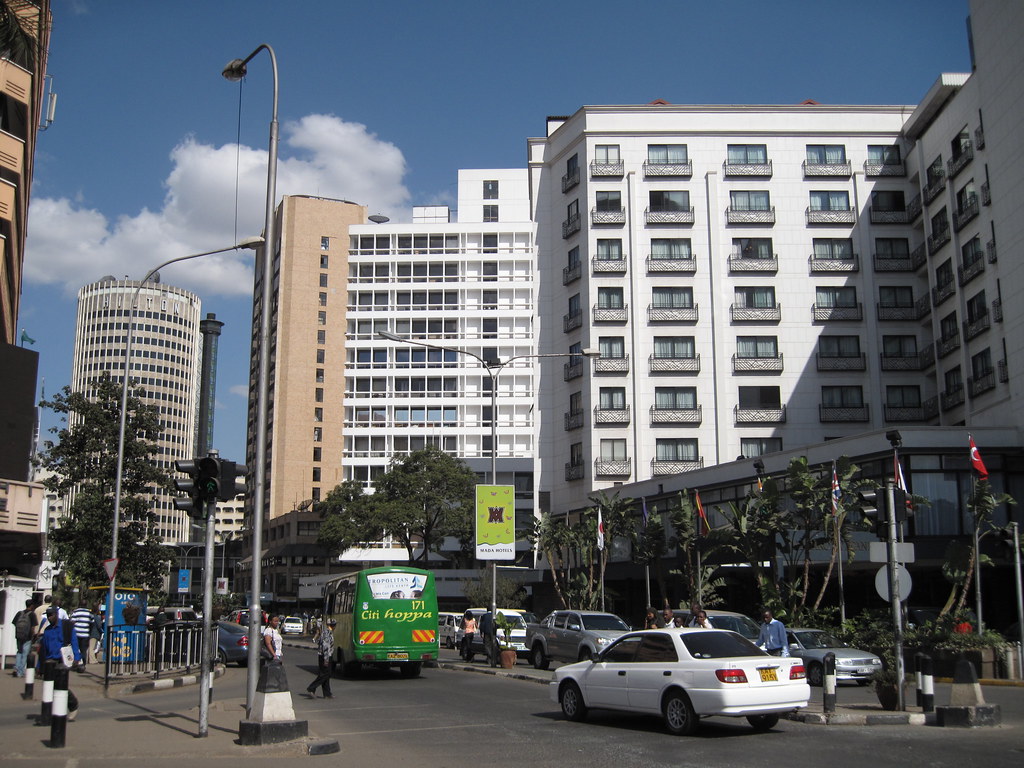
Nairobi’s cultural calendar hit a distinct frequency this Saturday, July 5, as the focus shifted from the international news cycle toward the capital's growing appetite for niche vinyl culture and contemporary visual arts. While global observers track seismic events in South America and political shifts in Tehran, local residents are crowding into spaces along Rhapta Road and the Industrial Area, marking a return to in-person artistic engagement that has defined the city’s post-pandemic aesthetic.
The conversation in Westlands this morning centers on the latest curation at the Dust Dew Records pop-up, which has become a focal point for collectors seeking rare East African pressings. The store, which recently expanded its footprint near the corner of Waiyaki Way, is hosting a listening session today highlighting 1970s benga recordings. Attendance has spiked, with the shop reporting a 40% increase in foot traffic compared to the same Saturday in June, according to sales data shared on their internal weekly bulletin. This surge reflects a wider trend among Nairobi’s youth-led demographics who are pivoting away from digital streaming to physical media as a form of cultural preservation.
Beyond the turntables, the visual arts scene is seeing a migration of gallery activity toward the warehouse districts. The Circle Art Gallery, an institution that has long anchored the local market, is currently featuring an exhibition that explores the intersection of urban sprawl and environmental preservation. According to the exhibition catalogue published by the gallery on June 28, the works on display utilize materials salvaged from construction sites in Kileleshwa and Kilimani. The pieces are priced between 85,000 KES and 450,000 KES, signaling a robust appetite among local collectors for work that directly references the rapidly changing topography of the city.
For those looking to navigate the weekend, the advice is to move early. The traffic congestion near the intersection of Mombasa Road and Enterprise Road remains heavy throughout the afternoon, making mid-day transit between gallery openings a calculated risk. Most exhibitions in the Industrial Area conclude their viewing hours by 6:00 PM, while the vinyl hubs in Westlands typically transition into private late-evening events. Parking at the major exhibition sites is limited, and ride-sharing remains the most efficient way to access the warehouse zones without the frustration of navigating street-side parking in tight corridors.
How does this story make you feel?
Spread the word
About this article
Published by The Daily Nairobi
Daily brief
Free, in your inbox before 7am. Weekdays.
More in culture