Nairobi’s Creative Renaissance: The Story Behind the Scene and the People Who Created It
From the repurposed warehouses of Industrial Area to the galleries of Lavington, a new generation of curators is redefining the city’s cultural pulse.
From the repurposed warehouses of Industrial Area to the galleries of Lavington, a new generation of curators is redefining the city’s cultural pulse.
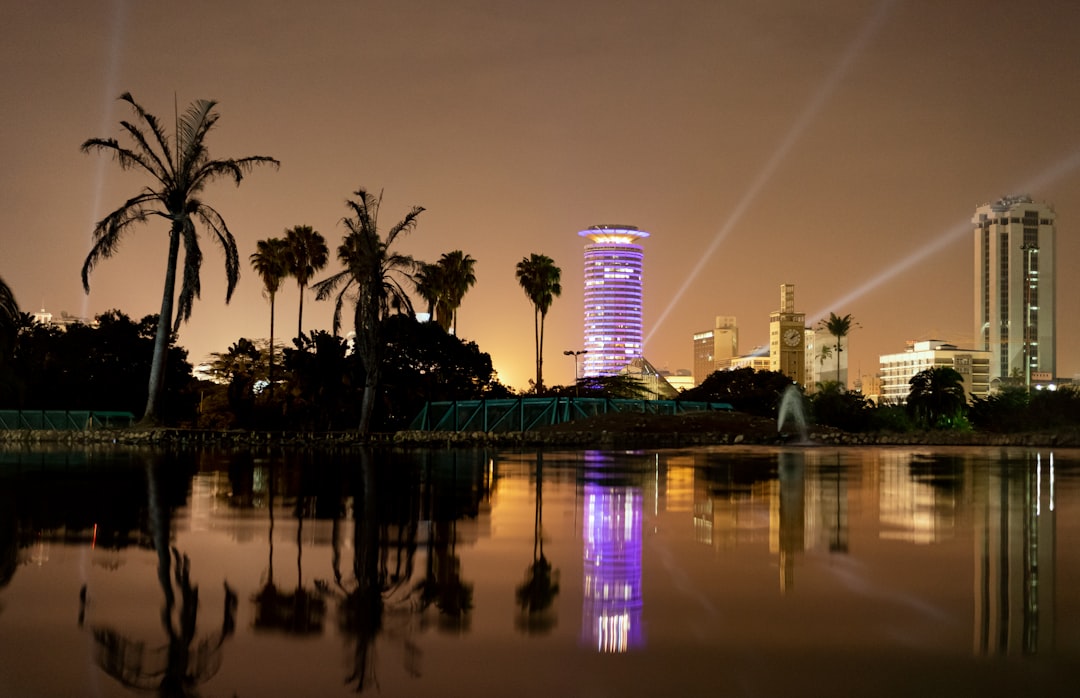
Nairobi’s arts scene is undergoing a deliberate transformation this July, shifting away from imported concepts toward localized, site-specific narratives. As the city marks the mid-year point of 2026, the intersection of repurposed manufacturing hubs and contemporary art curation has become the primary driver of the capital's social calendar.
In the Industrial Area, the repurposing of old storage facilities has fundamentally changed how residents experience weekend programming. The initiative at The Warehouse Project, situated along Enterprise Road, reflects a broader trend among Nairobi’s creative directors to reclaim non-traditional spaces. According to the 2026 Nairobi Cultural Mapping Report released by the Ministry of Tourism and Wildlife, there has been a 14% increase in art exhibitions held within former factory districts since January.
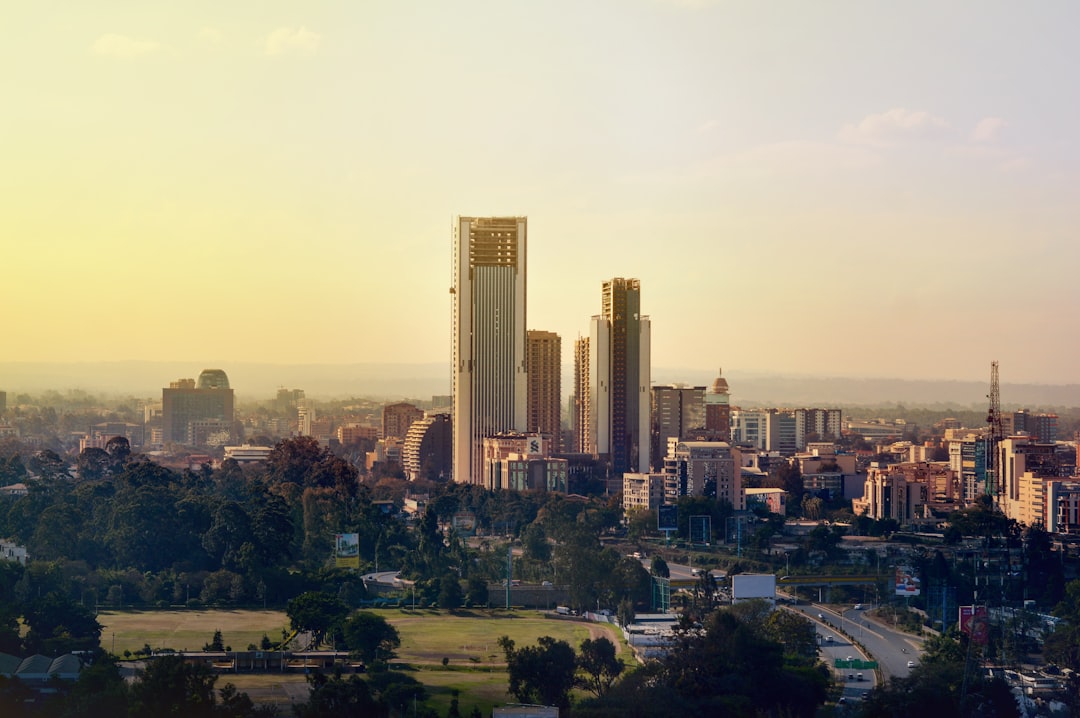
These developments are not merely aesthetic. At the Circle Art Gallery in Lavington, curators have spent the week finalizing a new retrospective that focuses on the architectural history of the city. The program aims to bridge the gap between Nairobi’s colonial-era planning and the current influx of rapid vertical construction. The shift toward these gallery-based discussions serves as a critical counterpoint to the rapid urban density changes documented in the 2025 Nairobi Urban Planning Commission findings.
Financial accessibility remains a cornerstone for these new curators. Entry fees for most exhibitions at venues like the GoDown Arts Centre in Dunga Road remain anchored at 500 KES, a rate set to encourage consistent foot traffic among local students and independent researchers. This pricing model, maintained consistently through the first two quarters of 2026, is part of a deliberate strategy to democratize access to high-level cultural discourse.
For those looking to engage with the city’s evolving scene today, the focus is split between long-term installations and pop-up sessions. The Nairobi National Museum is currently hosting a series of guided tours focusing on the history of East African trade, scheduled to run until late August. Visitors are encouraged to book through the official Kenya Museums portal at least six hours in advance to accommodate the current capacity limits enforced by the site’s conservation department.
How does this story make you feel?
Spread the word
About this article
Published by The Daily Nairobi
Daily brief
Free, in your inbox before 7am. Weekdays.
More in culture