Nairobi’s Creative Pulse: The Story Behind the Scene and the People Who Created It
From the quiet workshops of industrial area galleries to the hum of Westlands nightlife, a new generation of curators is defining the capital's modern identity.
From the quiet workshops of industrial area galleries to the hum of Westlands nightlife, a new generation of curators is defining the capital's modern identity.
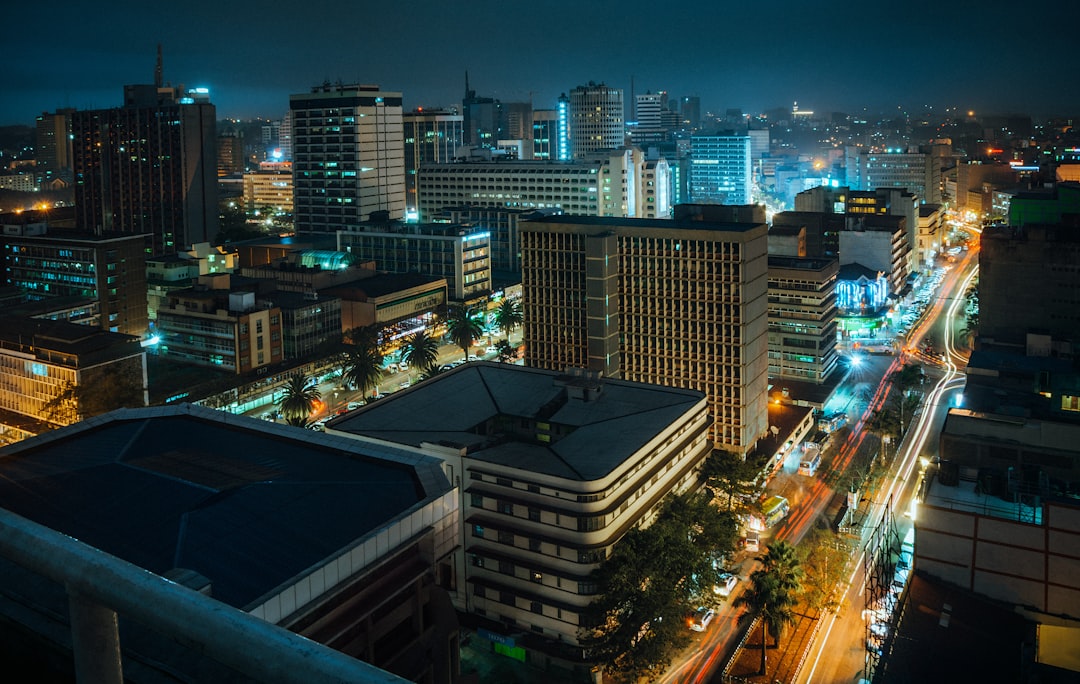
Nairobi’s cultural landscape is shifting this Saturday, July 5, as independent galleries and pop-up venues move to center stage, moving away from traditional institutional exhibitions toward community-led art spaces. Local creators are transforming derelict industrial workshops into hubs of activity that prioritize accessibility over prestige.
This shift matters because the city is currently grappling with a surge in demand for non-corporate creative outlets. As urban development accelerates in areas like Kilimani and Lavington, artists are reclaiming localized spaces to prevent the gentrification of artistic expression. By embedding themselves in neighborhood-level projects, these creators ensure that Nairobi’s aesthetic evolution remains tethered to its residents rather than external market forces.
In the Industrial Area, venues such as the Dust Depot have become focal points for this movement. Founded by a consortium of graphic designers and multimedia artists in 2024, the space serves as both a workshop and an exhibition hall. The founders converted a former metal-fabrication warehouse to provide low-cost studio space for emerging painters. A few kilometers away, the Circle Art Gallery in Lavington continues to host rotating exhibitions that bridge the gap between historic East African influences and contemporary digital mediums, offering a distinct contrast to the gritty, experimental nature of the Industrial Area scene.
Data published by the Nairobi County Department of Culture indicates that the creative economy has seen a steady increase in localized venue registrations over the past 24 months. According to the 2025 Culture and Arts Survey, the city hosted over 140 independent art events during the second quarter of this year, a 12% rise from the same period in 2024. Entry fees for these pop-up venues typically hover around 500 KES, a deliberate strategy to remain inclusive while covering basic maintenance and logistics for the artists involved.
For those looking to engage with the city’s creative pulse this weekend, the best approach is to move beyond the traditional theater circuits. Visiting the galleries on Mvuli Road or the studio clusters near the Enterprise Road corridor offers a firsthand look at the work being produced by local collectives. Most of these spaces are open to the public from 10:00 AM until late evening, though visitors should check the social media pages of specific collectives like the Dust Depot for real-time updates on pop-up events and exhibition schedules. By choosing these smaller venues, participants are directly supporting the operational sustainability of the artists who are currently building Nairobi’s visual future.
How does this story make you feel?
Spread the word
About this article
Published by The Daily Nairobi
Daily brief
Free, in your inbox before 7am. Weekdays.
More in culture