Nairobi on a Sunday: What Visitors Should Know and the Must-See Highlights
From Karen Blixen's colonial homestead to cutting-edge contemporary galleries, a guide to making the most of a day in Kenya's capital.
From Karen Blixen's colonial homestead to cutting-edge contemporary galleries, a guide to making the most of a day in Kenya's capital.
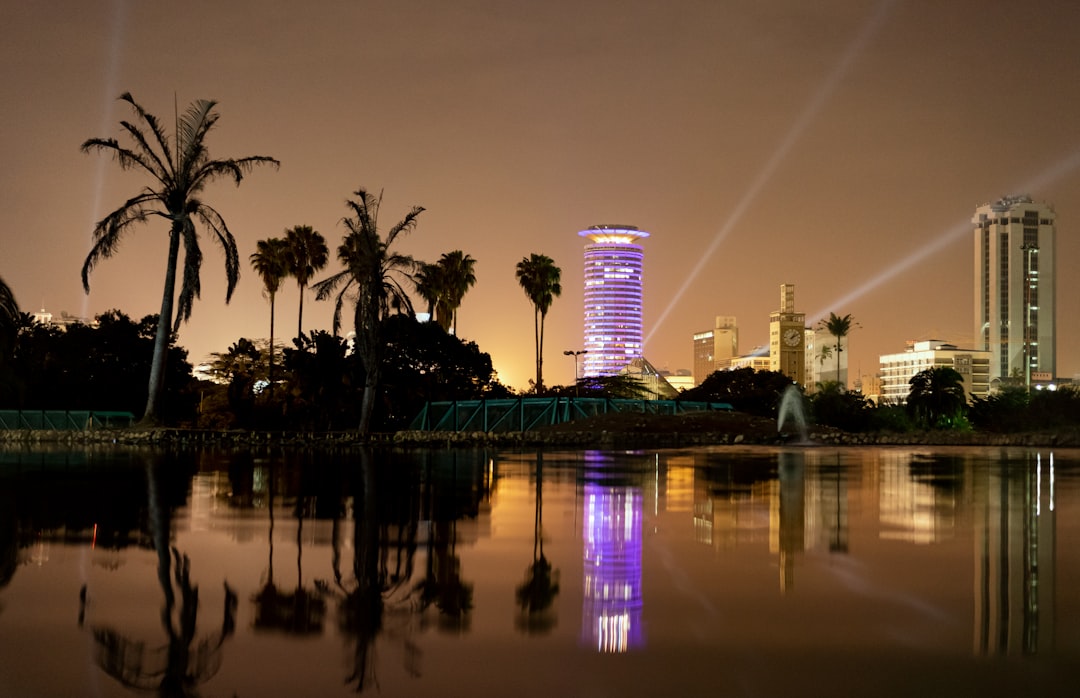
Sunday mornings in Nairobi move at their own pace. The traffic on Uhuru Highway eases. The vendors at Marikiti Market have already sorted their produce. And if you've landed in the city in the past 48 hours, there's no better time to plot your route through what locals will tell you is one of East Africa's most uneven but rewarding cultural landscapes.
The city draws roughly 1.5 million visitors annually, according to the Kenya Tourism Board, and most spend their time in a narrow corridor running from the central business district through Westlands into the leafy suburbs beyond. But the real Nairobi-the one worth your time-sits fractured across neighbourhoods that rarely advertise themselves in the same breath.
The Karen Blixen Museum sits on Bogani Lane in the suburb of Karen, roughly 20 kilometres southwest of the city centre. The house itself dates to 1912 and served as the colonial writer's residence during her years running a coffee farm. The museum opened to the public in 1965 and remains one of the most visited heritage sites in the city, with entry priced at 400 Kenyan shillings for adults as of this year. The grounds offer something most central attractions don't: quiet. From the veranda, you can see the Ngong Hills on a clear day, and the gardens still hold the shape of a world that feels deliberately distant from the honking and construction cranes of downtown.
The National Museum of Kenya sits on Museum Hill in the Nairobi Central Business District, a short walk from Parliament Road. The building houses prehistoric skulls, elephant tusks, and the taxidermied remains of Ahmed, a famous elephant shot in 1978. Adult admission costs 500 shillings. The museum reopened its wings in phases over 2022 and 2023 after a major renovation, and the exhibitions now lean heavily on interactive displays alongside traditional display cases.
Neither venue is a secret. Both appear in every guidebook. But both remain genuinely worth the visit-not because they're exceptional by global standards, but because they ground you in how Nairobi sees itself.
The Nairobi Contemporary art space on Limuru Road in Westlands has become the city's focal point for living artists over the past five years. The gallery rotates exhibitions monthly, favouring painters and sculptors working across abstraction, portraiture, and conceptual work rooted in East African narratives. No admission fee applies; the space operates as a commercial gallery. On most Sundays, at least one exhibition will be open, and the staff can direct you to other galleries within a ten-minute walk-Kuona Trust, NMS Studios, and the GoDown Arts Centre are all within reach.
The GoDown Arts Centre sits in the industrial zone near Nairobi's railway station, a deliberately rough neighbourhood that has become home to theatre companies, music studios, and makers' collectives. Entry is free to walk the compound, though individual performances or workshops may charge separate fees. The venue hosts live music on Friday and Saturday evenings regularly, with cover charges typically ranging from 300 to 800 shillings depending on the act.
For Sunday lunch, Westlands remains the safest bet. The neighbourhood has consolidated itself as the city's restaurant district, with options ranging from high-end steakhouses to casual Ethiopian and Somali joints on Parklands Road. Prices vary wildly but a meal with a drink will cost between 800 and 3,000 shillings in mid-range establishments.
The mistake most first-time visitors make is trying to see too much. Nairobi punishes ambition. Traffic between Karen and Westlands can consume two hours on a weekend. The museum sites close by 5 p.m. Plan your route backwards from closing times, book a reliable taxi through an app like Uber or Bolt rather than hailing on the street, and accept that you'll return. The city doesn't reveal itself in a single day.
How does this story make you feel?
Spread the word
About this article
Published by The Daily Nairobi
Daily brief
Free, in your inbox before 7am. Weekdays.
More in culture