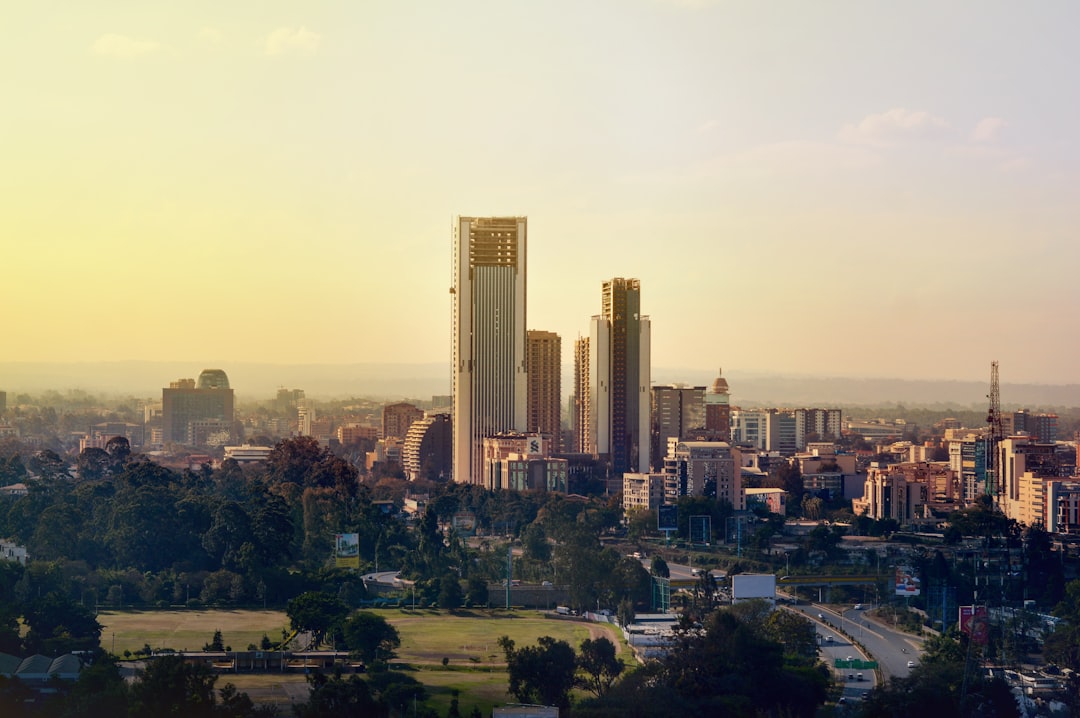
Nairobi Today: What Visitors Should Know and the Must-See Highlights
As the capital enters a weekend of activity, navigation and local engagement remain the keys to experiencing the city's pulse.
As the capital enters a weekend of activity, navigation and local engagement remain the keys to experiencing the city's pulse.
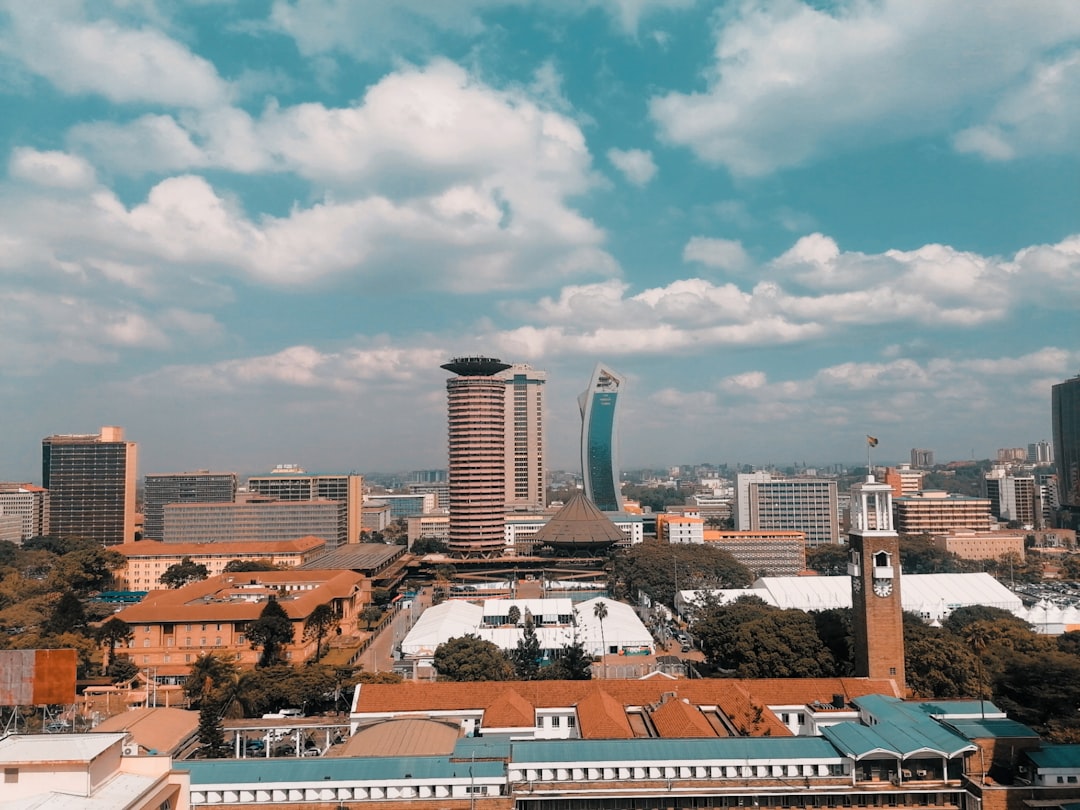
Nairobi residents and visitors alike are navigating a busy weekend as the city maintains its reputation as a central hub for commerce and cultural exchange in East Africa. From the quiet morning hours in the leafy suburbs to the dense foot traffic surrounding the central business district, the city offers a contrast between structured urban development and natural landscapes that define its unique character.
For those looking to ground themselves in local history and ecology, the Nairobi National Museum remains a primary destination. Located near the Uhuru Highway, the museum houses extensive collections that trace the evolution of the region, providing a necessary backdrop for understanding the city's growth. Visitors often pair a morning at the museum with a trip to the nearby Nairobi National Park. The park, which borders the city, continues to attract those seeking to view wildlife in an environment where giraffes and lions roam within sight of the capital's skyline.
Art enthusiasts are turning their attention to the circle of galleries nestled in the Lavington and Runda neighbourhoods. These spaces serve as vital conduits for contemporary East African artists whose work frequently addresses themes of urban migration and environmental change. Beyond the galleries, the street-level experience remains defined by the markets of Westlands and the historic shops of Biashara Street, where local textiles and crafts form the backbone of the city's retail identity.
Traffic patterns in Nairobi fluctuate significantly depending on the time of day and the proximity to major arterial roads like Waiyaki Way. Visitors are advised to account for transit time when moving between the commercial centers of Upper Hill and the residential hubs further afield. Public transit options, including the well-established matatu networks, provide an efficient if unconventional way to traverse the city, though ride-sharing platforms have become a standardized method for those unfamiliar with the local routes.
As of July 2026, the cost of entry for non-resident adults at the Nairobi National Park is set at USD 50 per day, with separate fee structures applying to resident citizens. Maintaining awareness of these costs and the operational hours of protected sites is essential for planning an efficient itinerary. Whether choosing to spend the day exploring the archives at the National Museum or walking the trails at the Karura Forest, the city requires a steady pace to fully appreciate its scale.
Looking ahead, the city council and local tourism stakeholders have indicated a focus on improving pedestrian infrastructure near the central business district to better accommodate the rising number of visitors. Travelers should keep their documentation accessible and remain mindful of peak congestion times on the city's primary roadways to ensure a smooth transition between the metropolitan centre and the outlying green corridors.
How does this story make you feel?
Spread the word
About this article
Published by The Daily Nairobi
Daily brief
Free, in your inbox before 7am. Weekdays.
More in culture