Nairobi’s Weekend Pulse: Tracing the History and Evolution of This Local Scene
From the smoky jazz clubs of the colonial era to the digital-first galleries of Kilimani, Nairobi’s cultural rhythm remains defined by its constant transformation.
From the smoky jazz clubs of the colonial era to the digital-first galleries of Kilimani, Nairobi’s cultural rhythm remains defined by its constant transformation.
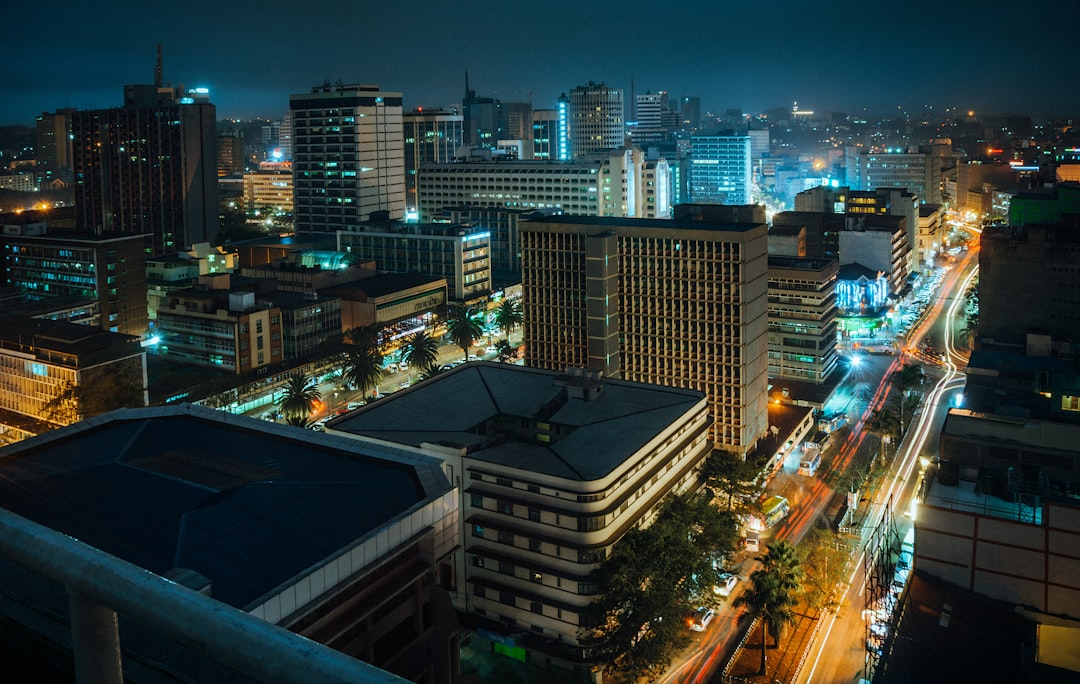
Nairobi’s cultural landscape shifts into high gear this weekend as a slate of events ranging from the Kenya National Theatre’s latest production to the street-level art installations in Shifteye Gallery draws crowds across the city. While the capital prepares for the anticipated Saturday night surge, the weekend offerings reflect a broader evolution of a scene that has moved from static performance spaces to fluid, multidisciplinary hubs.
The city's artistic identity has deep roots in the post-independence era, when venues like the GoDown Arts Centre in Industrial Area became the heartbeat of creative experimentation. According to the 2025 Creative Economy Report published by the Kenya National Bureau of Statistics, the sector contributed approximately 5.3% of the national GDP, a figure that underscores how local entertainment has evolved from an informal pastime into a structured economic driver. This weekend, that legacy is visible in the transition of spaces like the Alchemist Bar in Westlands, which currently functions as a bridge between the city’s historic nightlife and its contemporary focus on experimental electronic music.
Historic archival records from the McMillan Memorial Library indicate that in the early 1960s, public assembly was largely concentrated in municipal halls and church-affiliated performance spaces. Today, the geography of the weekend has expanded toward decentralized venues like the UN-affiliated creative districts in Gigiri and the independent galleries scattered along Riverside Drive. The shift from centralized civic gatherings to boutique, high-concept pop-ups mirrors the city's broader economic integration, where access to the arts is now as much a feature of the digital marketplace as it is a physical destination.
For those looking to engage with the city’s current trajectory, ticket prices for this weekend’s featured gallery walk in Lavington are set at KSh 1,500, a modest increase from the average KSh 1,000 baseline recorded in the 2024 cultural survey. Collectors and enthusiasts will find that the evolution of the market is most apparent in the rising prominence of local street photographers whose work now commands exhibition space alongside traditional oil painters.
As the city moves into the latter half of the year, expect the integration of tech-forward media to intensify within these social hubs. Visitors looking for a curated experience should prioritize the morning sessions at the Alliance Française on Loita Street, as the afternoon crowds typically swell by 3:00 PM. Whether you are navigating the established corridors of the Central Business District or exploring the newer micro-galleries in Kilimani, the current weekend offerings demonstrate a city that is no longer just a destination for tourists, but a sophisticated engine of its own cultural production.
How does this story make you feel?
Spread the word
About this article
Published by The Daily Nairobi
Daily brief
Free, in your inbox before 7am. Weekdays.
More in culture