Grassroots Rhythm: The Community and Movement Driving This Cultural Shift
From the repurposed warehouses of Industrial Area to the galleries of Lavington, Nairobi’s creative engine is being rebuilt by the artists themselves.
From the repurposed warehouses of Industrial Area to the galleries of Lavington, Nairobi’s creative engine is being rebuilt by the artists themselves.
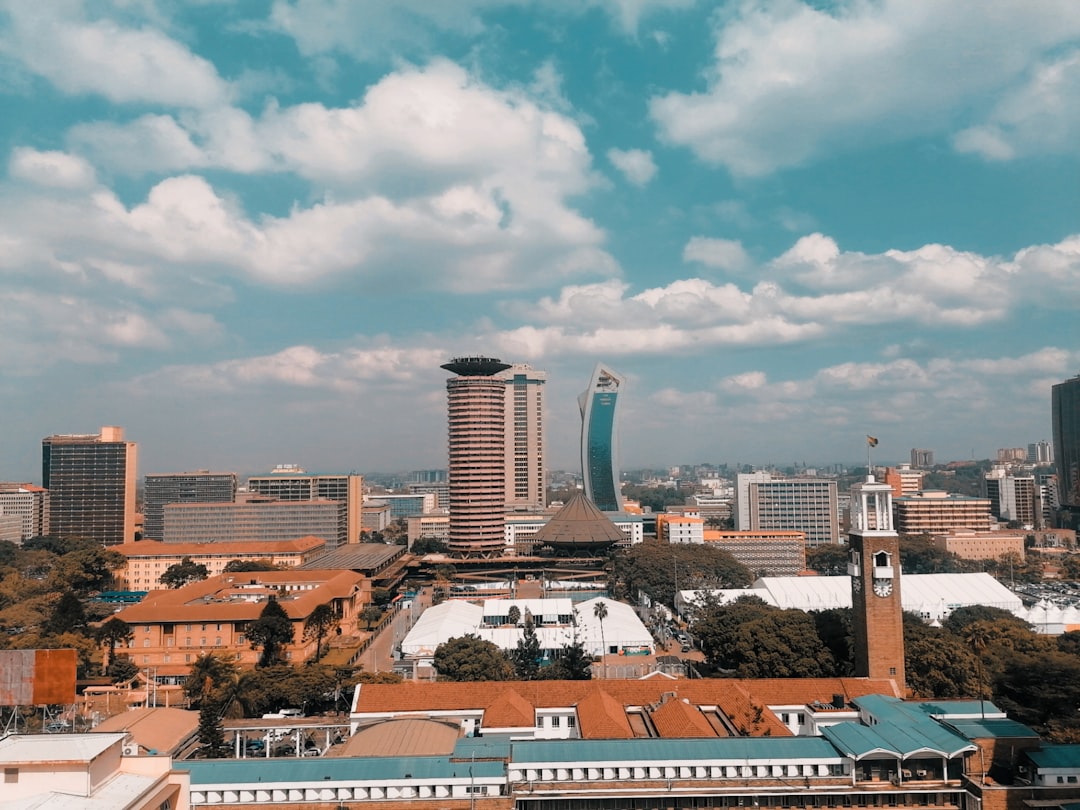
Nairobi’s cultural output has shifted away from state-sanctioned showcases toward a decentralized network of independent, community-led spaces. As of July 5, 2026, the city is seeing a surge in weekend foot traffic driven by underground collectives that prioritize accessibility over institutional prestige.
This transformation is a rejection of the traditional gatekeeping that defined the city’s arts scene for decades. The movement is now defined by a 'do-it-yourself' ethos, where neighborhood creators are transforming derelict properties into galleries, recording studios, and community gardens, effectively claiming space in a city where commercial rents in the Central Business District have increased by an average of 12% over the last fiscal year according to the Kenya National Bureau of Statistics.
The epicenter of this movement sits within the shadows of the Industrial Area. Venues like The Dustbin have become central hubs for experimental sound and visual arts, moving away from the polished aesthetic of Westlands. These spaces operate on a membership model, encouraging local residents to curate their own exhibitions and workshops, a stark departure from the top-down programming seen at major national institutions. Further south, the creative collective based at the Mukuru Arts Centre has begun hosting weekly collaborative mural projects, inviting residents from across the city to contribute to a sprawling, community-owned canvas.
Economic data from the Nairobi City County government’s June 2026 budget review notes that 'informal creative economy zones' have contributed approximately 4.8 billion shillings to the local economy since the start of the year. Admission prices for these independent events remain largely democratic, with most workshops and gallery openings in the Kariobangi and Jericho estates charging between 200 and 500 shillings per session, ensuring that financial barriers do not preclude participation.
The momentum behind these community-driven spaces suggests a permanent change in how Nairobi interacts with its creative sector. Moving forward, the focus for organizers is securing land tenure for these makeshift venues to protect them from encroaching commercial development. Those looking to engage with the scene this weekend can find listings via the Nairobi Creative Map, a crowdsourced digital directory that updates daily with pop-up performances and independent craft markets. Participation is encouraged, though visitors are reminded to prioritize public transit, as parking remains limited at many of these repurposed industrial sites.
How does this story make you feel?
Spread the word
About this article
Published by The Daily Nairobi
Daily brief
Free, in your inbox before 7am. Weekdays.
More in culture