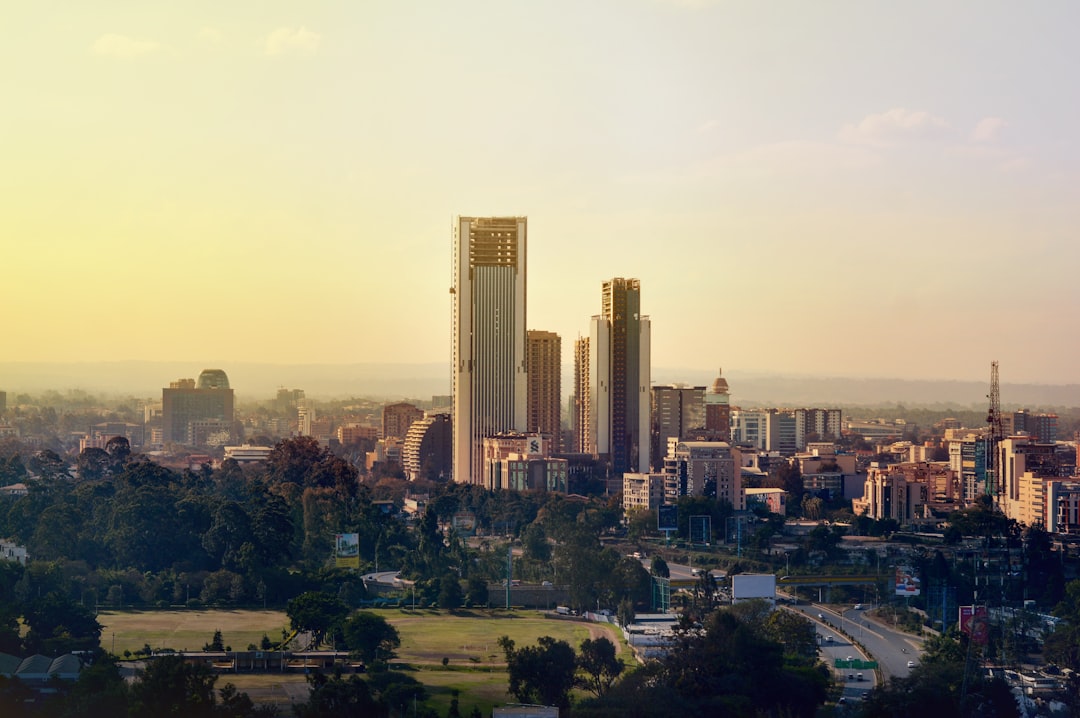
Nairobi’s streets are humming with an intensity that feels distinct even by the city's high-energy standards. This Saturday, the Nairobi Fashion Week kick-off at the Sarit Centre and the opening of the ‘Urban Echoes’ photography exhibition at the Circle Art Gallery in Lavington serve as dual focal points for a scene that is shedding its reliance on international validation. Instead, curators and artists are leaning into a homegrown aesthetic that bridges the gap between traditional storytelling and digital-era production.
The Shift Toward Local Curation
For years, the city’s creative output was often categorized by how well it could translate to markets in London or New York. That dynamic has fractured. Today, organisations like the GoDown Arts Centre are prioritizing long-term residencies that allow creators to develop work specifically for the Kenyan context. By moving away from sporadic, donor-led projects, Nairobi is establishing a permanent creative infrastructure that keeps talent within the borders of the county. The focus has turned toward documenting the rapid urbanization of neighborhoods like Kilimani and the evolving sounds emanating from Eastlands.
Data from the Kenya National Bureau of Statistics (KNBS) 2025 Culture and Arts Survey indicates that domestic spending on local creative performances grew by 14 percent between July 2024 and July 2025. This fiscal shift is visible on the ground. Tickets for the ‘Sounds of the City’ showcase at the Kenya National Theatre are priced at KES 2,500, a premium tier that was previously reserved for international touring acts. The willingness of residents to pay these rates confirms a growing confidence in the local value proposition.
Defining a New Aesthetic
The visual identity of Nairobi is also being redefined this weekend through the ‘Nairobi Modern’ architecture tour, which guides visitors through the brutalist structures of the CBD and the glass-fronted expansions in Upper Hill. It is an exercise in claiming public space as a gallery. When artists reclaim the concrete shells near City Hall or the industrial corridors of the Industrial Area for pop-up galleries, they are doing more than displaying art; they are mapping a new geography of influence that sits entirely outside the traditional, state-managed institutions.
As the weekend progresses, the focus shifts to the informal markets at Adams Arcade and the workshops in Ngong. For those planning to navigate the city, expect heavy pedestrian traffic near the CBD through Sunday evening. Visitors are advised to utilize ride-sharing services, as parking near the major cultural venues has reached capacity limits as of 9:00 AM this morning. Keep an eye on the official Nairobi Cultural Council digital bulletin for updates on site-specific installations, as many of these pop-up displays will be dismantled by Monday dawn to make way for the regular work week.