Nairobi’s Saturday Pulse: How This is Defining the City’s Creative and Cultural Identity
From the galleries of Gigiri to the sonic landscape of downtown, the city’s weekend rhythm is shifting toward an artist-led resurgence.
From the galleries of Gigiri to the sonic landscape of downtown, the city’s weekend rhythm is shifting toward an artist-led resurgence.
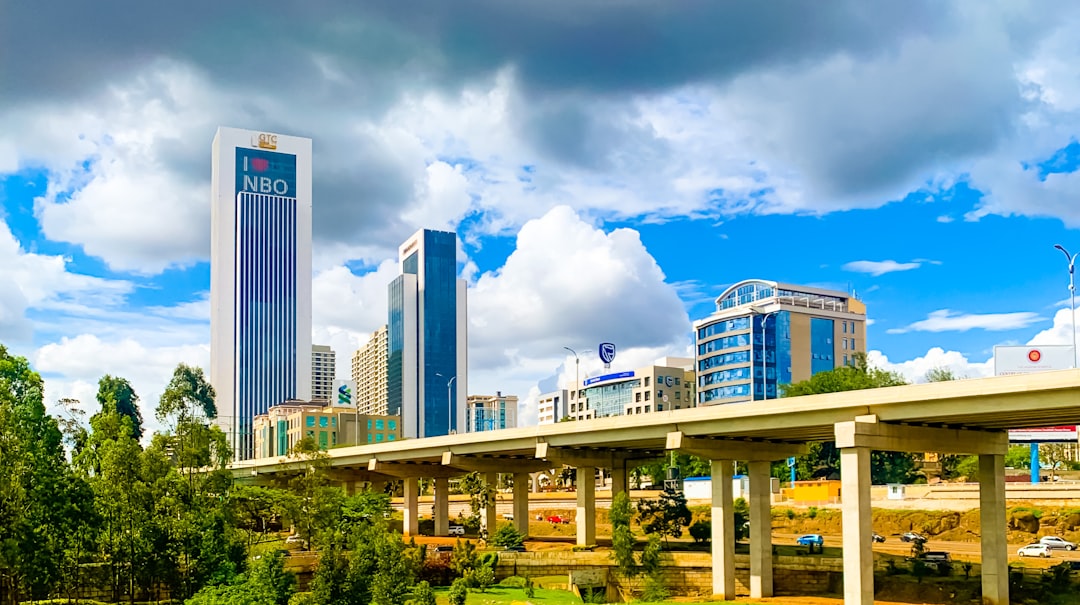
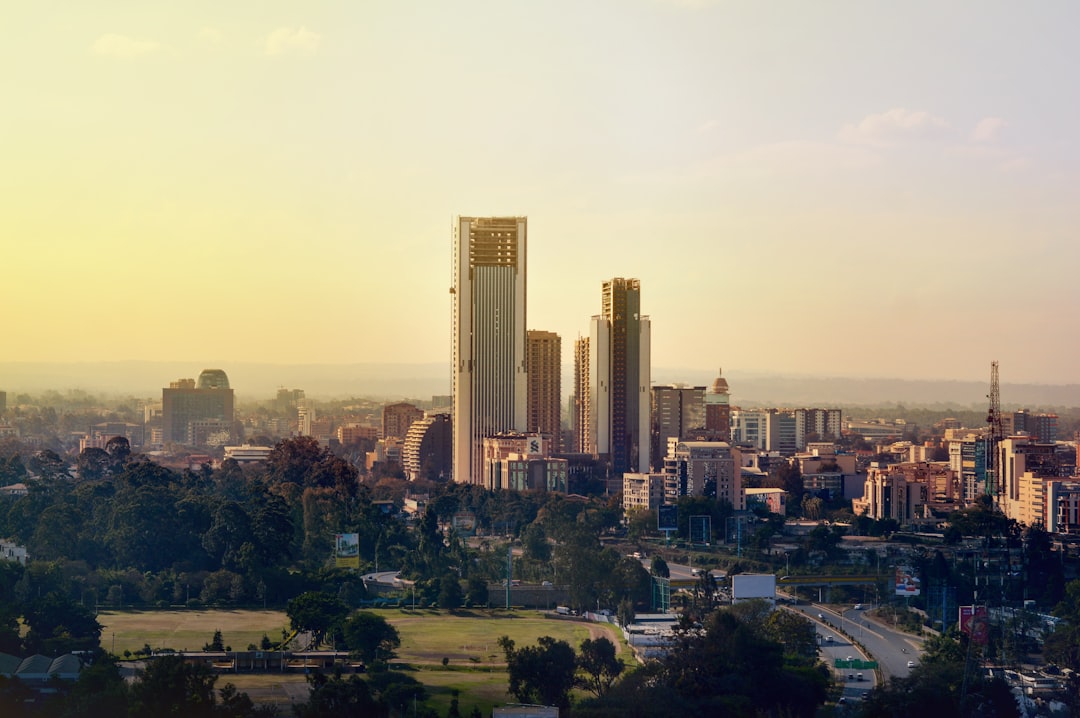
Nairobi hits its creative stride this July 5 as a wave of independent exhibitions and live electronic showcases cements the capital's reputation as East Africa’s premier cultural engine. While the international news cycle turns toward the volatility of the global stage, the streets of Kilimani and the corridors of the Nairobi National Museum are occupied with something markedly different: a concerted effort to codify a new aesthetic language for the city.
This shift matters because Nairobi is no longer content to act as a passive transit hub for regional art. The current explosion of interest in local digital media and contemporary fine arts reflects a broader structural change in the city's economy, where creative capital is increasingly viewed as a primary export. Rather than relying on imported cultural motifs, the city's youth are pouring resources into grassroots spaces that prioritize high-concept visual storytelling and underground sonic experimentation.
Today’s cultural map is anchored by the Nairobi Contemporary Art Institute in the Rosslyn Riviera Mall, which is currently hosting its summer curation cycle. This venue has become a focal point for collectors who previously bypassed the region. Simultaneously, the visual arts community has migrated toward the informal galleries scattered throughout Lavington, where pop-up exhibitions by the artists affiliated with the Kuona Trust are drawing hundreds of visitors each weekend. These venues are not merely galleries; they serve as informal town halls where the discourse on urban development, social equity, and technology happens in real-time.
The auditory culture of the city is undergoing a similar evolution. Down at the Alchemist Bar in Westlands, tonight’s programming features a departure from mainstream club hits, opting instead for sets influenced by the experimental sounds emerging from the city’s periphery. According to the venue's digital event schedule, ticket prices for tonight’s performance have been set at 1,500 Kenyan Shillings, a point of entry that highlights the premium now placed on localized, avant-garde entertainment.
Data suggests this cultural shift is more than a passing trend. Recent figures from the Kenya National Bureau of Statistics indicate that the creative economy-broadly defined to include music, film, and visual arts-contributed approximately 5.3% to the national GDP in the last fiscal year. Within the capital, the density of creative workspaces has increased by 12% since 2024, centered primarily in the industrial districts being repurposed for studios and collaborative hubs.
For residents looking to participate in this momentum, the practical move is to step away from the traditional commercial centers and venture into the artist-run spaces along Ngong Road and the workshops in Industrial Area. The most authentic cultural experiences in Nairobi today are found in these smaller, high-density hubs where the artist is also the curator. By the time the sun sets this evening, the city’s identity will have been reshaped, once again, by the sheer volume of output generated by the local collectives who are currently working to define the next decade of East African art.
How does this story make you feel?
Spread the word
About this article
Published by The Daily Nairobi
Daily brief
Free, in your inbox before 7am. Weekdays.
More in culture