Nairobi Today: What Visitors Should Know and the Must-See Highlights
As the capital enters a weekend of high activity, residents and tourists alike are hitting the city's parks, galleries, and markets.
As the capital enters a weekend of high activity, residents and tourists alike are hitting the city's parks, galleries, and markets.
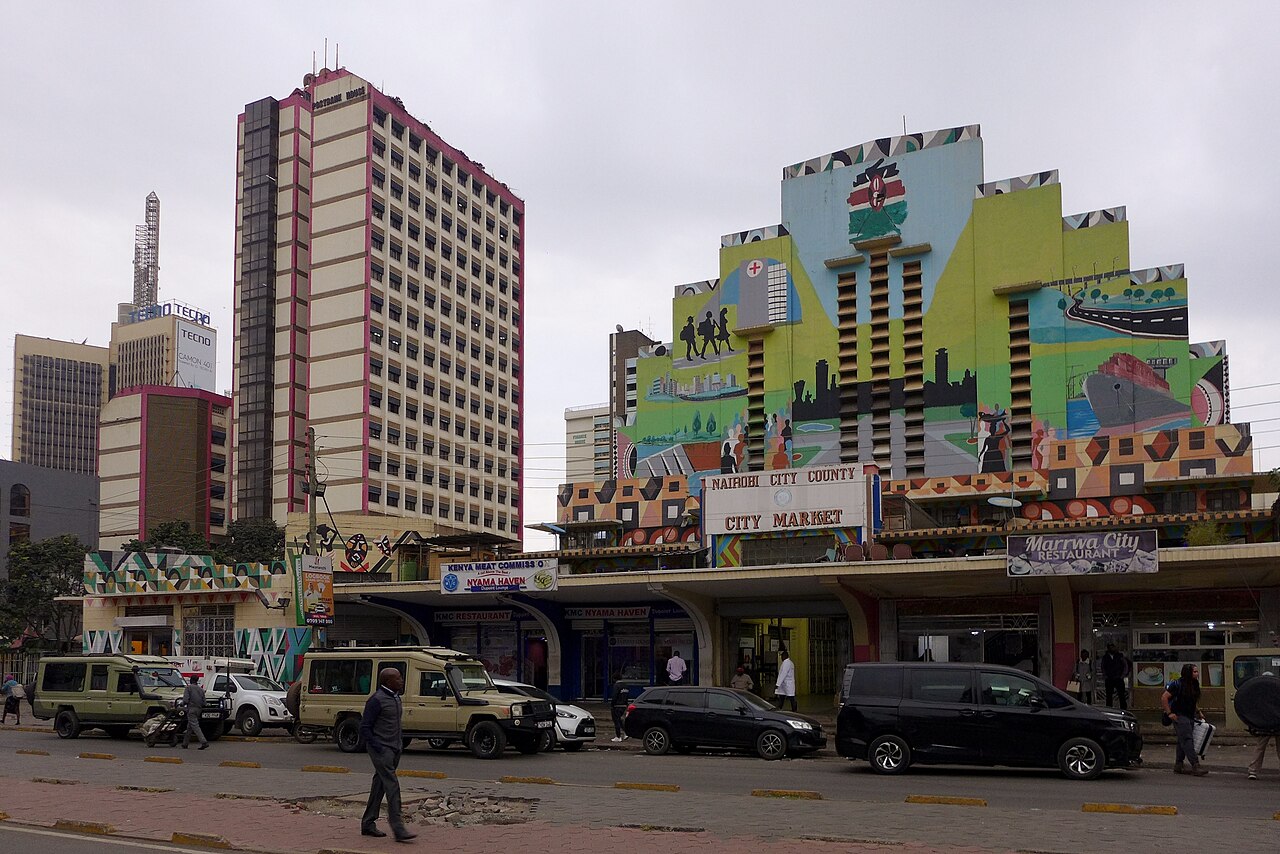
Nairobi is moving at a steady, rhythmic pace this Saturday, July 5, 2026, as the city balances its reputation as a global commercial hub with a burgeoning creative sector. While international headlines focus on tectonic shifts in the Middle East and structural crises in South America, the local scene here is defined by a renewed interest in heritage tourism and urban green spaces.
For those navigating the city today, the primary focus remains the accessibility of high-profile cultural sites. The Nairobi National Museum, situated just off Museum Hill, continues to act as the intellectual anchor for visitors, particularly with ongoing interest in East African paleoanthropology. Meanwhile, the Karura Forest in the northern suburbs offers a stark contrast, providing a sprawling, managed natural sanctuary that remains popular for morning trail runners and families seeking respite from the heavy traffic of the central business district.
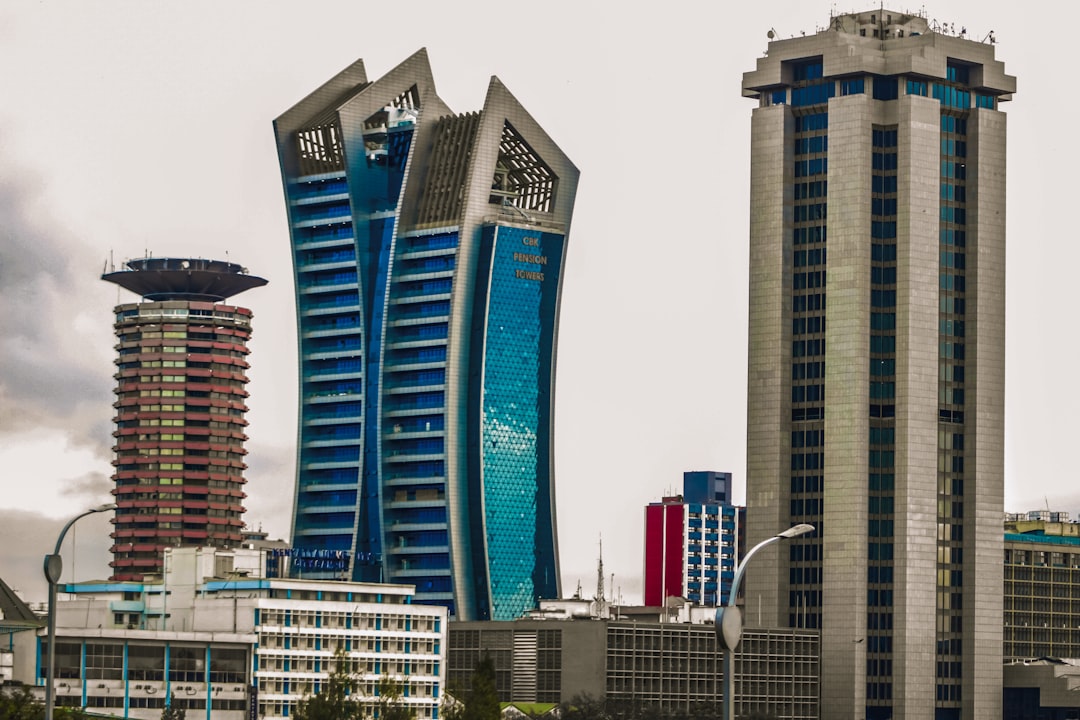
Understanding the layout of Nairobi requires a recognition of its distinct zones. The transition from the high-rise commercial structures on Upper Hill to the colonial-era architecture found in areas like Muthaiga provides a visual history of the city's development. Visitors are increasingly encouraged to use verified ride-hailing services or registered local taxi fleets, as urban infrastructure projects often lead to significant diversions along major arteries like Waiyaki Way.
Beyond the established landmarks, the creative economy is finding a new home in repurposed spaces. The GoDown Arts Centre in the Industrial Area remains a focal point for contemporary Kenyan performance and visual arts. These venues are essential for visitors wanting to understand the current sociopolitical climate through a local lens, rather than just viewing the city as a transit point for safari tours.
Economic indicators suggest a steady interest in local tourism products. According to data provided by the Kenya National Bureau of Statistics regarding the accommodation and food services sector, the industry has seen consistent activity levels through the current calendar year. For those planning an itinerary, it is practical to note that peak hours for movement between districts often shift toward the late afternoon. Visitors should prioritize early starts for trips to the David Sheldrick Wildlife Trust or the giraffe centres in Langata to avoid the congestion that typically builds as the sun begins to set over the Rift Valley escarpment.
Moving forward, the city administration has signaled further maintenance work on pedestrian walkways near the Kenyatta International Convention Centre. Travelers should remain alert to localized closures as these urban renewal efforts progress. The most effective way to experience Nairobi remains an intentional approach: pick one neighborhood for the morning, such as the bustling markets of Westlands, and dedicate the afternoon to the tranquil, curated history found within the city's museum circuit.
How does this story make you feel?
Spread the word
About this article
Published by The Daily Nairobi
Daily brief
Free, in your inbox before 7am. Weekdays.
More in culture