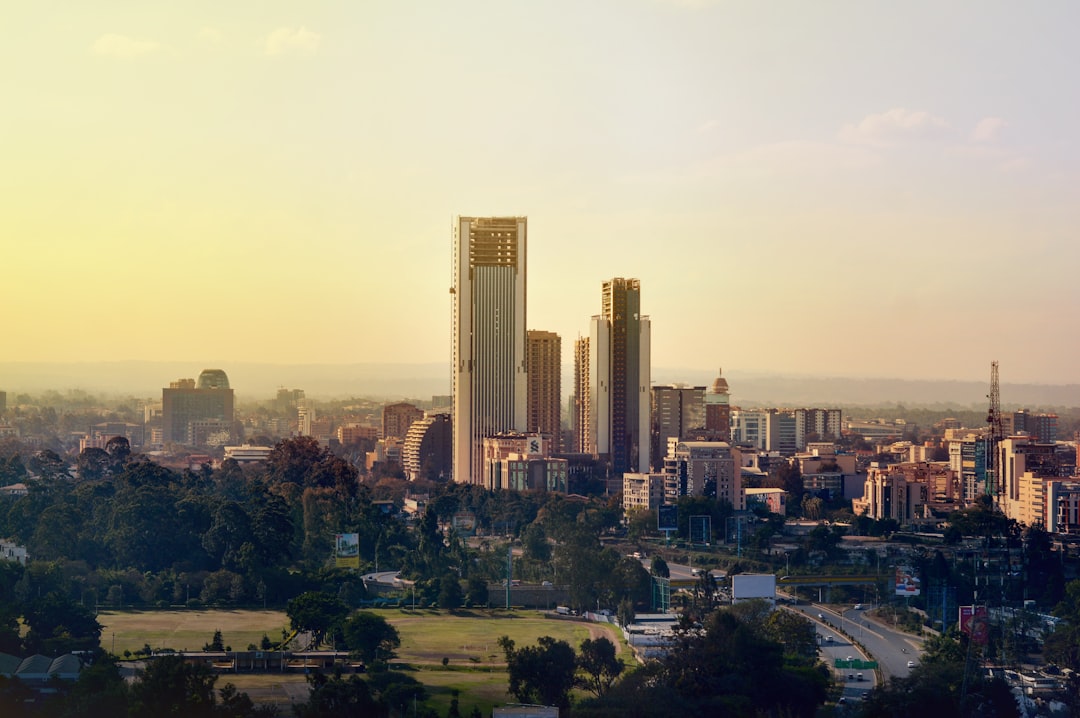
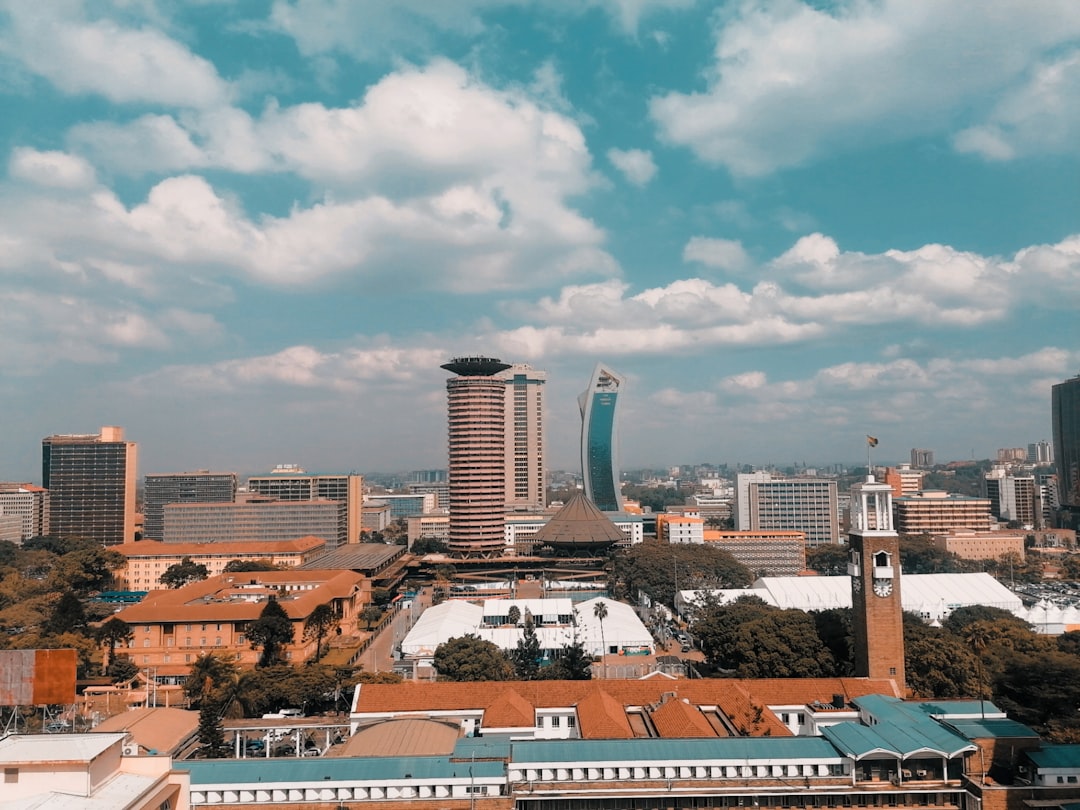
Nairobi pulses with a distinct creative urgency this weekend as a slate of independent exhibitions and live performances demand attention across the capital. From the quiet, curated halls of the United Nations district to the raucous, art-forward venues lining the central business district, the events highlight a fundamental shift in how the city narrates its own history and future. Organizers are moving beyond traditional motifs, favoring a raw, multidisciplinary approach that mirrors the city’s rapid demographic and economic expansion.
Reframing the Narrative in Gigiri and Beyond
The cultural gravity of the city has long oscillated between its established institutions and the grassroots collectives working out of repurposed spaces in Lavington and Kilimani. This weekend, the focus is squarely on the intersection of visual arts and urban identity. Institutions such as the Circle Art Gallery in Lavington and the ongoing programming at the Nairobi National Museum are playing host to showcases that prioritize local provenance. These exhibitions are not merely displays of skill; they are critical inquiries into how Nairobi’s architectural heritage-often overshadowed by glass-fronted high-rises-is being reinterpreted by a younger generation of artists.
This cultural pivot is becoming a hallmark of the city's broader identity. The push to reclaim public space for artistic expression has been buoyed by sustained support from organizations like the Goethe-Institut Nairobi and the British Council, both of which have deepened their commitment to local creative hubs. By providing infrastructure for workshops and collaborative studios, these bodies have helped transition the city's art scene from a fragmented collection of boutiques into a cohesive, globally recognized network. The current surge in weekend attendance reflects a population increasingly invested in the 'Made in Nairobi' aesthetic, moving away from purely imported content toward a local intellectual and sensory experience.
Data Points and Emerging Trends
Recent shifts in the creative economy provide a concrete backdrop to this cultural vibrancy. Based on current reporting from local cultural monitors, the frequency of public art and independent performance events has trended upward over the last two fiscal quarters. While admission prices for these events vary-ranging from free community-led street activations to premium ticketed entries at high-end venues-the overall participation rate has seen consistent growth. For instance, the recent influx of visitors to major urban festivals indicates a strong appetite for local content, with weekend foot traffic at key arts hubs rising significantly throughout the summer months of 2026.
For those looking to engage with the city’s creative pulse, the weekend schedule offers a clear map of where this identity is being forged. Travelers and residents alike are encouraged to prioritize the independent galleries tucked into the residential streets of Kilimani, where the most provocative work is currently on display. As the city matures into a dominant cultural node for East Africa, the events of these next forty-eight hours serve as a vital barometer for Nairobi's creative trajectory. Attendees are reminded to check venue social media channels for real-time updates, as many independent spaces are operating at near-capacity throughout the weekend.