Nairobi's Federal Push: City Government Struggles to Balance Two Masters
As Nairobi expands its role in devolved systems, tensions between City Hall and national authorities threaten crucial services from public transit to healthcare.
As Nairobi expands its role in devolved systems, tensions between City Hall and national authorities threaten crucial services from public transit to healthcare.
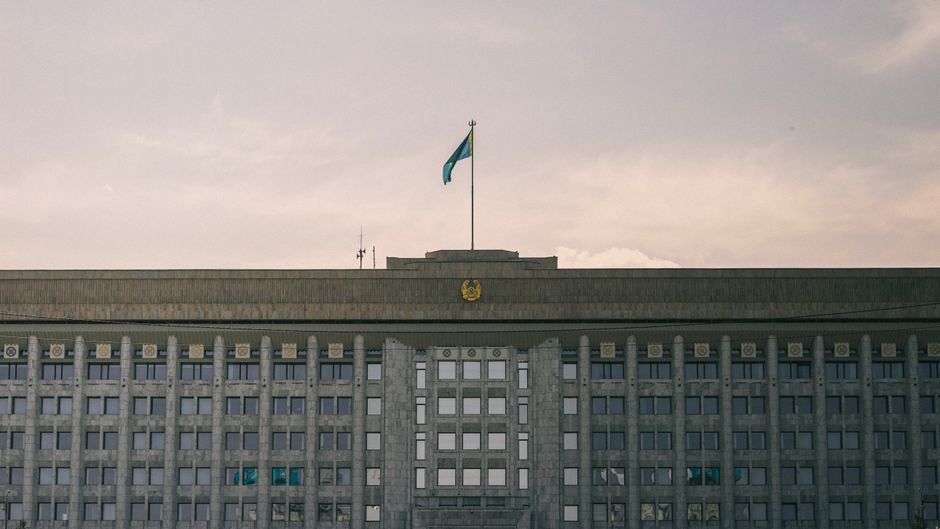
Nairobi's city government faces a deepening crisis of divided authority. The capital operates simultaneously under two competing power structures—the national government and the county system established under Kenya's 2010 constitution—creating bottlenecks that have left critical services from trash collection to primary health clinics caught in jurisdictional limbo.
The friction has become acute this past year as the national government reasserted control over functions the county previously managed. Budget disputes between City Hall and State House have delayed payment of salaries for county health workers, forced the closure of mobile clinics across informal settlements, and created a patchwork system where residents in some Nairobi neighborhoods receive services while others do not.
The practical impact is visible across the sprawling metropolitan area. In Kibera, one of Nairobi's largest informal settlements, the county health department operates only two functional clinics despite serving roughly 250,000 residents. Meanwhile, the national government runs separate health initiatives through the Kenya Medical Research Institute facilities on Mbagathi Way in Upper Hill, creating duplication and waste. "We have two health systems running parallel to each other," said one public health official working in Nairobi's county government who requested anonymity because they were not authorized to speak publicly.
The financial strain reflects broader constitutional ambiguity. When devolution began in 2013, the Nairobi County government inherited responsibility for 35 functions including waste management, water supply oversight, and local health services. Yet the national treasury has repeatedly clawed back funding or imposed conditions on disbursements. In 2024, the county health budget of 8.2 billion shillings faced a 2.1 billion shilling cut when the national government reallocated funds to its own programs. Salaries for county nurses and clinical officers went unpaid for weeks.
The chaos extended to public transport. Nairobi City County was supposed to regulate and oversee the matatu system that moves roughly 60 percent of the city's daily commuters. Instead, the national government created parallel transport authorities and invested directly in the Bus Rapid Transit corridor on Thika Road, bypassing county structures entirely. Commuters navigating routes through Eastleigh, Westlands, and the Central Business District experience inconsistent safety standards and fare structures depending on which authority technically controls each route segment.
The Kenya National Bureau of Statistics reported in March 2026 that public service delivery satisfaction in Nairobi dropped to 41 percent, down from 56 percent in 2023. Water access remains particularly contentious. The national government's Water and Sewerage Company serves some central Nairobi neighborhoods while the county manages systems in peripheral areas like Dagoretti and Embakasi, resulting in severe shortages when either entity faces cash flow problems.
A proposed intergovernmental coordination framework drafted by the Office of the Prime Minister sits in limbo at State House. The framework would clarify which government controls what services and establish monthly coordination meetings. However, political tensions between the national administration and the current Nairobi County leadership have stalled its implementation since April.
For ordinary Nairobi residents, the solution feels distant. Muthurwa Market vendors, Ngara residents depending on public clinics, and Mathare workers using matatus daily continue experiencing fragmented services tied to bureaucratic turf wars rather than operational logic. The city's federal structure—meant to decentralize power—has instead created gridlock that neither level of government seems capable of breaking.
How does this story make you feel?
Spread the word
About this article
Published by The Daily Nairobi
Daily brief
Free, in your inbox before 7am. Weekdays.
More in Federal