The Faces Behind Nairobi's Pulse: Where Neighbourhood Characters Build Community
From Westlands rooftop traders to Kibera entrepreneurs, the real story of Nairobi's revival lies in the everyday people reshaping their streets.
From Westlands rooftop traders to Kibera entrepreneurs, the real story of Nairobi's revival lies in the everyday people reshaping their streets.
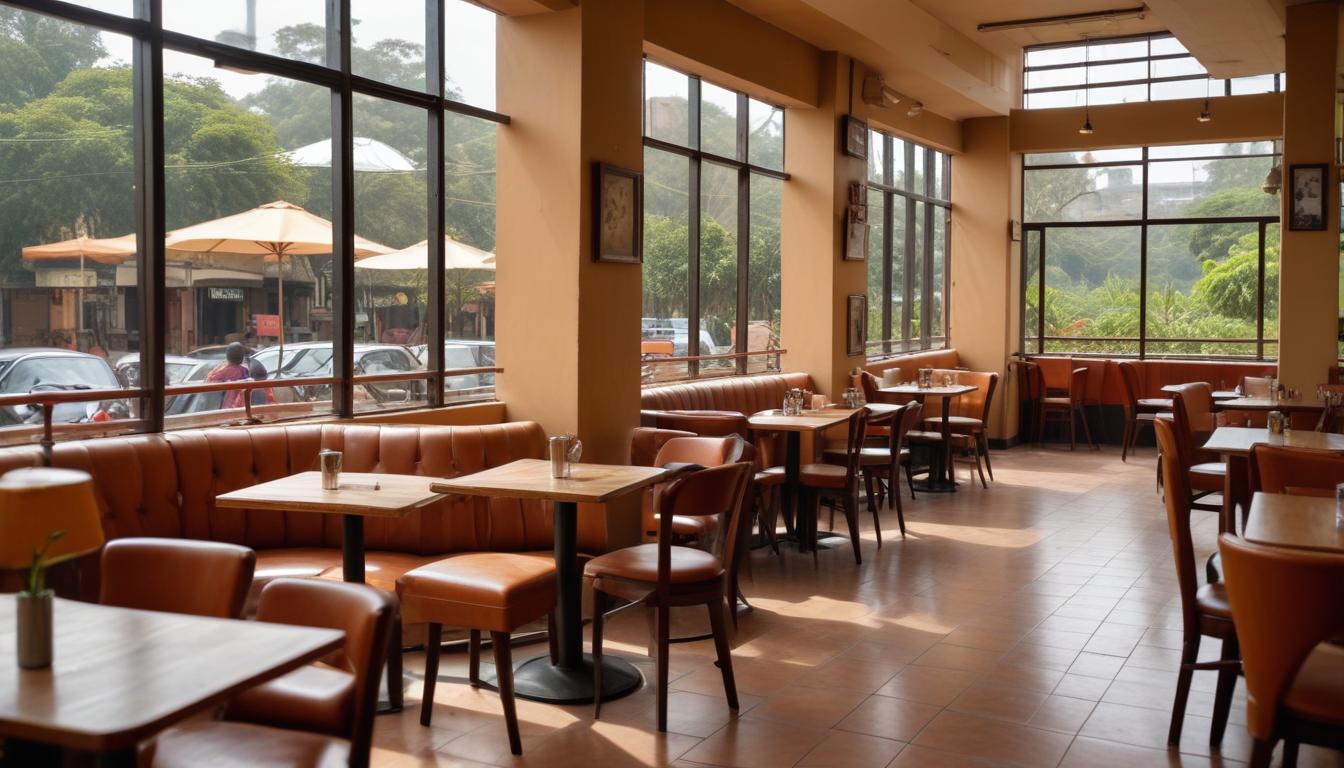
Walk into any Nairobi neighbourhood these days and you'll notice something shifting. It's not just the new coffee shops appearing on Kileleshwa's tree-lined avenues or the renovated colonial buildings along Ngong Road. It's the people—the hairdressers, street vendors, community organisers, and small business owners—who are quietly redefining what it means to live in this city.
In Eastleigh, the transformation has been particularly striking. What was once dismissed as rough around the edges is now experiencing a genuine renaissance, driven largely by Somali-Kenyan entrepreneurs who've invested millions in refurbishing buildings and establishing legitimate businesses. Visit Sheikh Ali Maye Road on any Saturday morning and you'll witness the textbook definition of urban renewal happening organically—the kind that doesn't require a developer's press release. The neighbourhood's youth employment rate has climbed to around 64%, according to recent community surveys, largely because shop owners are mentoring younger residents into apprenticeships.
Across town in Karen, a different narrative is unfolding. While the neighbourhood has long been synonymous with affluence, it's the community groups—particularly the conservation-minded residents protecting the neighbourhood's green spaces—who've become the real custodians of its character. These aren't absentee landlords; they're the retired teachers, the young architects, the healthcare workers who've chosen to stay and invest in maintaining what makes the area worth living in.
But perhaps the most remarkable story belongs to Kibera's informal settlements, where community health workers operate from makeshift clinics, and women's savings groups meet weekly to pool resources and dreams. These spaces—often overlooking the Nairobi skyline—represent resilience that doesn't make headlines but absolutely makes cities function.
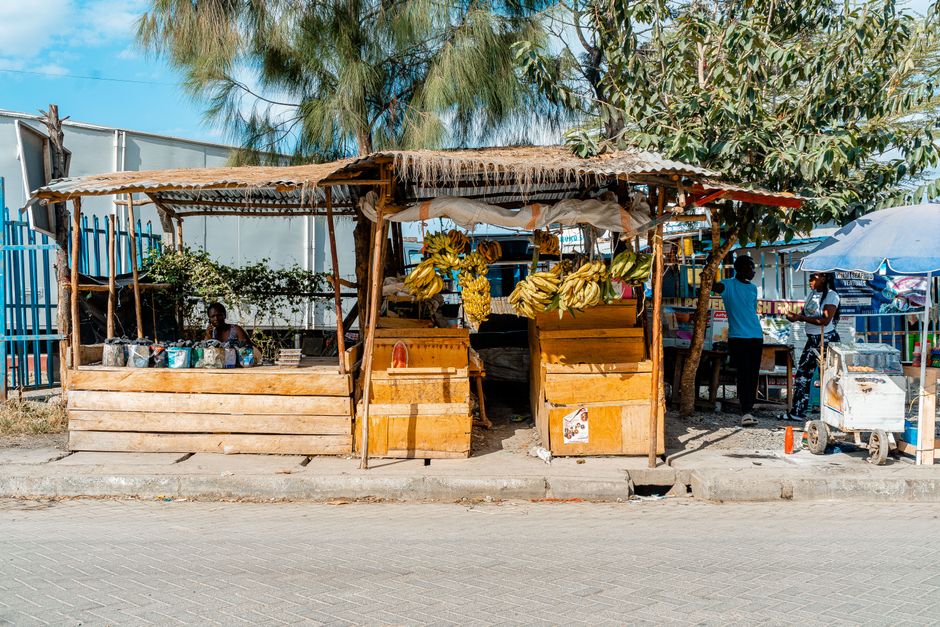
The through-line connecting Westlands' startup ecosystem to Mathare's artistic underground to Lavington's family-owned restaurants is simple: Nairobi works because people choose to make it work. They're not waiting for perfect infrastructure or government intervention. The 28-year-old who opened a sustainable fashion business on Ngong Road, the retired civil servant now mentoring teenagers in Buruburu, the market vendors on Tom Mboya Street who've created informal credit networks—these are the actual architects of urban life.
This is what makes Nairobi different from so many other African cities. It's not the financial statistics or the glass towers. It's the neighbours who know each other, the community centres where real solutions get debated over tea, and the entrepreneurial energy that refuses to wait for permission.
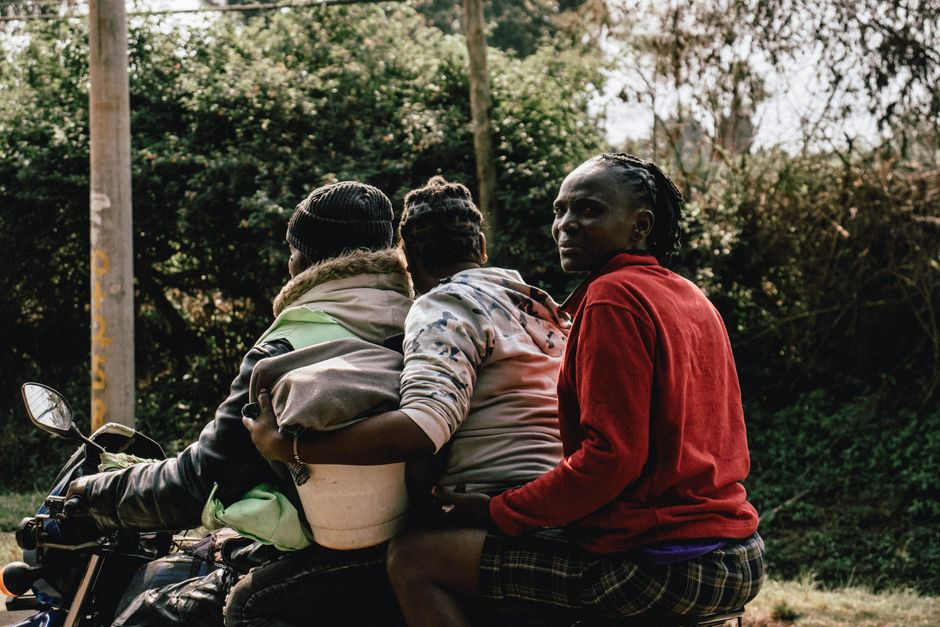
The city's true measure isn't found in quarterly reports. It's in the faces of the people making it home, one neighbourhood at a time.
This article was compiled by AI from the sources linked above and screened before publishing. See our editorial standards.
How does this story make you feel?
Spread the word
About this article
Published by The Daily Nairobi
Daily brief
Free, in your inbox before 7am. Weekdays.
More in lifestyle