Why Nairobi's Parks Are Breaking the Mould on Urban Green Space
While global cities struggle with concrete sprawl, Nairobi is pioneering a distinctly African approach to outdoor living that blends wildlife, community and climate resilience.
While global cities struggle with concrete sprawl, Nairobi is pioneering a distinctly African approach to outdoor living that blends wildlife, community and climate resilience.
Walk through Uhuru Park on a Saturday morning and you'll witness something increasingly rare in major global cities: a metropolitan green space where urban dwellers casually share pathways with vervet monkeys, where the smell of grilled maize wafts past century-old jacaranda trees, and where informal economies thrive alongside manicured lawns. This is what sets Nairobi's approach to parks apart from London's carefully curated Hyde Park or New York's intensively managed Central Park.
Nairobi's 4,000-hectare Nairobi National Park—sitting just 7 kilometres from the city centre—remains the world's only major wildlife reserve within sight of a capital city's skyline. Nowhere else offers this combination: families picnicking beneath acacia trees with giraffes grazing in the background, a luxury that Shanghai, Mumbai, or São Paulo simply cannot replicate. The park generates over KES 2 billion annually in wildlife tourism, yet maintains an authenticity that prevents it from becoming a sanitised theme park.
Beyond the National Park, Nairobi's smaller green spaces tell a different story. Karura Forest, spanning 1,000 hectares in the heart of the city, has undergone remarkable community-led restoration since the 2000s, transforming from a degraded reserve into a thriving ecosystem. The forest's free entry policy—a stark contrast to premium urban parks elsewhere—has made outdoor fitness culture accessible across income levels. On any weekday, the Karura trails host runners, cyclists, and walkers from across the social spectrum.
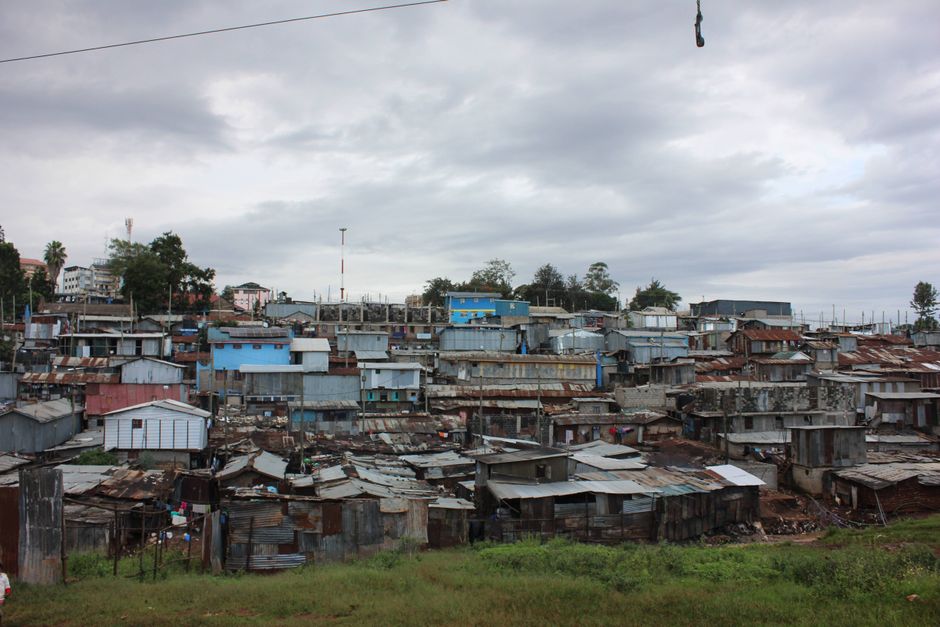
What truly distinguishes Nairobi is how its parks function as genuine community infrastructure rather than primarily aesthetic amenities. Ngong Road Forest Sanctuary, managed by local conservation groups, provides environmental education to schoolchildren while offering city residents affordable woodland experiences. The ongoing City Park initiative in the Kibera area demonstrates how Nairobi is reclaiming underutilised spaces for public benefit—a bottom-up approach rarely seen in wealthy global cities where parks are often legacies of colonial planning.
The climate dimension adds another layer. As East Africa grapples with intensifying droughts, Nairobi's green spaces increasingly function as carbon sinks and water management systems rather than mere recreational luxuries. This pragmatic integration of ecology with urban living mirrors sustainability priorities emerging across African cities, positioning Nairobi ahead of the curve on climate-responsive urban design.
The challenge remains maintenance and equitable access—some neighbourhoods enjoy verdant spaces while others remain concrete-dominated. Yet Nairobi's refusal to separate wildlife from urban living, its embrace of informal-economy vitality within parks, and its growing recognition of green space as essential infrastructure rather than optional luxury, offers a genuinely distinctive model that London, Singapore, or Toronto are only beginning to explore.
This article was compiled by AI from the sources linked above and screened before publishing. See our editorial standards.
How does this story make you feel?
Spread the word
About this article
Published by The Daily Nairobi
Daily brief
Free, in your inbox before 7am. Weekdays.
More in lifestyle