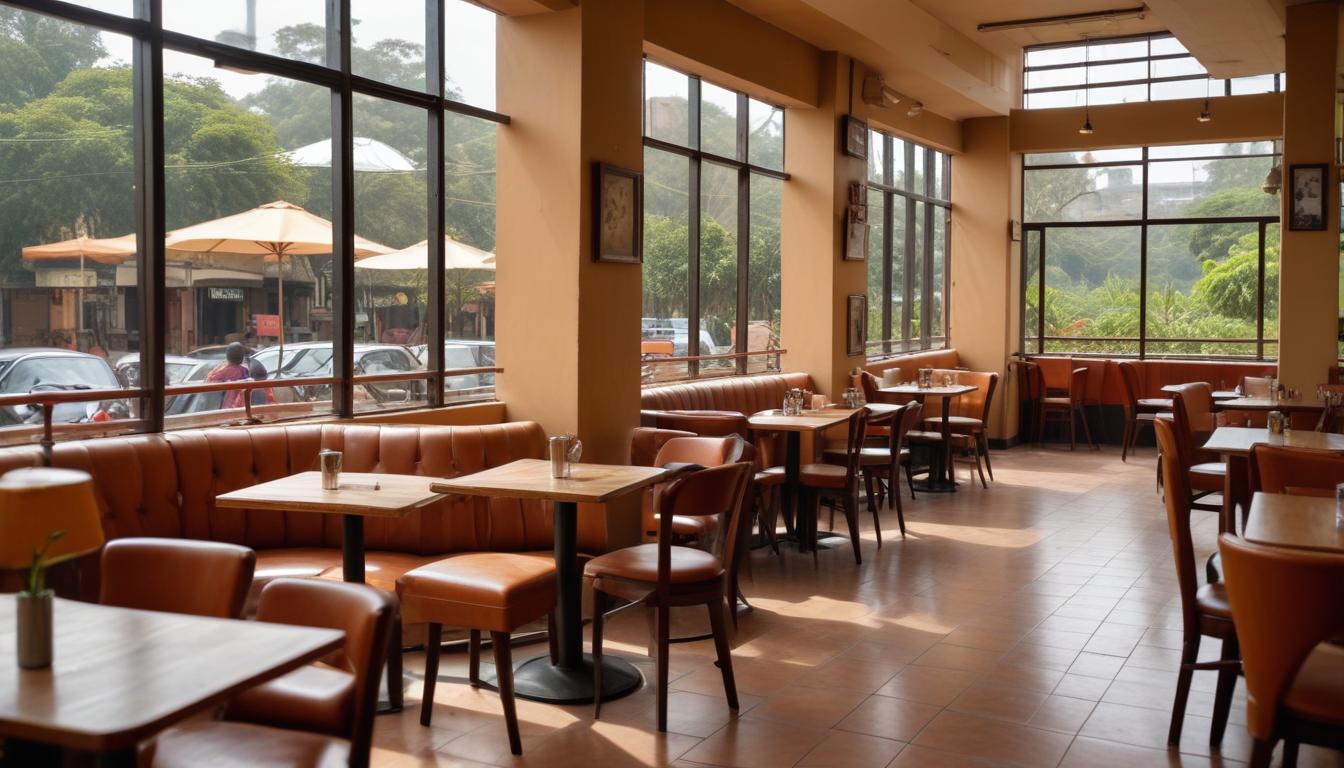
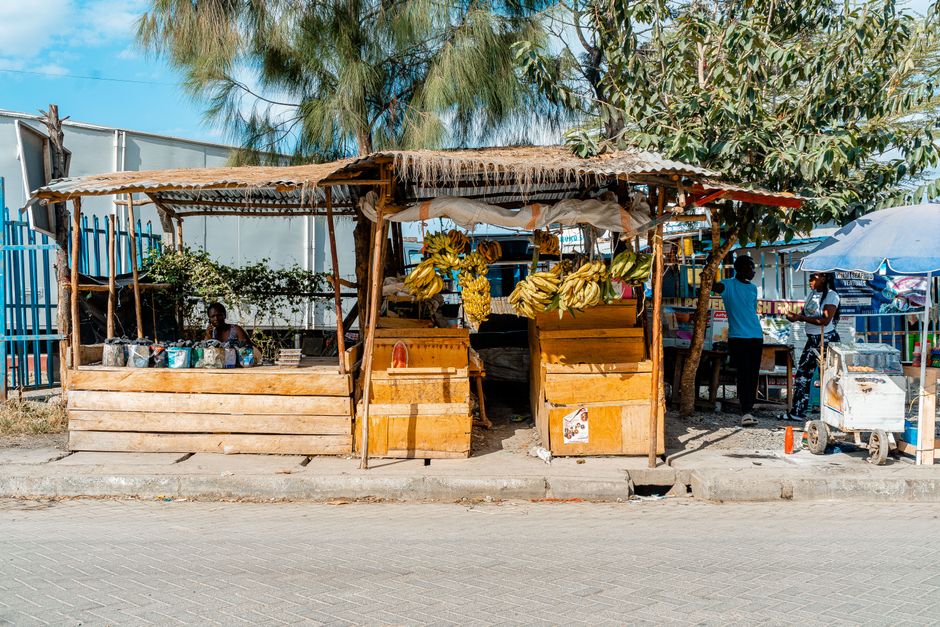
Walk down Westlands Road on any evening and you'll notice something that felt impossible two years ago: people lingering. Not rushing between offices or negotiating traffic, but actually stopping—at the new craft beer garden near ABC Place, the weekend farmers' market that's sprung up on Mpesi Lane, or one of the dozen independent coffee roasters that have colonised the side streets between Chiromo and State House Avenue.
Westlands, long dismissed by younger Nairobians as a sterile corporate hub, is experiencing a quiet renaissance. And locals say it's because the neighbourhood finally stopped fighting its identity and embraced what it always was: a genuine, walkable community where people live, work, and gather.
The transformation began in earnest around 2024, when the Nairobi City County completed the first phase of pavement rehabilitation along Westlands Avenue and Mpesi Lane. More importantly, they added cycle lanes and widened pedestrian walkways. "It sounds simple, but it changed everything," says Hassan, a commercial designer who moved into one of the new residential towers on Chiromo Lane last year. "Suddenly you could actually walk to lunch without feeling like you were dodging death."
Property values tell part of the story. According to Nairobi real estate analysts, rental rates for one-bedroom apartments in Westlands climbed roughly 12 per cent year-on-year through 2025 and early 2026, but not because of speculation—rather because the neighbourhood became genuinely desirable. A modest one-bed apartment now runs between 45,000 and 65,000 Kenyan shillings monthly, positioning it as more affordable than comparable units in Kilimani or Riverside.
But economics only explain part of the appeal. The real story is cultural. The opening of Gallery Watatu's satellite space near State House Crescent gave visual artists an accessible venue. Smaller restaurants—family-run joints serving everything from proper nyama choma to obscure regional Ethiopian dishes—replaced chain outlets. The Westlands Sports Club, long an exclusive enclave, began hosting community events. Even the chaotic energy of the matatu terminus on Mpesi became, in the eyes of creative types, authentically Nairobi in a way the polished malls never quite were.
"People realised they didn't need to escape Westlands to feel alive in the city," says one long-time resident. "Everything they wanted was here—proximity to work, decent restaurants, actual neighbours, not just building numbers."
For a neighbourhood that spent two decades apologising for existing, that's everything.
This article was compiled by AI from the sources linked above and screened before publishing. See our editorial standards.