Nairobi's Best Shopping Markets: What It Really Costs and How to Navigate Them Like a Local
From Eastleigh's bargain bazaars to Kibera's hidden gems, here's your insider guide to stretching your shillings while dodging the tourist traps.
From Eastleigh's bargain bazaars to Kibera's hidden gems, here's your insider guide to stretching your shillings while dodging the tourist traps.
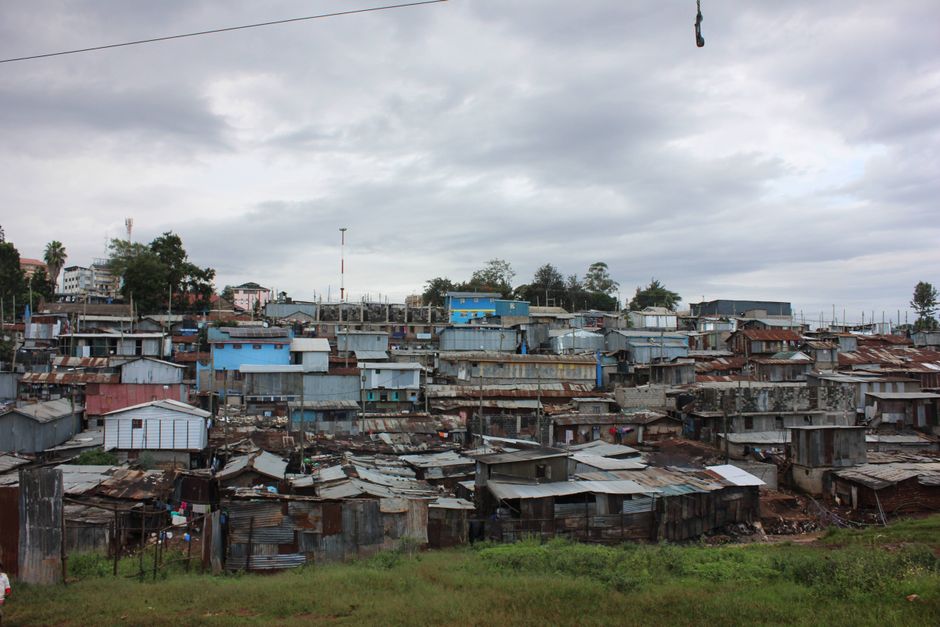
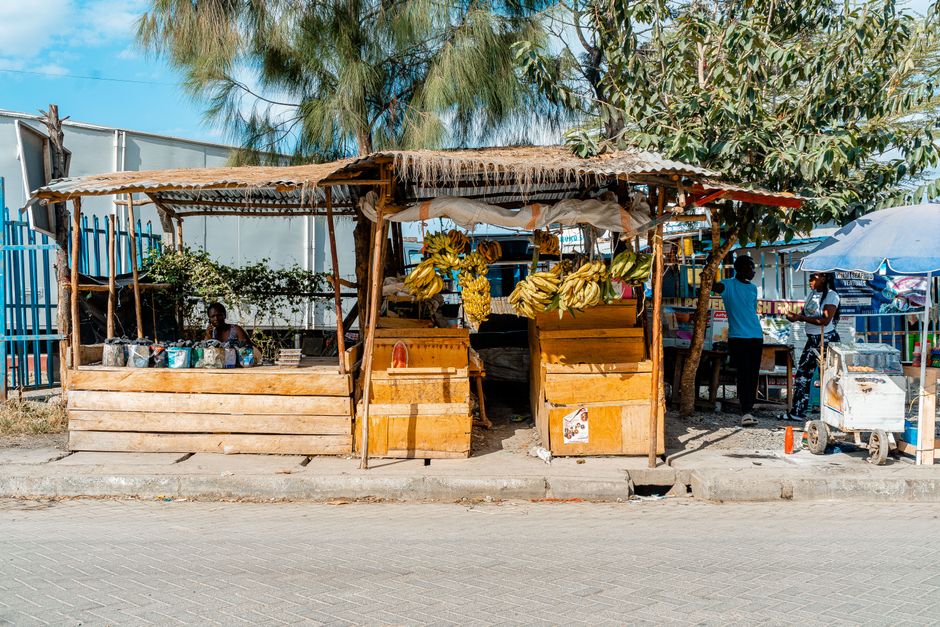
Nairobi's shopping markets pulse with energy, colour, and the kind of deals that make headlines in family group chats. But stepping into these sprawling retail ecosystems without a game plan is like navigating traffic on Mombasa Road blindfolded. Whether you're hunting for affordable fashion, electronics, or household goods, knowing the lay of the land—and your budget—is everything.
Start with Eastleigh, the neighbourhood that has become synonymous with bargain shopping. Located northeast of the city centre, this densely packed commercial hub sprawls across roughly 2 square kilometres and serves as Nairobi's de facto wholesale-to-retail gateway. You'll find clothing here at roughly 30-40% below mainstream retail prices, with t-shirts averaging 200-400 shillings and jeans ranging from 600-1,500 shillings depending on brand recognition. The trade-off? It's crowded, pickpocketing is rampant, and negotiation is non-negotiable. Arrive early—ideally before 10 a.m.—when vendors are fresher and stock is fuller.
For electronics and appliances, Nairobi's Computer Plaza along Kirinyaga Road remains the beating heart of the city's tech shopping scene. Prices here are competitive because volume is high, but comparison-shopping across multiple stalls is essential. A mid-range smartphone might cost 15,000-25,000 shillings depending on age and specs; the same device at a chain retail store could run 30% higher. Always ask for warranty documentation and test devices before handing over cash.
Gikomba Market in Pumwani, despite its rough reputation, offers genuine value for household items, fabrics, and second-hand goods. A quality kitenge fabric runs 400-800 shillings per metre here versus 1,200-2,000 elsewhere. However, security concerns are legitimate. Visit during daylight hours, travel with a companion, and leave valuables at home.
For fresh produce at wholesale prices, City Market in the CBD remains surprisingly relevant. Vegetables and fruits cost 20-30% less than supermarket equivalents, though quality varies. A kilogramme of tomatoes averages 80-150 shillings depending on season.
The golden rule across all Nairobi markets: cash is king, bargaining is expected, and your phone's mobile money app should stay in your pocket until you're ready to transact. Use ATMs before arriving, avoid displaying smartphones or jewellery, and dress down. Most importantly, budget an extra 15-20% for impulse purchases—Nairobi's markets have a way of revealing needs you didn't know you had.
This article was compiled by AI from the sources linked above and screened before publishing. See our editorial standards.
How does this story make you feel?
Spread the word
About this article
Published by The Daily Nairobi
Daily brief
Free, in your inbox before 7am. Weekdays.
More in lifestyle