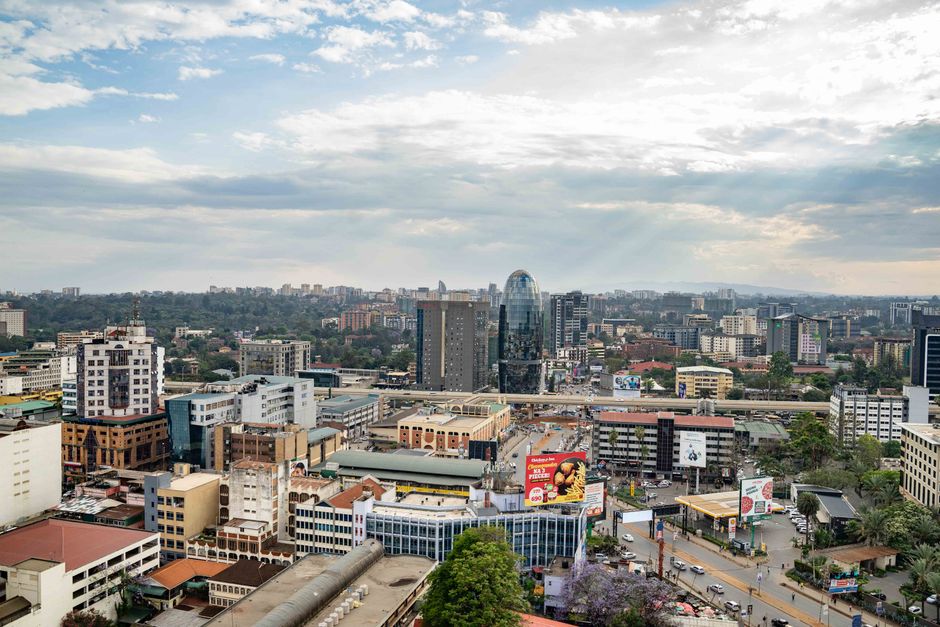
Relocating to a new city demands more than a furnished apartment and a gym membership. For the growing wave of expats choosing Nairobi over more traditional hubs, the decision hinges on something far more intangible: a city that operates at the intersection of African dynamism, cosmopolitan sophistication, and unfiltered creative possibility.
Consider what separates Nairobi from its regional competitors. Unlike Cape Town's seasonal volatility or Lagos's infrastructure constraints, Nairobi offers year-round accessibility. Giraffe Centre sits just 20 minutes from Westlands. Nairobi National Park—where lions roam with skyscrapers visible in the distance—operates daily, making wildlife encounters a weekend reality rather than a once-per-year expedition. Few global cities offer this proximity to untamed Africa without sacrificing urban amenities.
The digital economy here moves differently. While Bangkok attracts digital nomads through cost-of-living arbitrage, Nairobi's tech ecosystem—centred around the thriving hubs in Kilimani and the emerging spaces along Chiromo Road—draws entrepreneurs building pan-African solutions. The city hosts Africa's densest concentration of venture capital and has birthed companies with continental reach. A one-bedroom apartment in Kilimani runs approximately 120,000-180,000 KES monthly (€850-1,280), far steeper than Southeast Asian equivalents, but justified by proximity to serious professional networks.
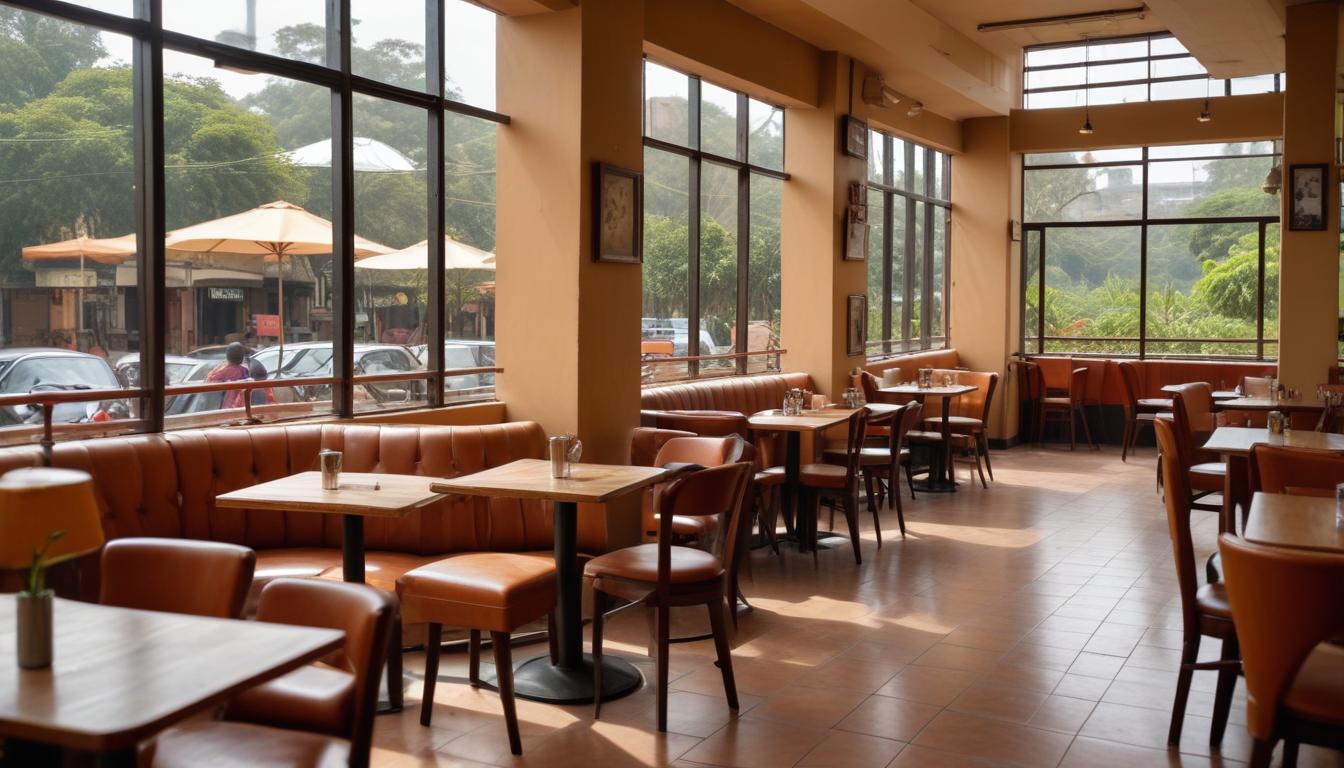
Then there's the social fabric. Expat communities in Singapore or Dubai can feel transactional. Nairobi's mix—Kenyan returnees, East African professionals, global remote workers, and legacy expatriates—creates a genuinely collaborative culture. Thursday evenings at venues along Kisumu Street or weekend brunches in Karen generate organic friendships rather than surface networking.
The cultural texture proves equally distinctive. You'll encounter live jazz at Carnivore Restaurant on a Friday, catch East African cinema at the Nairobi Film Festival, or explore contemporary African art at galleries clustered around the Karen neighbourhood. This creative density rivals cities three times its size, yet remains accessible rather than gatekept.
What distinguishes Nairobi most sharply, however, is its unfinished quality. Unlike mature expat destinations with rigid social hierarchies and established hierarchies, Nairobi remains genuinely open. Your professional background matters less than your willingness to engage authentically. The city rewards those who see relocation not as escape, but as participation in something genuinely in motion.
The city isn't perfect—traffic on the Southern Bypass during rush hours rivals anywhere globally, and security consciousness remains essential. But for relocators tired of predictable metropolitan formulas, Nairobi offers what others cannot: the chance to belong to a city actively reimagining itself, rather than simply passing through one.
This article was compiled by AI from the sources linked above and screened before publishing. See our editorial standards.