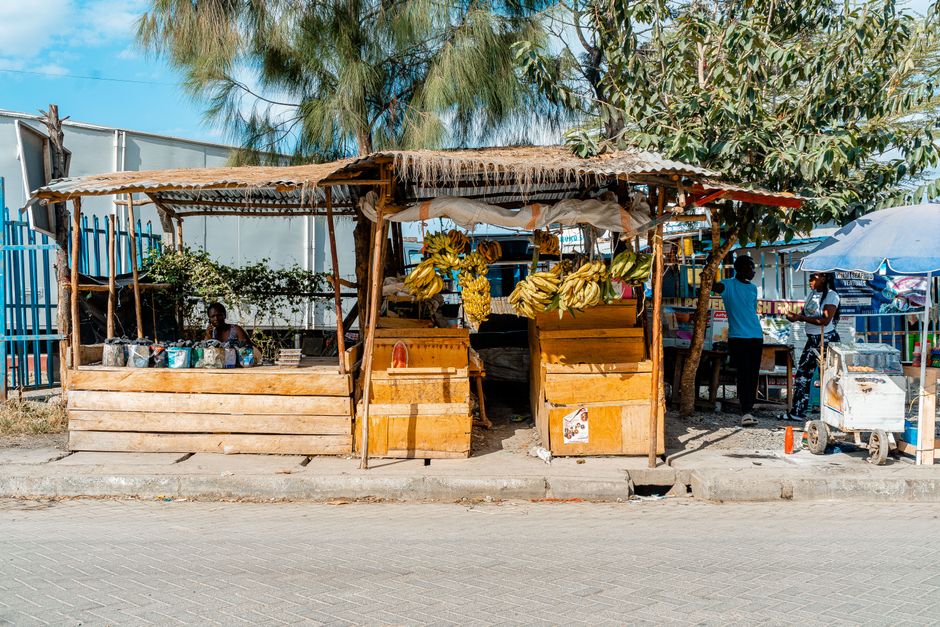
From Airport to Adventure: Your Practical Guide to Settling In and Enjoying Nairobi
New to Kenya's capital? Here's how to navigate neighbourhoods, master transport, and discover the city's best-kept secrets like a seasoned resident.
New to Kenya's capital? Here's how to navigate neighbourhoods, master transport, and discover the city's best-kept secrets like a seasoned resident.

Touching down in Nairobi can feel overwhelming. You're surrounded by unfamiliar faces, chaotic traffic, and endless possibilities. But within weeks, thousands of expats have discovered that Nairobi isn't just liveable—it's genuinely enjoyable. Here's your roadmap to going from disoriented newcomer to confident explorer.
First: Find Your Neighbourhood
Your choice of area shapes everything. Westlands and Parklands offer proximity to offices, restaurants, and the Nairobi Serena Hotel's shopping district—expect rent from KES 80,000-150,000 monthly for a one-bedroom apartment. For tree-lined calm, Upper Hill and Kilimani deliver residential vibes with easy access to Nairobi National Park's back gate. Kileleshwa appeals to younger professionals seeking nightlife on Mpaka Road. Karen and Langata suit families; you'll pay premium prices but gain space and green surroundings. The Nairobi City Hoppa bus network connects most areas at KES 50-100 per journey, though Uber and local taxis remain faster options.
Master Transport Realities
Accept this: Nairobi traffic is legendary. Plan 45 minutes minimum for a 10km journey during peak hours (7-9am, 4-7pm). Download local apps like Uber, Bolt, and Beat before arriving. For daily commuting, many residents invest in motorcycles (boda-bodas) for navigating congestion, or carpool through workplace networks. The Standard Gauge Railway connects the airport to central Nairobi in 30 minutes for KES 1,000—invaluable for orientation and avoiding initial driving stress.
Essential First Moves
Get a Safaricom SIM card at any shop (roughly KES 500). Register with your embassy. Visit a local hospital—MP Shah or The Nairobi Hospital—and secure travel insurance. Open a bank account; most expats use Equity Bank or KCB for accessibility and English-speaking staff. Join expat groups on Facebook and Meetup; they'll direct you to everything from plumbers to weekend hiking groups up Ngong Hills.
Discover Beyond the Tourist Trail
Skip the usual suspects initially. Instead, explore Matbronze on Ngong Road for contemporary Kenyan art, grab coffee at Brew Bistro in Kilimani, or catch live music at The Bomas of Kenya for authentic cultural programming. Nairobi's food scene ranges from street-level nyama choma on Koinange Street (KES 300-400 per portion) to fine dining at Carnivore or Tamarind. Weekend trips to Nairobi National Park or the Giraffe Centre make excellent orientation outings.
Network Aggressively
Attend industry meetups, expat brunches, and workplace social events. Your first month should focus on building your immediate community. Most established residents are remarkably helpful to newcomers—they remember their own arrival nerves.
Nairobi rewards curiosity. Give yourself three months before judging the city; most residents report that's precisely when it clicks.
This article was compiled by AI from the sources linked above and screened before publishing. See our editorial standards.
How does this story make you feel?
Spread the word
About this article
Published by The Daily Nairobi
Daily brief
Free, in your inbox before 7am. Weekdays.
More in lifestyle