The Faces Behind the Classroom Door: How Nairobi's Parents and Teachers Are Redefining Family Life
From Karen to Kibera, the people shaping our children's futures reveal what it truly means to raise a family in Africa's most dynamic city.
From Karen to Kibera, the people shaping our children's futures reveal what it truly means to raise a family in Africa's most dynamic city.
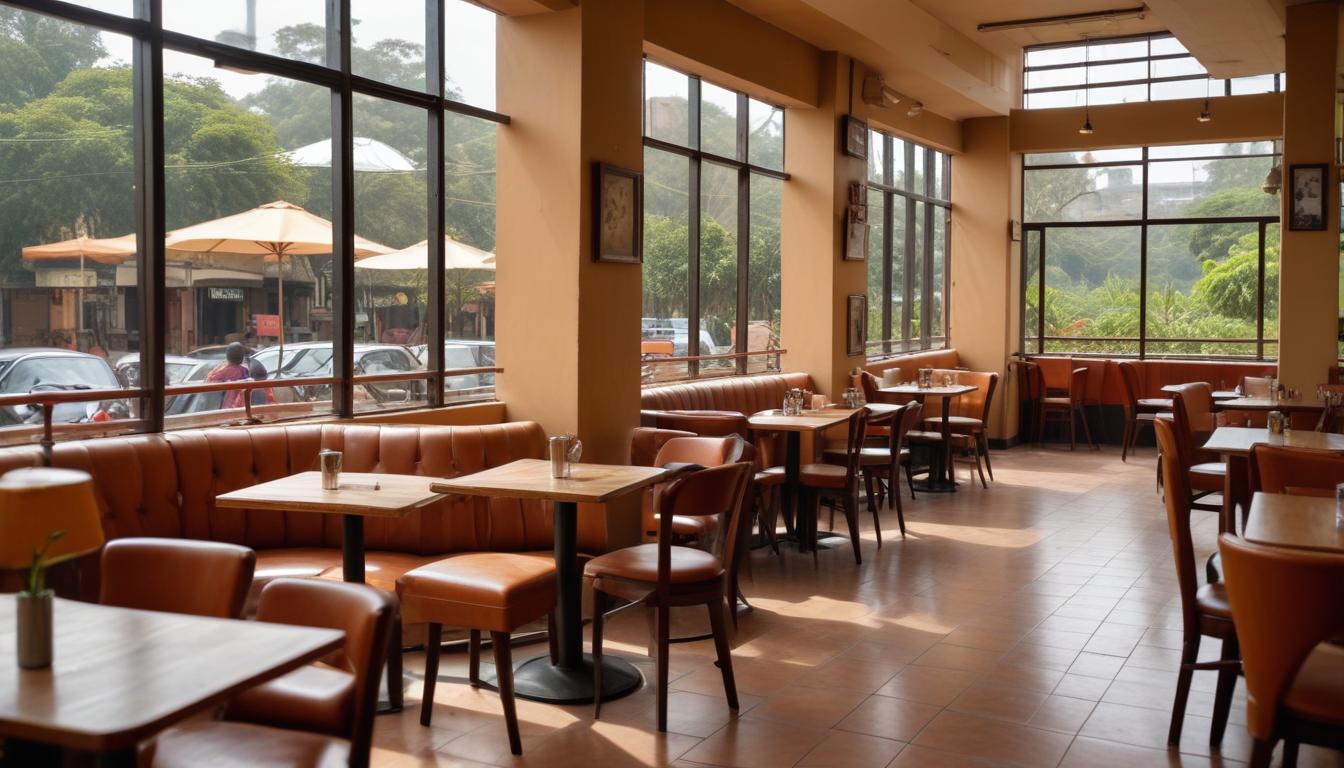
On a Tuesday morning in Westlands, as traffic crawls along Limuru Road, a mother sits in a gleaming coffee shop reviewing her daughter's school fees invoice—Sh285,000 per term at one of the city's top private institutions. Fifteen minutes away, in Mathare, a single father manages school costs of Sh12,500 monthly at a community-supported primary school, stretching every shilling. Both are fixtures of modern Nairobi parenting, where the gap between school fees and family circumstances can feel as vast as the distance between Kilimani and Kawangware.
Yet across these neighbourhoods, a quieter revolution is happening. Parents are connecting beyond WhatsApp school groups. Teachers are innovating despite resource constraints. Families are discovering that raising children in Nairobi in 2026 means navigating a city that demands both ambition and flexibility.
At a modest hall near Nairobi School in Upperhill, working parents gather monthly for parenting workshops. The sessions address screen time, nutrition costs, and managing anxiety in high-pressure academic environments. "We're all trying to figure this out," says one coordinator. "Nairobi moves so fast—sometimes parents feel they're raising kids in an airport, not a home."
The statistics tell part of the story. Kenya's current secondary school enrolment rate hovers around 52%, with Nairobi County significantly above the national average, yet urban costs remain prohibitive for thousands. Tuition ranges from Sh8,000 annually at public schools to Sh1.2 million at international institutions, creating stark educational divides within the same city.
But what animates the real story are the faces. The teacher in Kibera staying late to tutor struggling students without extra pay. The parent juggling retail work and evening university classes while helping kids with homework. The school counsellor at a Parklands institution working to destigmatize mental health conversations in a culture where pressure to excel is relentless.
Coffee shops from Java House Sarit Centre to smaller joints in Kilimani have become informal support networks where parents share school recommendations, nutrition tips, and strategies for maintaining sanity during exam season. These spaces—both physical and digital—are where Nairobi's parenting culture actually lives.
What makes this city special isn't perfection. It's the determination of imperfect people trying their best. It's the recognition that whether your child attends Brookhouse or a neighbourhood public school, the stakes feel equally high. And it's the slow understanding spreading across Nairobi's divers communities that raising the next generation here requires not just resources, but solidarity.
This article was compiled by AI from the sources linked above and screened before publishing. See our editorial standards.
How does this story make you feel?
Spread the word
About this article
Published by The Daily Nairobi
Daily brief
Free, in your inbox before 7am. Weekdays.
More in lifestyle