Five years ago, Westlands meant one thing to relocating expats: high-rise office towers, expensive rents, and a strictly 9-to-5 corporate grind. Today, the neighbourhood sprawling between Nairobi's business district and Karen's leafy suburbs is undergoing a quiet but unmistakable metamorphosis—one driven by the global shift toward flexible working and the explosion of Kenya's tech and creative sectors.
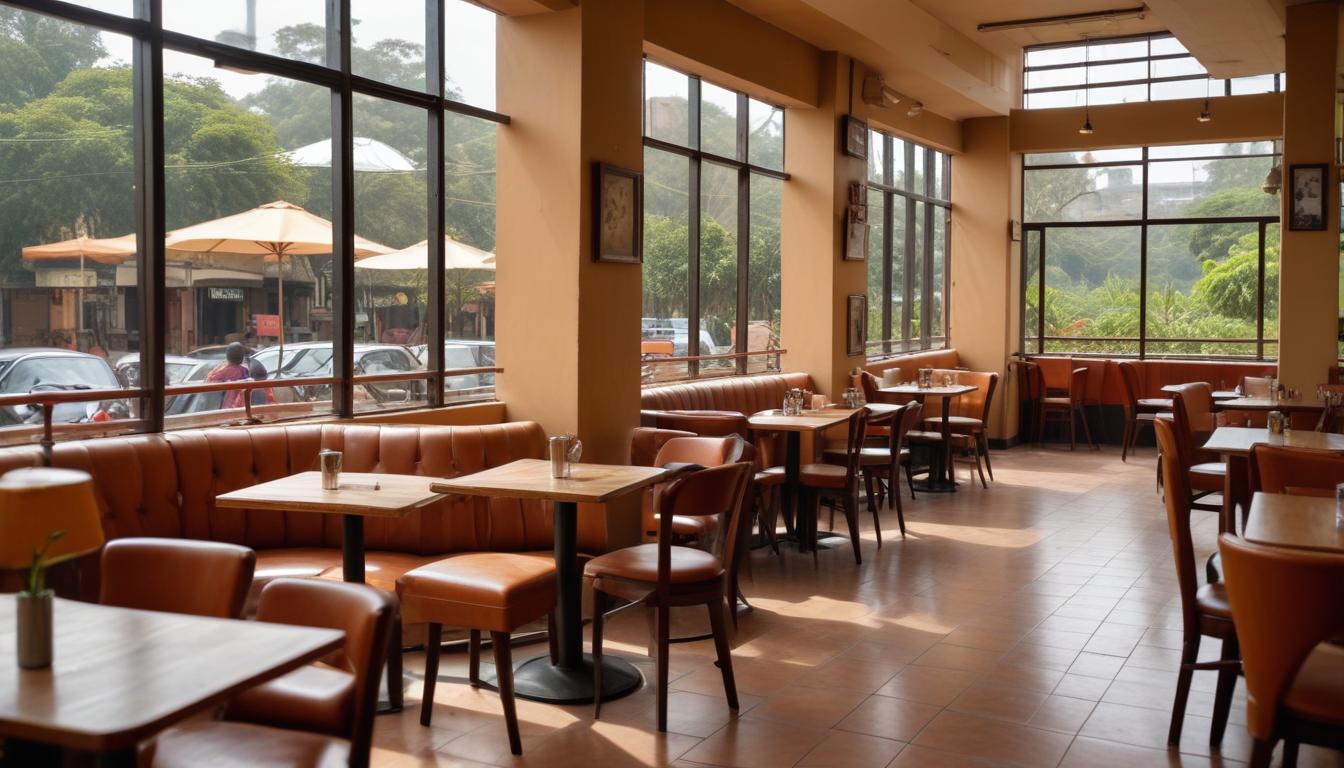
The transformation is visible on the ground. Along Mpesi Lane and around the Sarit Centre, traditional serviced offices have given way to sprawling coworking spaces designed as much for networking over artisan coffee as for focused work. Properties like those along Westlands Avenue now advertise hot-desking memberships ranging from 8,000 to 25,000 shillings monthly—undercutting the corporate lease market by 40 per cent. Meanwhile, the neighbourhood's restaurant and café culture has exploded accordingly, with everything from Japanese ramen bars to vegan-focused eateries clustering near workspace hubs, responding to younger expat professionals who value lifestyle alongside location.
"What's changed is the demographic," explains the relocation experience across major firms operating here. Where Westlands once attracted established corporate expats with family postings, it now draws digital nomads, startup founders, and mid-career professionals seeking flexibility. Short-term furnished apartments—once difficult to secure—now number in the hundreds, with rental platforms reporting average monthly rates of 85,000 to 150,000 shillings for one-bedroom units, down from peaks of 200,000 shillings in 2023.
The neighbourhood's evolution reflects broader Nairobi trends. Kenya's startup ecosystem—valued at over $1 billion annually according to recent tech industry reports—has magnetised younger expats seeking venture capital opportunities and entrepreneurial communities. Westlands' proximity to both the central business district and emerging tech hubs in Kilimani makes it an ideal landing zone.
For newcomers arriving today, Westlands offers practical advantages that barely existed two years ago: reliable co-working memberships, weekend-friendly gyms and wellness studios, and an exploding food scene catering to international palates. The catch? The neighbourhood is visibly busier. Traffic on Mpesi Lane during peak hours now rivals central business district gridlock, and the explosive building development means noise and construction remain constants.
The shift suggests Westlands is no longer simply Nairobi's corporate address—it's becoming the city's primary landing pad for modern remote workers, where flexibility, community, and lifestyle amenities matter as much as office infrastructure.
This article was compiled by AI from the sources linked above and screened before publishing. See our editorial standards.