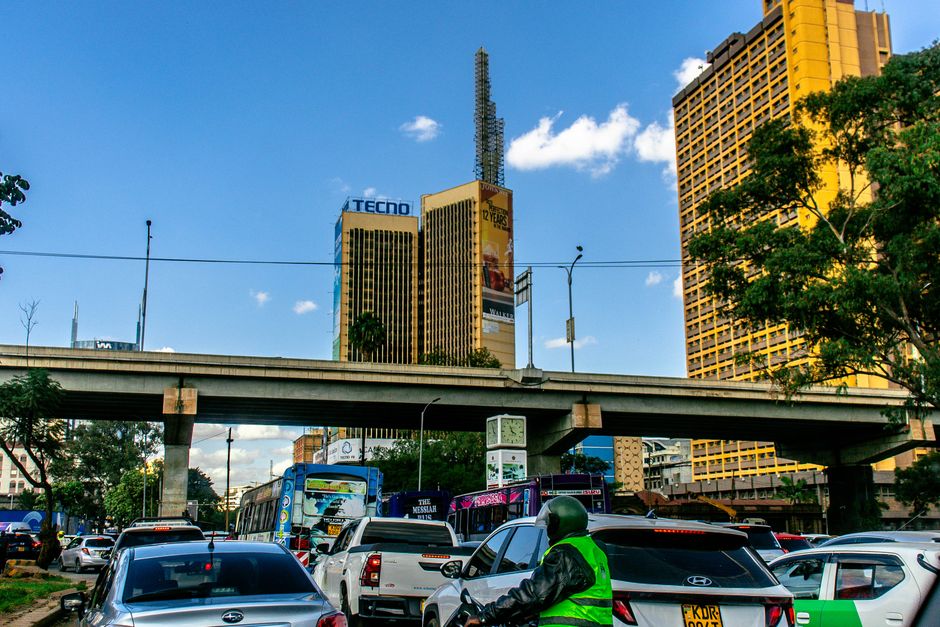
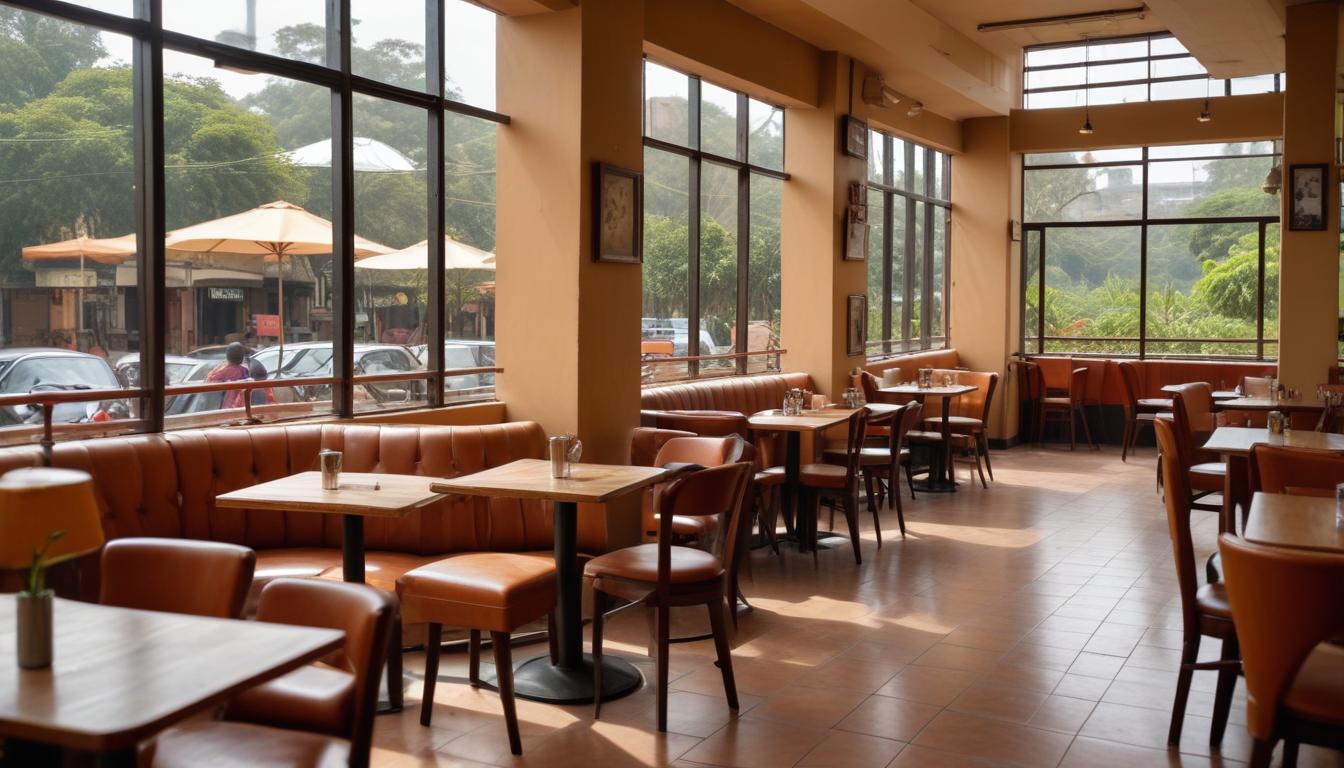
Walk down Kiambu Road on a Friday night and you'll witness something increasingly rare in global nightlife: a genuine mixing of economic classes, ages, and backgrounds gathered for beer, conversation, and live music. This democratic approach to socialising—where a CEO might share a table with a startup founder, a student, and a visiting journalist—defines Nairobi's bar culture in ways that London's exclusivity or Dubai's velvet-rope mentality simply cannot match.
The numbers tell part of the story. Nairobi hosts over 2,000 registered bars and lounges, yet the average bottle of beer costs between 200-300 shillings, making nightlife accessible in a way it isn't in most comparable African or global cities. This affordability has created an unusual phenomenon: the emergence of what locals call "social hubs" rather than mere drinking establishments. Venues in Kilimani, Karen, and Upper Hill function as de facto community centres where ideas flow as freely as craft beers from the burgeoning local brewery scene.
What truly distinguishes Nairobi's nightlife is its evolution as a genuine creative ecosystem. The rooftop bars dotting the Westlands skyline—overlooking the sprawling cityscape toward the Nairobi National Park—offer vistas that rival any global destination, while maintaining decidedly local sensibilities in their programming. Live performances by Kenyan musicians, DJs spinning Afrobeats alongside international hits, and art installations curated by local creatives create an authenticity that feels earned rather than exported.
Unlike Singapore's controlled precision or New York's commodified cool, Nairobi's bar scene retains an element of spontaneity. A venue on the cusp of the Nairobi River Basin might host everything from acoustic folk nights to electronic dance parties within the same week, reflecting the city's entrepreneurial chaos and cultural agility. This unpredictability—sometimes chaotic, always energetic—attracts a particular type of traveller and local: those seeking genuine human connection over Instagram moments.
The post-pandemic recovery also reshaped the landscape. Health-conscious social venues in areas like Westlands and along the newly developed stretches of Kilimani introduced garden bars and wellness-integrated spaces—a trend that predates similar movements in Europe and North America by years. Nairobi's entrepreneurs simply adapted, creating outdoor spaces where conversation matters more than consumption.
For the global traveller or returning Kenyan, Nairobi's nightlife scene represents something increasingly precious: a city where sophistication and accessibility coexist, where tradition influences innovation, and where a night out genuinely feels like stepping into the city's living, breathing heart rather than its polished facade.
This article was compiled by AI from the sources linked above and screened before publishing. See our editorial standards.