Whether you're hunting for a designer handbag at half price or hunting down quality produce, Nairobi's shopping markets demand strategy. The difference between a savvy haul and buyer's remorse often comes down to knowing where you're going, what you'll spend, and crucially, what time of day you arrive.
Start with Gikomba—the city's largest open-air market sprawling across River Road and Koinange Street in the CBD. Expect chaos, footpicks, and extraordinary value. A quality pair of jeans runs 800-1,500 shillings; designer knockoffs cost less. Pro tip: arrive by 7 AM before crowds swell. Security presence is robust, but pickpocketing remains a concern. Leave expensive jewellery at home and keep bags zipped.
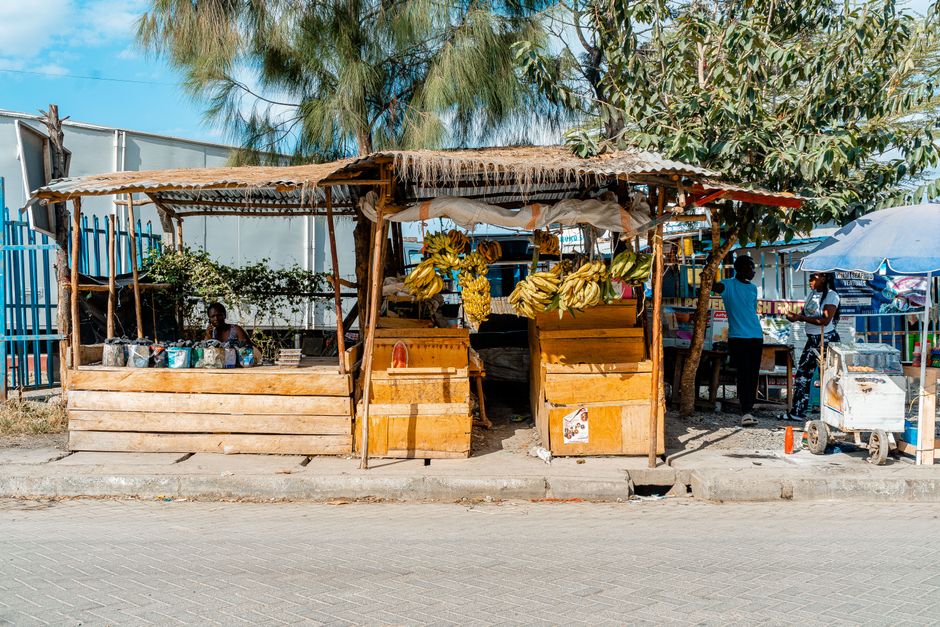
For a more curated experience, Nairobi City Market on Muindi Mbingu Street offers organised stalls across three floors. Fabrics, spices, souvenirs, and fresh produce occupy distinct zones. Budget 500-2,000 shillings for most items. The ground floor fruit section is reliably fresher than surrounding street vendors, and you'll encounter fewer aggressive sellers than Gikomba.
Westlands, particularly along Mpesi Lane and around Sarit Centre, attracts a different crowd. High-end boutiques, vintage shops, and lifestyle stores cluster here. Prices reflect quality and location—a decent craft item costs 2,500-5,000 shillings, designer wear significantly more. But Westlands also hosts emerging local brands offering exceptional value for money, particularly in fashion and homeware.
For electronics and mobile phones, Nairobi's computer district around Tom Mboya Street remains unmatched for pricing, though authenticity verification is essential. Budget time for haggling—it's expected and necessary. Bring cash; mobile money works but cash commands better prices.
Accessibility varies dramatically. Gikomba and City Market operate daily, 6 AM to 6 PM roughly, though Friday-Saturday sees peak footfall and congestion. Westlands venues keep extended hours, often trading until 8 PM weekdays. Sunday closures are standard across most traditional markets.
Safety requires commonsense: visit in daylight, avoid carrying large sums, dress inconspicuously, and use trusted taxis or ride-hailing apps rather than walking at dusk. Parking at Nairobi City Market costs 200-300 shillings; Gikomba offers informal parking around 100-150 shillings with significant risk.
The golden rule? Go early, bring cash, ask prices before touching merchandise, and never feel obligated to buy. Nairobi's markets reward patience and local knowledge—exactly what separates experienced shoppers from frustrated tourists paying double.
This article was compiled by AI from the sources linked above and screened before publishing. See our editorial standards.