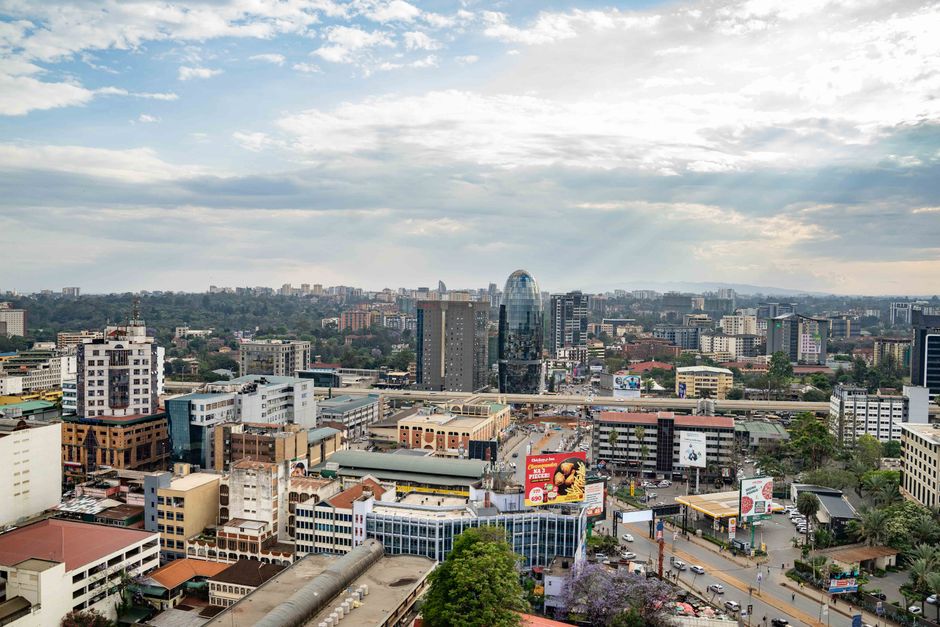
Getting to work in Nairobi is not simply a matter of catching a bus or hailing a taxi. It is a daily negotiation with a transport system that operates according to unwritten rules, economic realities, and an entrepreneurial spirit that makes this city fundamentally different from global peers like Lagos, Cairo, or Bangkok.
The matatu remains the lifeblood of Nairobi's commuting culture—a distinction that separates the city from most developed metropolises and even many African capitals. These colorfully decorated minibuses, operating on fixed but flexible routes from Nairobi's transport hubs like Nairobi Station, Jamburi Park, and the Westlands terminus, move an estimated 60 percent of the city's daily commuters. A ride from Central Business District to Karen costs between KES 50-150 depending on traffic and negotiation. This informal-formal hybrid model, where unregistered routes coexist with regulated ones, is quintessentially Nairobi.
Where cities like Singapore or Stockholm invested in centralized rapid transit systems decades ago, Nairobi's transport evolution has been bottom-up and market-driven. The Nairobi Metropolitan Area Transport Authority (NaMaTA) struggles to regulate what residents have already optimized themselves. A commuter from Eastleigh to Kilimani might combine a matatu, a boda-boda motorcycle taxi (KES 30-50 per journey), and a personal vehicle depending on weather, time, and mood—a flexibility that shocked planners expecting linear adoption of formal systems.
The emergence of ride-hailing apps like Uber and Bolt initially promised to formalize this chaos. But Nairobi residents adapted differently than their counterparts in other cities. Rather than replacing matatus, digital platforms complemented them. The average Nairobian uses three to four different commuting modes weekly, a pattern transportation researchers link specifically to Nairobi's unique topography, informal settlements interspersed with formal neighborhoods, and economic inequality that makes single-mode systems impractical.
What truly sets Nairobi apart is the social dimension. The matatu is not just transport; it is social infrastructure. Daily commuters exchange news, do business, find romance, and process current events—from the shootings in Germany to the Venezuela earthquake—in these metal boxes crawling along Langata Road or Thika Superhighway. This human ecosystem barely exists in automated, app-based systems elsewhere.
Even as the Bus Rapid Transit system expands from its Nairobi–Mombasa corridor beginnings, the city resists neat categorization. Nairobi commuting remains stubbornly analog, stubbornly social, and stubbornly local—precisely what makes it irreplaceable in global conversations about urban mobility.
This article was compiled by AI from the sources linked above and screened before publishing. See our editorial standards.