Behind Every Glass: The Faces Making Nairobi's Nightlife a Living, Breathing Community
From Westlands to Kilimani, the bartenders, regulars, and dreamers reshaping how the city plays after dark.
From Westlands to Kilimani, the bartenders, regulars, and dreamers reshaping how the city plays after dark.
On any given Friday night, Nairobi's bar scene hums with a particular kind of energy—one that has less to do with cocktail trends or Instagram aesthetics, and everything to do with the people who've made these spaces their second homes.
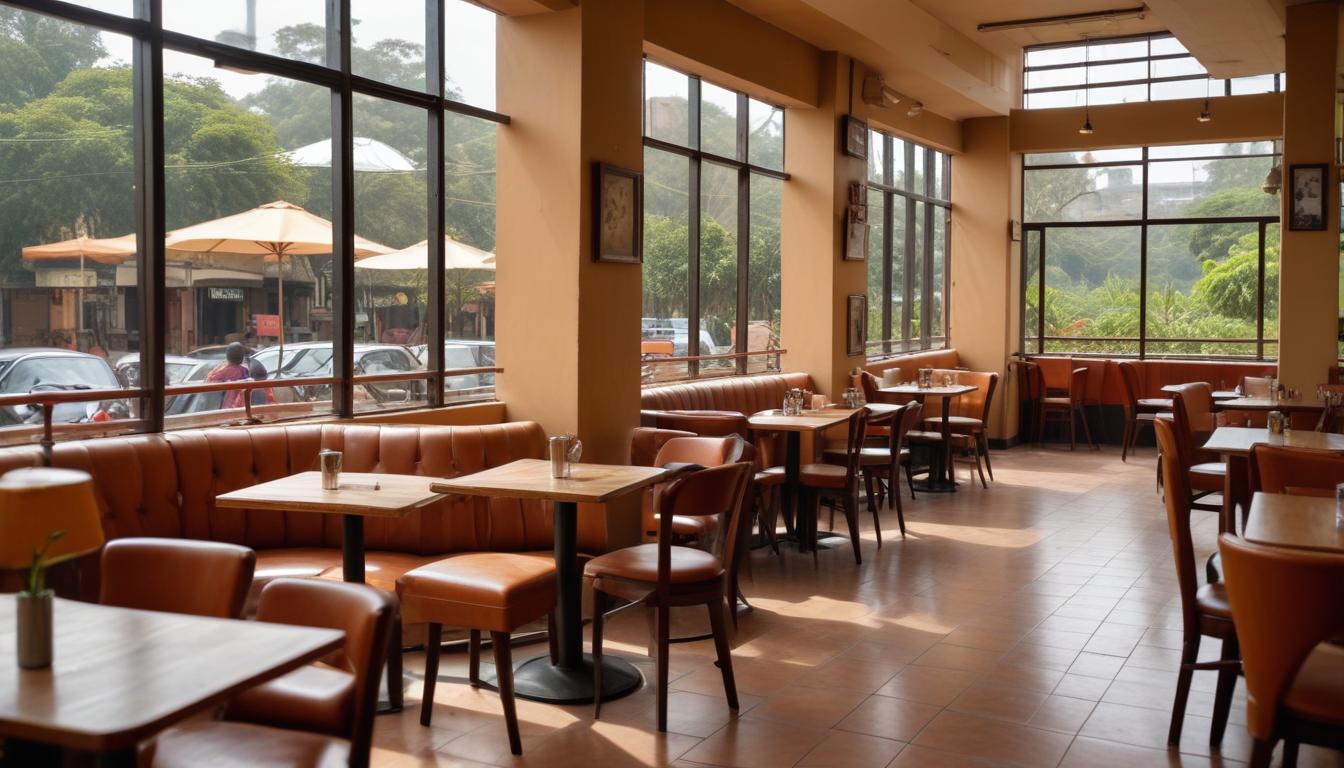
Walk into the compact venues lining River Road or venture into the quieter cocktail bars tucked behind Karen's tree-lined avenues, and you'll find something the global nightlife industry often misses: genuine community. These are spaces where a software engineer from the tech corridor in Kilimani sits shoulder-to-shoulder with a musician nursing a Tusker, where a young entrepreneur pitches her startup idea to a potential investor over craft beer, where regulars have names for their usual seats.
The economics tell part of the story. Nairobi's bar industry, valued at approximately 45 billion shillings annually according to hospitality sector analysts, employs an estimated 28,000 people directly and supports countless more through supply chains. But numbers fail to capture what makes this sector tick: the resilience of bar owners adapting to shifting consumer preferences, the skill of mixologists who've trained internationally but chosen to build their names here, and the loyalty of patrons who treat their local haunts as sanctuaries from the city's relentless pace.
In Westlands, established bars continue to evolve beyond their early-2000s reputation, attracting professionals seeking substantive social connection rather than mere spectacle. Meanwhile, emerging venues in Nairobi West and along the newly revitalized sections of Moi Avenue are drawing younger crowds—Gen Z creatives and entrepreneurs reshaping what a night out means in Nairobi: less about status, more about authenticity.
The bartenders themselves form an invisible backbone. Many have elevated their craft over the past five years, attending international competitions and bringing global standards back to local bars. Yet they remain fundamentally rooted in understanding their clientele—knowing not just drink preferences but life circumstances, celebrating promotions, and providing a listening ear during rough patches.
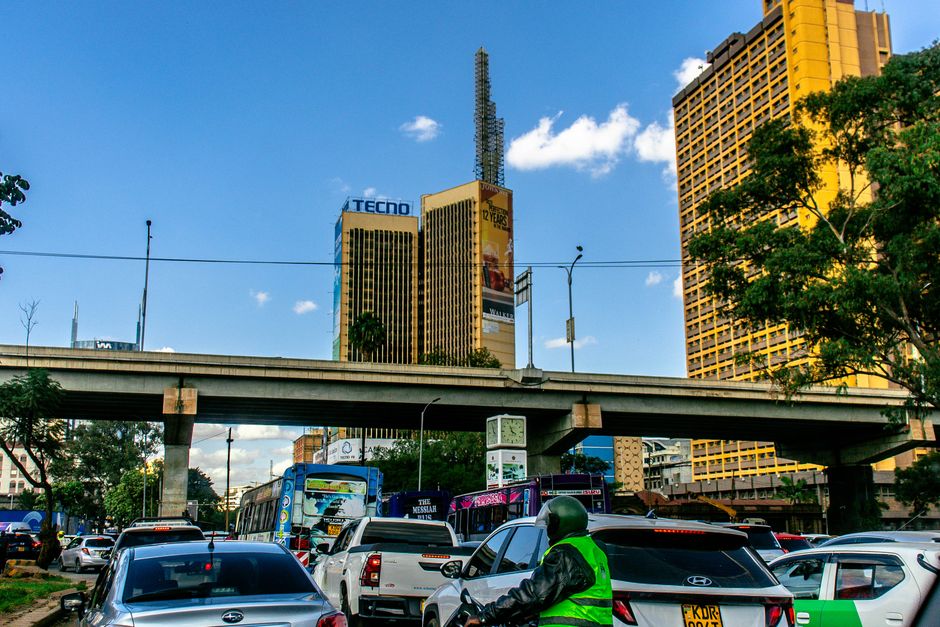
What distinguishes Nairobi's nightlife from other major African cities is precisely this human dimension. As the city continues its rapid transformation—new office towers rising, population swelling, wealth concentrating—these bars and their communities offer something increasingly precious: places where the pace slows, where faces become familiar, where strangers become friends across a shared glass.
It's easy to overlook. But step into any neighborhood bar on a Tuesday evening and you'll see the real story: Nairobi's nightlife isn't made by venues or alcohol or even music. It's made by the faces that keep coming back.
This article was compiled by AI from the sources linked above and screened before publishing. See our editorial standards.
How does this story make you feel?
Spread the word
About this article
Published by The Daily Nairobi
Daily brief
Free, in your inbox before 7am. Weekdays.
More in lifestyle