On any given Saturday morning, the soul of Nairobi emerges not in its gleaming business districts but in the quieter corners where neighbourhoods reveal their true character. This weekend, as many residents seek refuge from the capital's frenetic pace, the city's distinct enclaves offer far more than routine leisure—they offer windows into how Nairobi's diverse communities actually live.
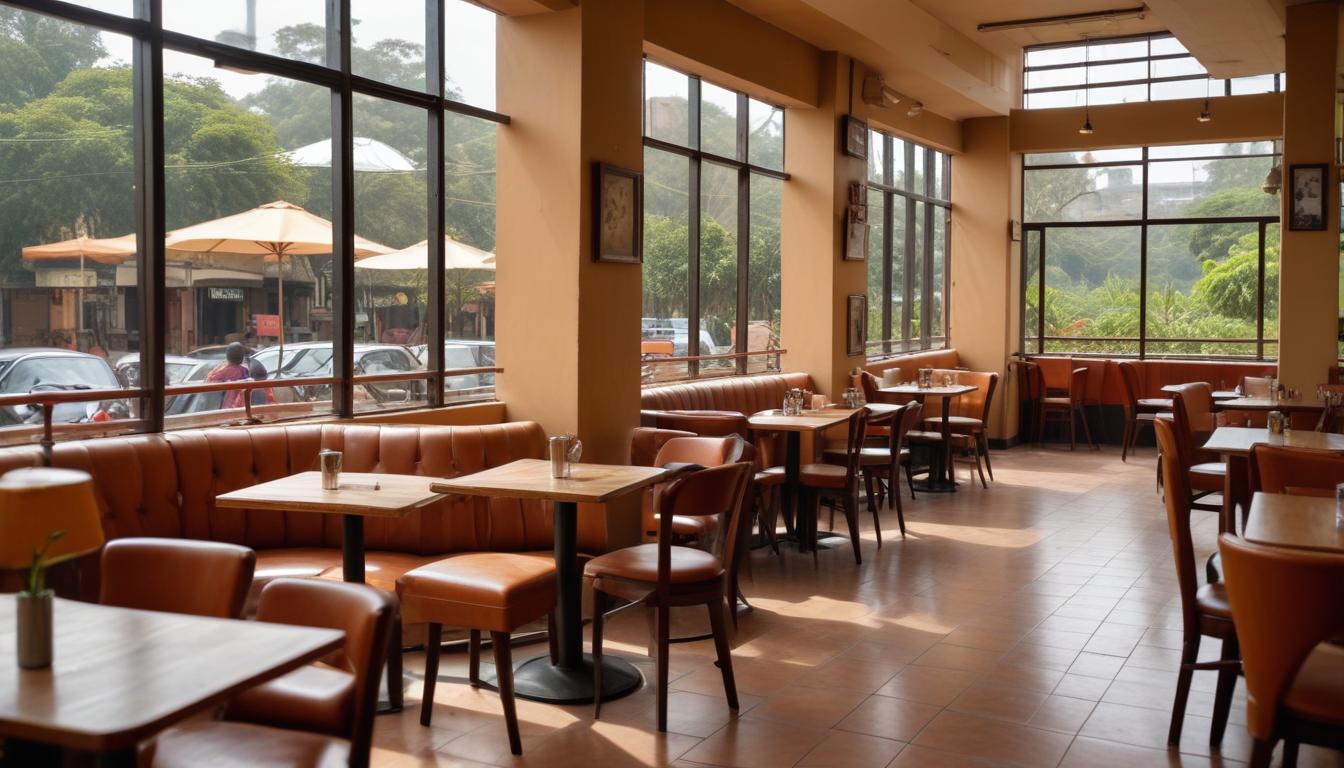
Start in Westlands, where the neighbourhood's transformation over the past five years has created an unlikely hub of creative energy. The tree-lined streets around Mpesi Lane now host a growing constellation of independent coffee roasteries and design studios. Saturday mornings here pulse with young professionals and creatives spilling onto pavements with laptops and conversation. A flat white at one of the neighbourhood's artisan cafés runs between 350-450 shillings, but what you're really paying for is proximity to neighbours who've chosen to build something intentional.
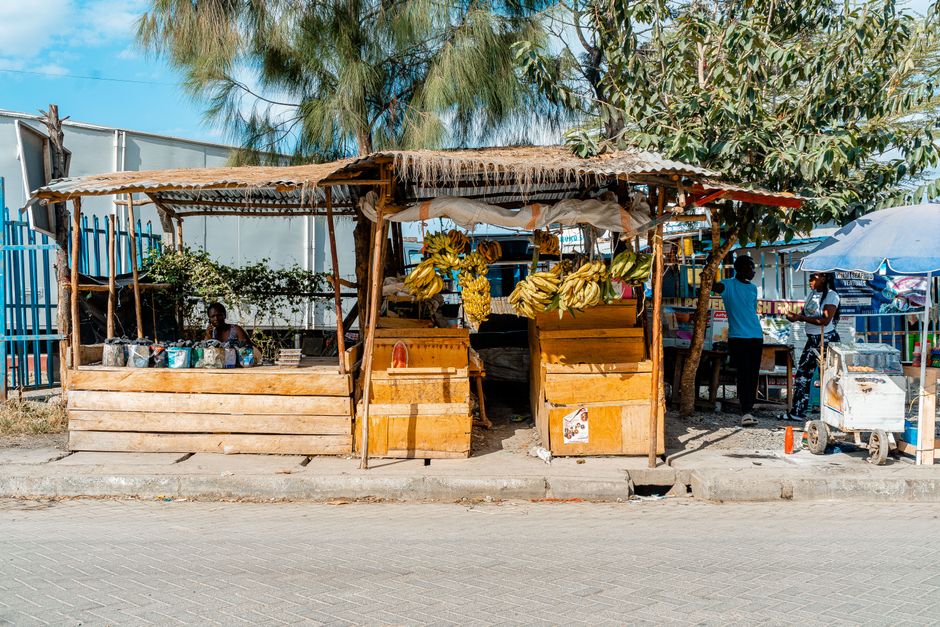
Shift southeast to Karen, where the weekend rhythm tells a different story entirely. The Karen Blixen Museum sits at the heart of a neighbourhood that maintains its colonial-era gardens and slower pace. But beyond the historic tourism, Karen's true character emerges at the weekly farmers' markets along Karen Road, where smallholder farmers from surrounding areas sell directly to residents. The community here—drawn largely from middle to upper-income families seeking breathing room—has cultivated a particular kind of village-within-the-city identity that manifests in neighbourhood conservation efforts and school fundraisers.
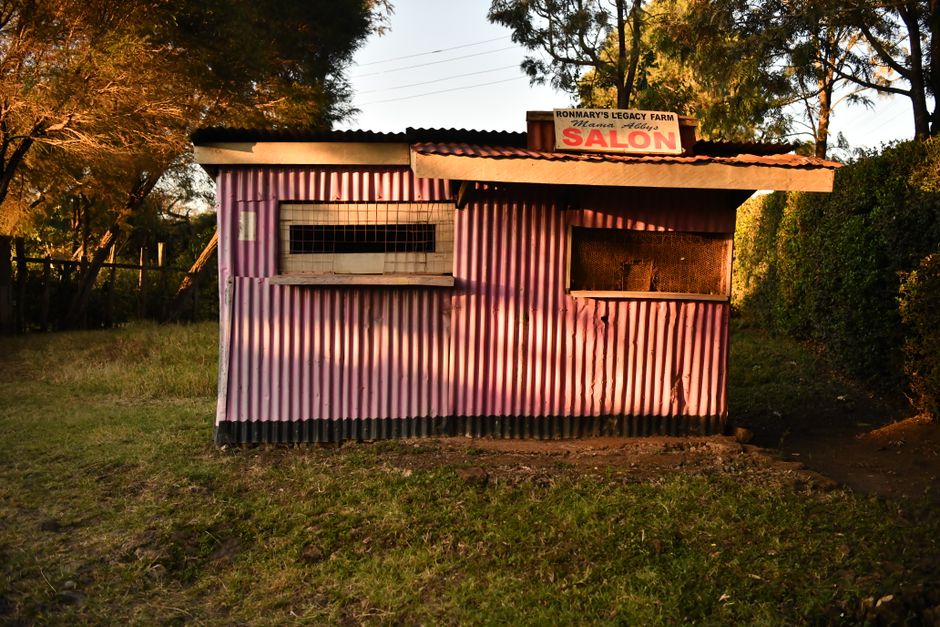
For those seeking grittier authenticity, Mathare's weekend markets reveal entrepreneurial energy that commercial districts often obscure. Along Juja Road, informal traders and small-business owners create a commerce ecosystem that supports thousands of families. Weekend foot traffic here reflects Nairobi's majority experience—unpolished, unfiltered, undeniably alive.
Meanwhile, South C and Kilimani have emerged as younger professionals' weekend destinations, with shared workspaces doubling as social venues, and residential streets hosting pop-up markets and community events. The neighbourhood character here emphasizes accessibility—things work because neighbours organise them, from security watch groups to shared transport initiatives.
What makes these neighbourhood discoveries worthwhile isn't novelty tourism. It's recognition that Nairobi's weekend character lives in how communities organise themselves, how they spend their money locally, and what values they've chosen to prioritise. Whether you're seeking Kenya's signature coffee culture, agricultural authenticity, or grassroots creative energy, each neighbourhood offers not just activities but a genuine glimpse into how different Nairobians construct meaning on weekends. That's the real leisure experience.
This article was compiled by AI from the sources linked above and screened before publishing. See our editorial standards.