Nairobi's Markets Are Getting a Makeover—And Shoppers Are Here For It
From Gikomba to Eastleigh, a wave of infrastructure upgrades and vendor innovation is transforming how locals hunt for bargains and boutique finds.
From Gikomba to Eastleigh, a wave of infrastructure upgrades and vendor innovation is transforming how locals hunt for bargains and boutique finds.
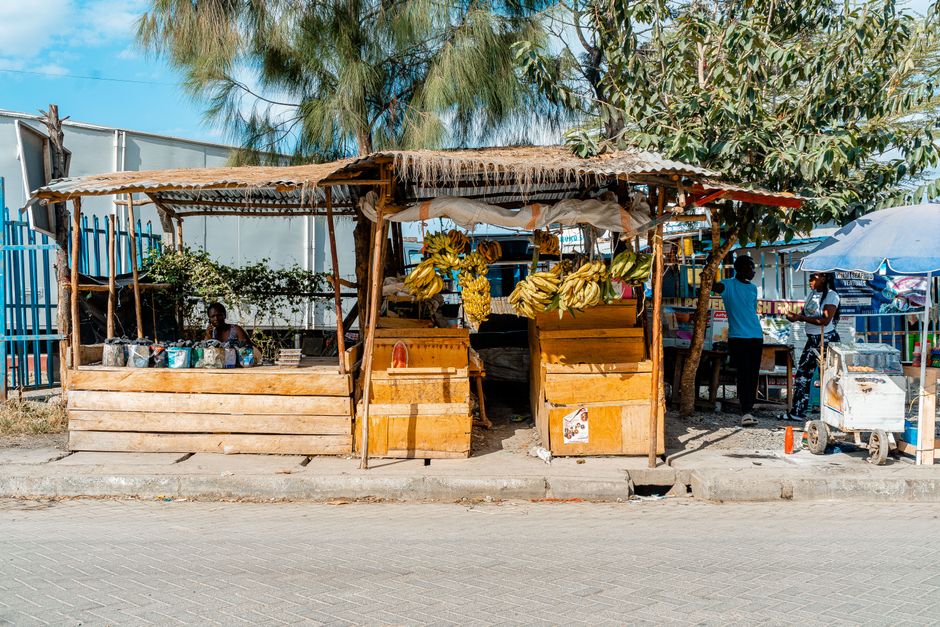
Walk through Gikomba Market on a Saturday morning in 2026, and you'll notice something that wasn't there two years ago: organised stall layouts, improved drainage, and solar-powered lighting that transforms the sprawling textile hub after dark. These incremental changes—born from a partnership between Nairobi City County and informal trader associations—have quietly revolutionised how thousands of Nairobians shop.
"The market used to flood during the rains. Now we have raised walkways," says one long-time vendor. Beyond aesthetics, these upgrades have attracted younger shoppers who previously bypassed traditional markets entirely. Second-hand clothing prices have stabilised around 150-400 shillings per piece, making sustainable fashion accessible without sacrificing quality or variety.
Across town, Eastleigh's transformation reflects a different trend. What was once predominantly a wholesale hub has evolved into a destination retail experience. Shop owners on First Avenue and Fifth Avenue have invested in display windows, product curation, and even Instagram-friendly storefronts. Electronics, fabrics, and jewellery now compete on presentation as much as price. Foot traffic from Nairobi's Central Business District has increased by an estimated 40 per cent since early 2025, according to informal trader surveys.
But perhaps the most significant shift has been the rise of hybrid markets. Spaces like those emerging around Tom Mboya Street now blend formal retail with informal vendors, creating curated collections of Kenyan craftwork alongside imported goods. Young entrepreneurs have seized on this middle ground, positioning themselves between mega-malls and street markets.
"Malls were always expensive and impersonal," notes a 28-year-old shopper from Kilimani. "But markets felt chaotic. Now there's a sweet spot."
Inflation has certainly played a role. With cost-of-living pressures mounting, even middle-income Nairobians have rediscovered the value proposition of traditional markets. A complete outfit—trousers, shirt, shoes—can be assembled for under 2,000 shillings at places like Kamukunji or Kariokor, compared to 5,000-plus at shopping centres.
Vendors have responded by professionalising. Many now accept M-Pesa payments, display price tags clearly, and offer loyalty incentives. This shift towards transparency has rebuilt consumer trust, particularly among younger shoppers wary of overcharging.
As global uncertainty rattles consumer confidence, Nairobi's markets are proving their resilience. They're not just surviving; they're evolving—proving that old-school retail, with a modern twist, remains essential to how this city shops.
This article was compiled by AI from the sources linked above and screened before publishing. See our editorial standards.
How does this story make you feel?
Spread the word
About this article
Published by The Daily Nairobi
Daily brief
Free, in your inbox before 7am. Weekdays.
More in lifestyle