Walk down Chiromo Road on a Thursday evening and you'll witness Westlands' transformation in real time. Office workers spill into craft beer lounges, clusters of friends occupy the outdoor terraces dotting the strip, and the neighbourhood hums with a particular kind of urban energy—one that blends Nairobi's corporate ambition with genuine community soul.
For decades, Westlands was synonymous with glass towers and business suits. But over the past 18 months, the neighbourhood's character has fundamentally shifted. According to recent surveys by the Nairobi Business Forum, nearly 40% of Westlands residents now live here by choice rather than workplace proximity, a significant demographic change that's reshaping everything from retail offerings to social infrastructure.
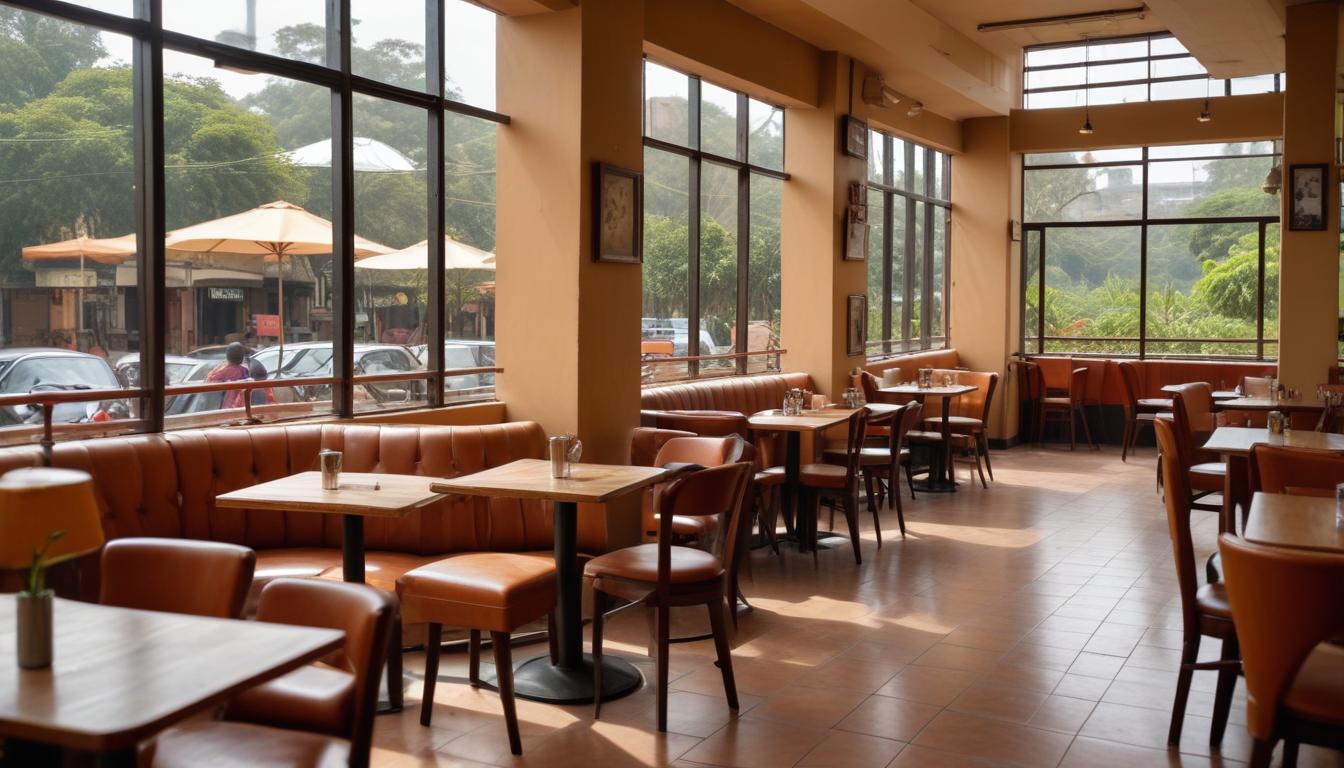
The shift is visible in granular ways. Tree House on Mpesi Lane has become an unlikely community hub where creatives, entrepreneurs, and corporate types converge over coffee. The newly renovated Westlands Primary School grounds have become evening gathering spaces, with young parents claiming benches while children play. Along Parklands Road, a constellation of restaurants—from Artcaffe to newer spots like The Meze House—have cultivated the kind of neighbourhood restaurant culture that was virtually absent five years ago.
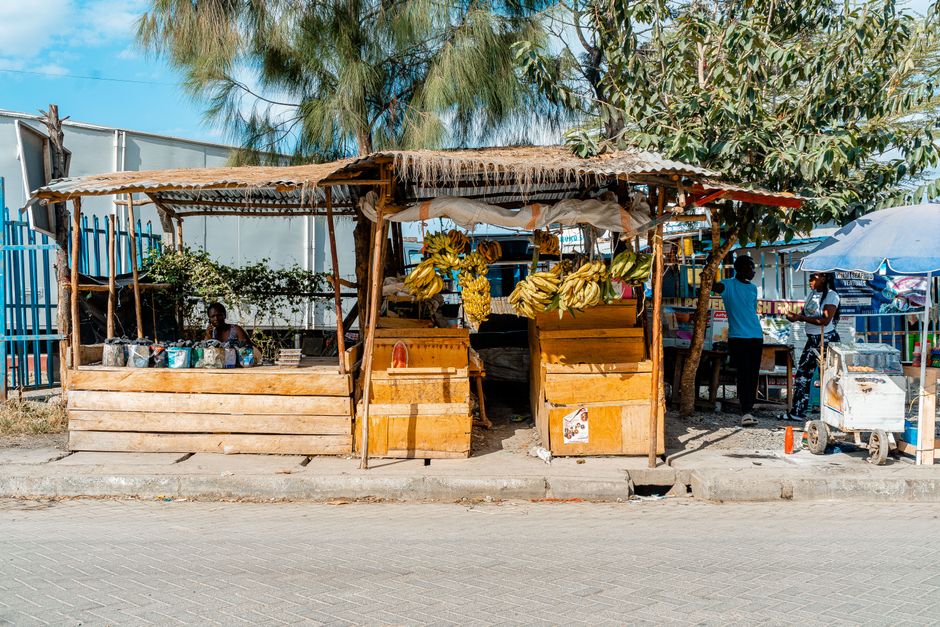
"Westlands feels less transactional now," says one long-time resident, a sentiment echoed across the neighbourhood. Street vendors who once felt like outsiders on Tree Avenue now operate with municipal blessing, their stalls integrated rather than tolerated. The organic emergence of community Facebook groups focused on security alerts, school recommendations, and weekend activities suggests residents are investing emotionally in their surroundings.
Yet tensions persist. Rising commercial rents—averaging 85,000 KES monthly for two-bedroom apartments, up 23% since 2024—are pricing out young families and service workers. The promised light rail connection along the Westlands corridor remains perpetually "under review." Traffic congestion on Limuru Road has become genuinely intolerable during peak hours.
Perhaps Westlands' most authentic characteristic is this: it's a neighbourhood genuinely in conversation with itself. WhatsApp groups debate parking solutions. Residents show up to community meetings about infrastructure. Local businesses sponsor school sports days. It's not perfect, nor is it quaint—Westlands remains avowedly modern and profit-conscious—but it has acquired what many Nairobi neighbourhoods lack: a sense that the community is more than just shared geography.
That's the neighbourhood character emerging from the glass and steel: Nairobi's most ambitious people, finally building space for connection.
This article was compiled by AI from the sources linked above and screened before publishing. See our editorial standards.