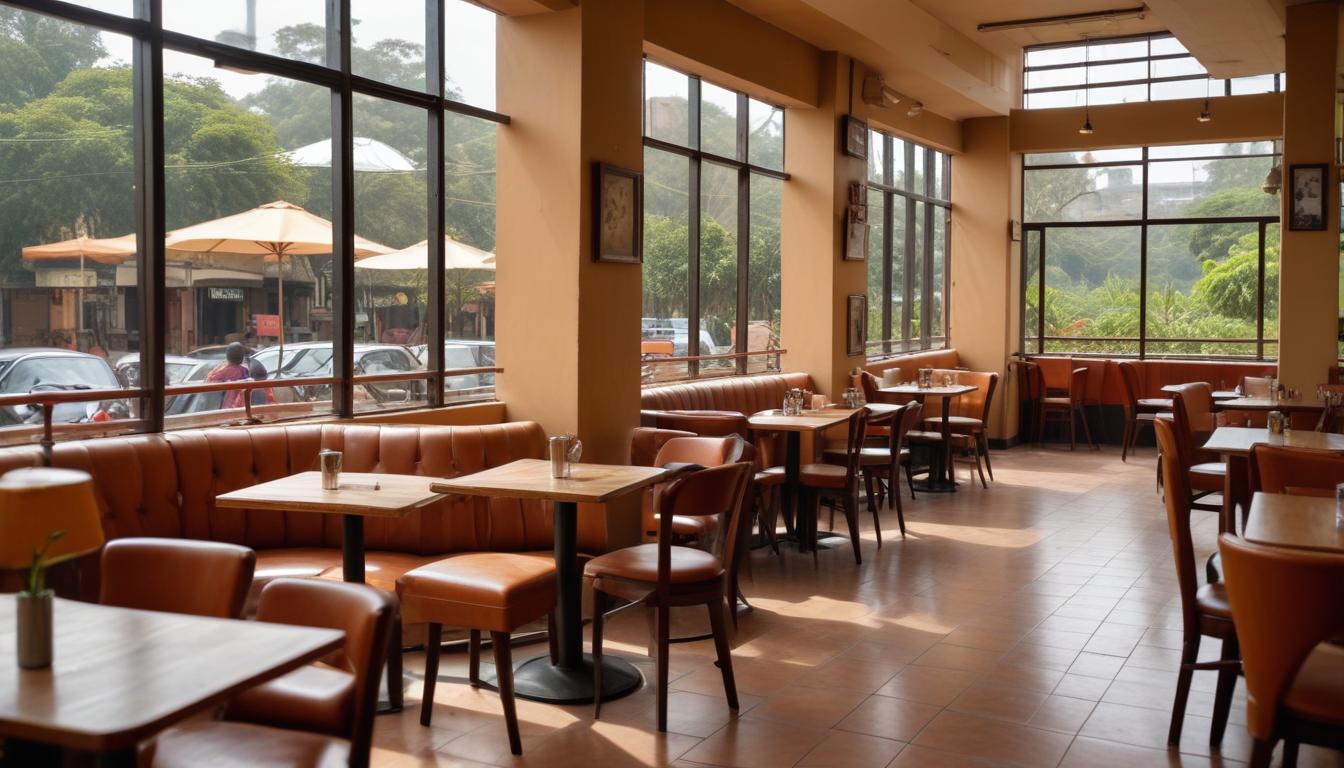
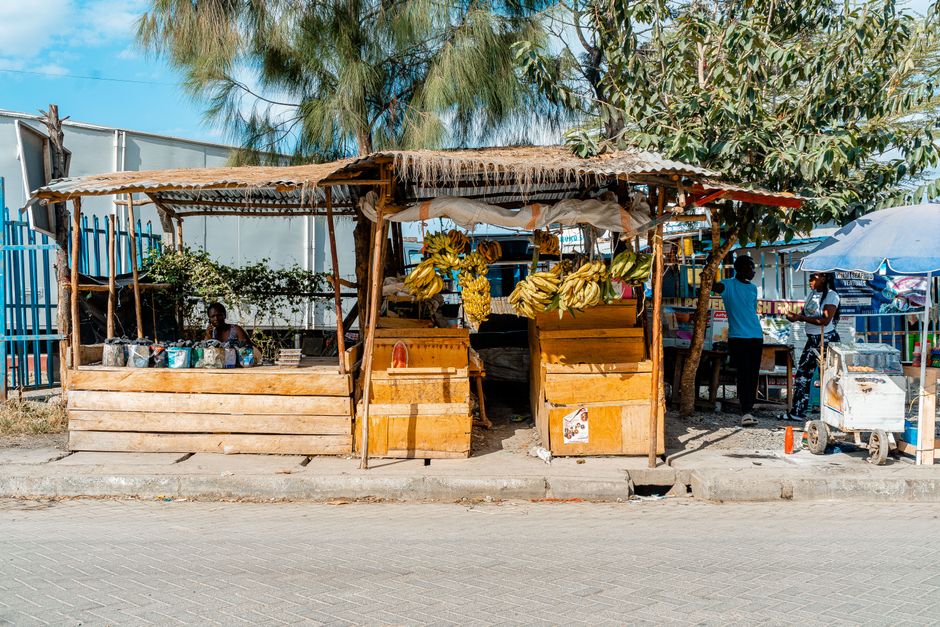
Walk along Mpesi Lane on any weekday morning and you'll witness Westlands' remarkable evolution. Where independent bookshops and art galleries once dominated the streetscape, gleaming co-working spaces now tower alongside heritage storefronts. The neighbourhood, traditionally Nairobi's intellectual playground, is rapidly becoming something altogether different: a dense, vertically-integrated urban hub where old identity and new ambition collide.
Data from Nairobi's Property Developers Association suggests that commercial office space in Westlands has expanded by approximately 340,000 square metres over the past five years—a 28% increase. Alongside this construction boom, residential apartments have become increasingly premium, with one-bedroom flats now averaging 85,000-120,000 KES monthly, compared to 45,000 KES just seven years ago. The shift reflects broader patterns: tech startups, fintech firms, and multinational corporations are consolidating in the area, displacing the smaller cultural institutions that defined it.
Yet Westlands isn't abandoning its heritage entirely. Venues along Tree Avenue and around Nairobi Hospital continue hosting independent theatre productions, while community spaces like The Nairobi Design Centre maintain programming focused on local creatives. Meanwhile, new establishments are attempting hybrid models—restaurants and bars that double as informal networking hubs for the emerging entrepreneur class. Artisan Quarter, a recently revitalised courtyard off Westlands Road, represents this tension perfectly: vintage furniture dealers operate beside minimalist startup offices, attracting both heritage enthusiasts and venture capitalists.
Local residents report mixed feelings about these changes. Long-time community members lament the loss of affordability and grassroots cultural character. Rising commercial rents have forced several established NGOs—the sector that originally shaped Westlands' identity—to relocate eastward toward Industrial Area and beyond. Yet younger professionals cite improved infrastructure, better dining diversity, and enhanced security as tangible improvements to daily living.
The neighbourhood's transformation accelerated significantly post-2023, when improved Metro Line planning made Westlands a strategic nodal point for city connectivity. This visibility attracted major corporate relocations and sparked speculative real estate investment.
As Nairobi continues professionalising and densifying, Westlands exemplifies the broader question facing the city's established neighbourhoods: how to accommodate growth without erasing the community character that made them desirable in the first place. The answer, it seems, lies not in resistance but in careful negotiation—preserving pockets of cultural identity while embracing the commercial forces reshaping urban Kenya's economic landscape.
This article was compiled by AI from the sources linked above and screened before publishing. See our editorial standards.