From Concrete to Community: How Nairobi's Parks Are Being Reimagined for Urban Living
As green spaces transform from neglected patches into social hubs, Nairobi's residents are reclaiming their outdoors.
As green spaces transform from neglected patches into social hubs, Nairobi's residents are reclaiming their outdoors.
Five years ago, Uhuru Park was largely known as a thoroughfare—a space people moved through rather than lingered in. Today, it has become something altogether different: a genuine gathering place where families spread picnic blankets on weekends, joggers navigate newly maintained pathways, and informal wellness groups claim sections for morning yoga sessions.
This shift mirrors a broader transformation rippling across Nairobi's green spaces. From the revitalised Karura Forest trails to the emerging food truck culture around Nairobi Central Park, outdoor living is no longer an afterthought in the city's lifestyle landscape. It has become central to how residents define quality of life.
The numbers tell part of the story. According to recent data from the Nairobi City County Parks Department, visitor footfall to major urban parks has increased by approximately 40% over the past three years. Simultaneously, private green spaces—rooftop gardens, balcony farms, and micro-parks in estates like Kilimani and Westlands—have proliferated as developers recognise that verdant amenities command premium rents.
"People's expectations have shifted," explains the momentum behind initiatives like the Arboretum Green Corridor project, which has begun connecting fragmented pockets of green space along the Nairobi River. What was once considered luxury—accessible outdoor space—is increasingly understood as essential infrastructure for mental health and community cohesion.
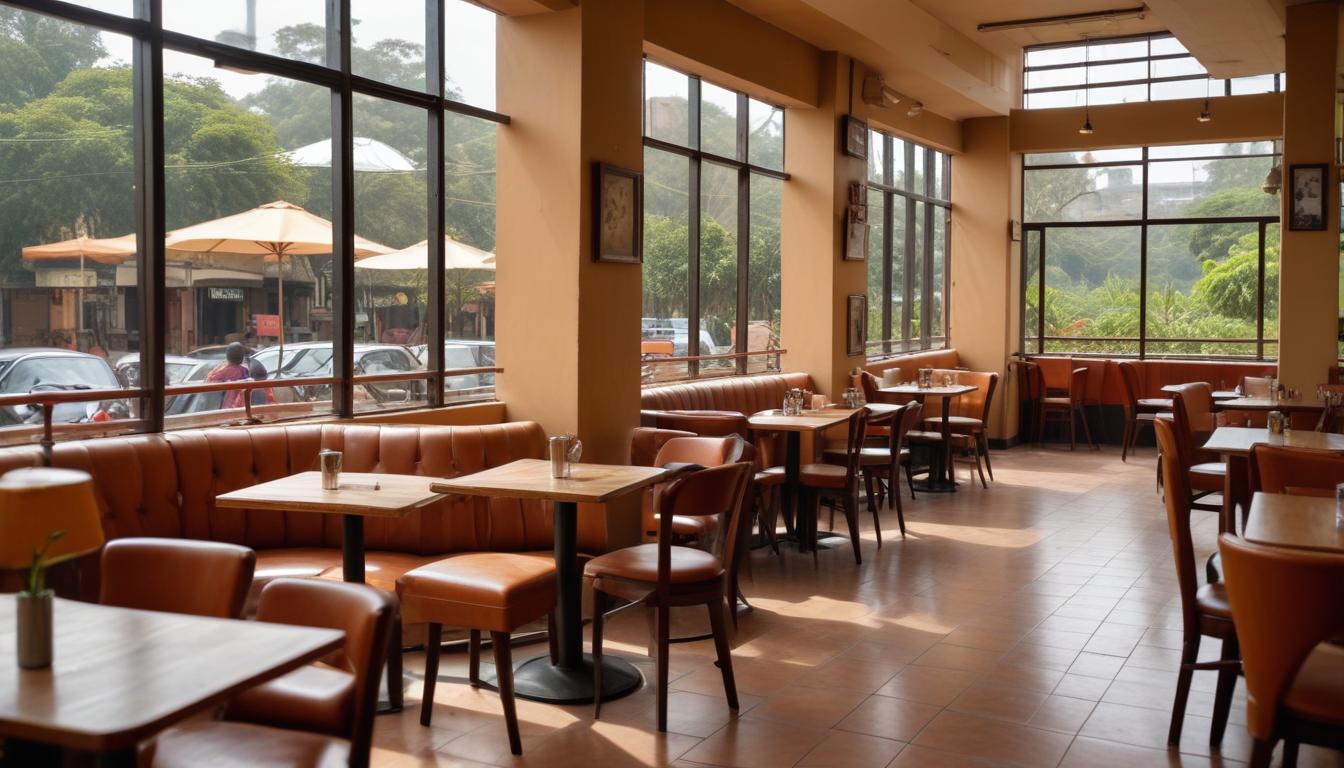
On Ngong Road, the transformation is visible in real time. The opening of several independent coffee roasteries with garden seating has catalysed foot traffic, while organisations like the Nairobi Park Foundation have mobilised volunteers for weekly maintenance efforts. Average spending on outdoor leisure activities among Nairobi's middle class has climbed to approximately 8-12% of discretionary income, up from 4% a decade ago.
Yet challenges persist. Maintenance remains inconsistent, security concerns still deter evening use in certain areas, and the pressure of rapid urbanisation threatens several green pockets. The informal settlements encroaching on Nairobi National Park's borders present ongoing tensions between conservation and livelihoods.
Nevertheless, the trajectory is clear. Parks are no longer seen as ornamental remnants of colonial planning but as vital urban infrastructure. From the newly popularised Kenyatta National Hospital grounds, where impromptu weekend markets now operate, to the restored pathways of Ngong Hills, Nairobi is learning to live outdoors again—and the city is unmistakably better for it.
This article was compiled by AI from the sources linked above and screened before publishing. See our editorial standards.
How does this story make you feel?
Spread the word
About this article
Published by The Daily Nairobi
Daily brief
Free, in your inbox before 7am. Weekdays.
More in lifestyle