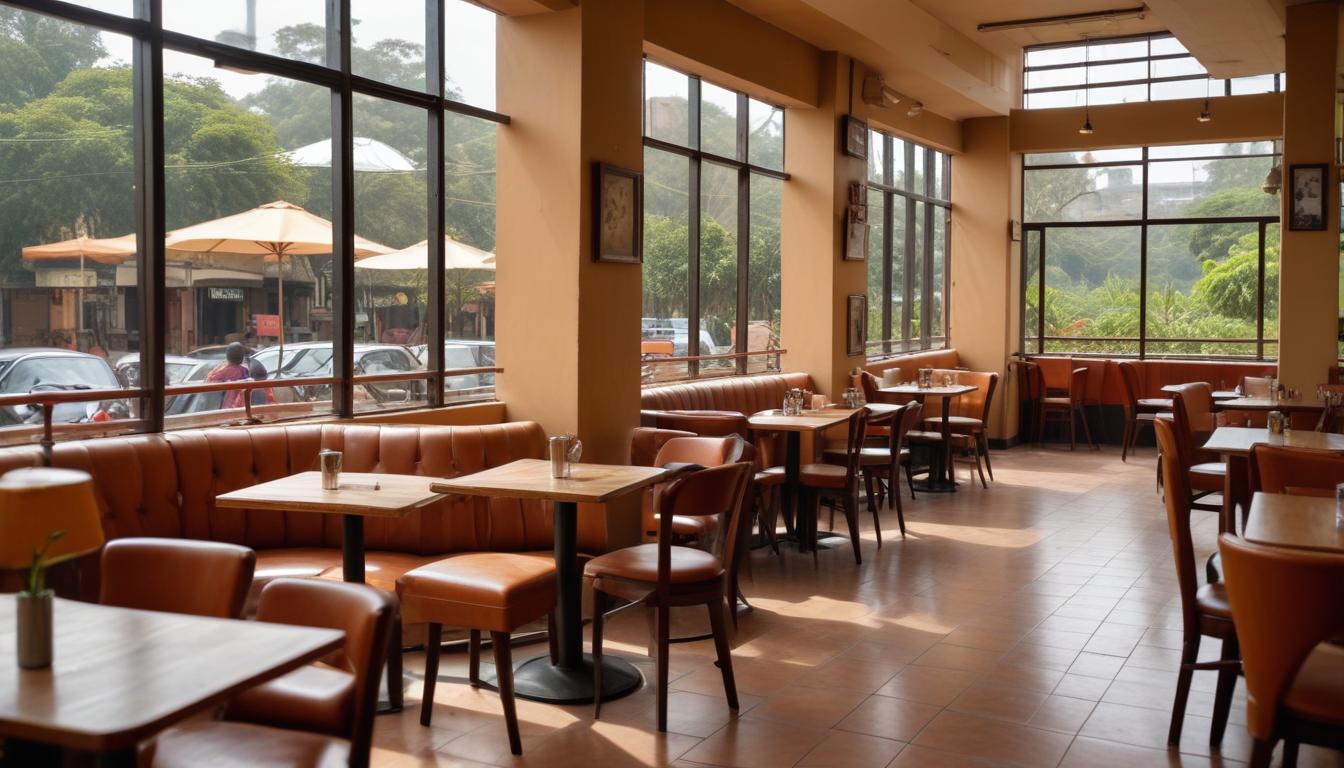
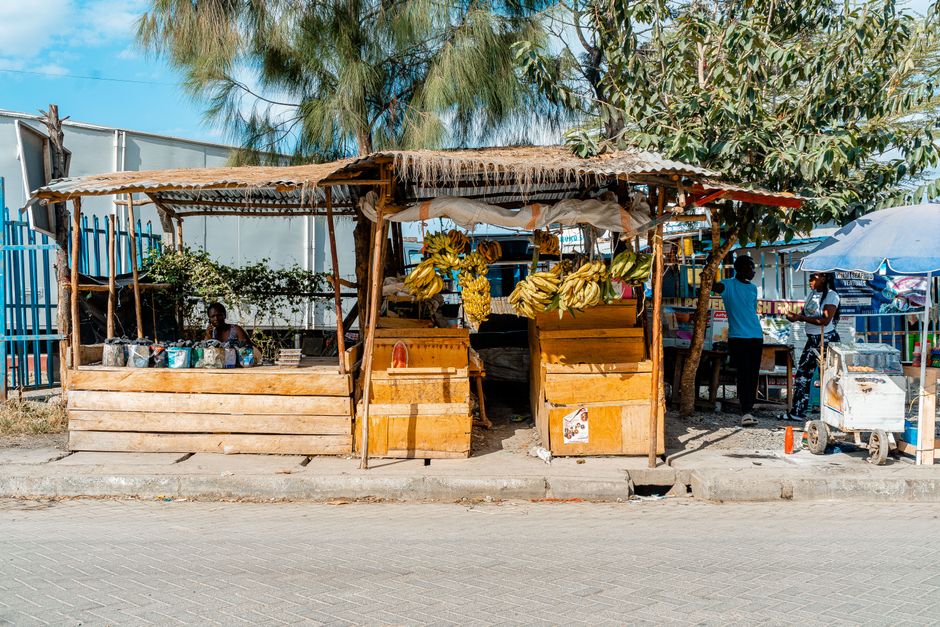
Walk down Mama Ngina Street on a Tuesday morning and you'll notice something distinctly different from five years ago: the vendor hawking fresh sukuma wiki accepts M-Pesa as readily as cash, while the stall next door advertises inventory updates on WhatsApp. Nairobi's retail landscape is undergoing a quiet but significant transformation, blending the grit of traditional markets with the convenience of digital commerce.
The shift is most visible in established shopping zones. In Westlands, where middle-class shoppers have long flocked to boutiques and chain stores, independent retailers are now adopting e-commerce platforms and loyalty apps. A 2025 survey by the Nairobi Retail Association found that 63% of market traders in the Central Business District now use mobile payment systems, up from just 19% in 2020. The change reflects both consumer demand and necessity—post-pandemic shopping habits have stuck.
But digitalisation isn't the only evolution reshaping these neighbourhoods. In Parklands, artisanal market concepts have exploded. Pop-up weekend markets at venues like the Nairobi Arboretum have attracted younger, affluent consumers seeking curated local goods—everything from organic coffee to handmade ceramics. These spaces charge premium prices, yet stallholders report strong foot traffic, indicating a bifurcation in how Nairobians shop.
The transformation extends to traditional zones like the City Market, which underwent renovations completed in 2024. Vegetable vendors now occupy designated climate-controlled sections, while upper floors host young designers and craftspeople selling fashion and home décor at price points that would have seemed impossible in the neighbourhood a decade ago. Fresh produce still dominates—a bunch of sukuma wiki costs between Sh20-40 depending on season—but the market's overall positioning has shifted upmarket.
Real estate dynamics are driving much of this change. Rent pressures in prime areas like Nairobi CBD have forced out long-standing traders, replaced by franchise operators and corporate retail. Meanwhile, emerging neighbourhoods like Kilimani are developing neighbourhood markets that marry informality with design consciousness, attracting young professionals.
Not everyone celebrates these shifts. Older traders lament rising overheads and competition from e-commerce platforms. Yet market associations acknowledge adaptation is survival. The Nairobi Traders and Manufacturers Association reported that 42% of its members have launched online presence in the past 18 months.
The lesson? Nairobi's markets aren't disappearing—they're evolving, creating a hybrid retail ecosystem where haggling coexists with hashtags, and a kilo of tomatoes can be ordered via WhatsApp.
This article was compiled by AI from the sources linked above and screened before publishing. See our editorial standards.