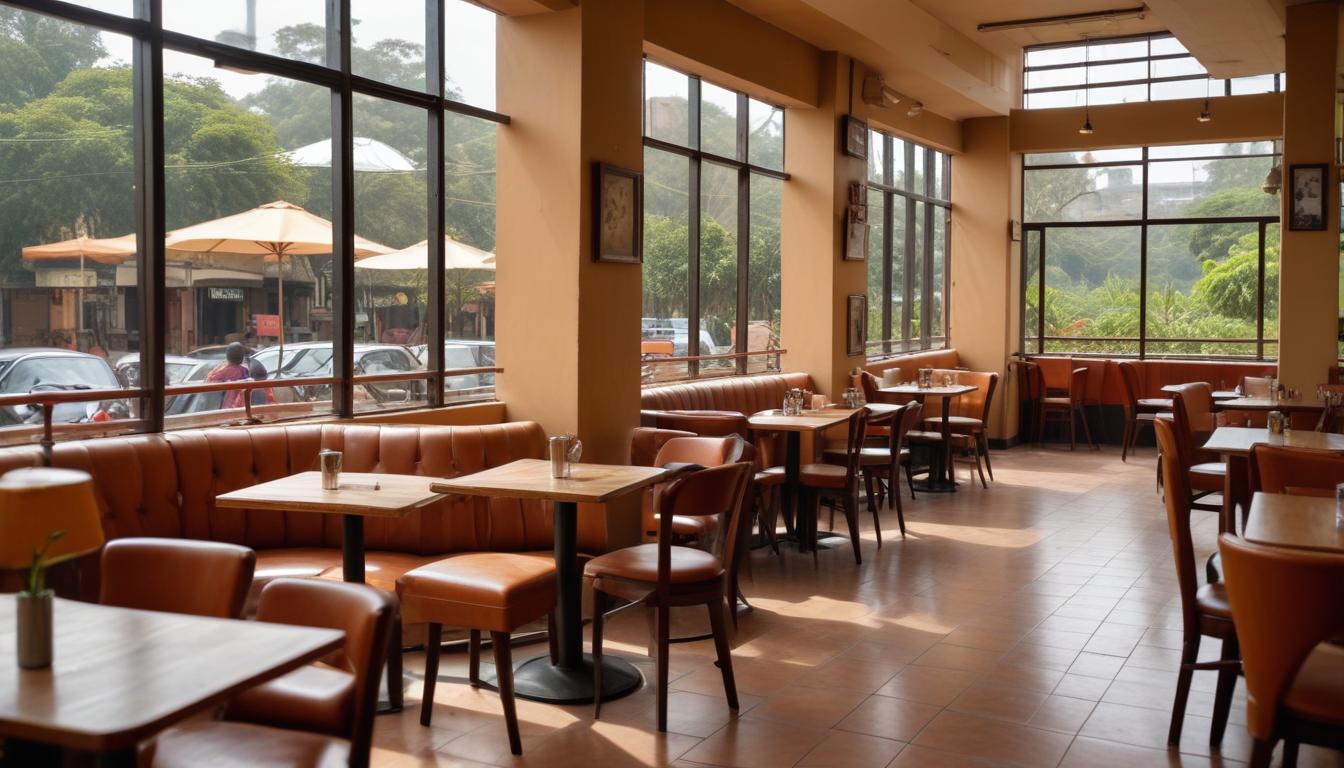
Walk into any upscale bar in Manhattan, Dubai, or Singapore, and you'll encounter a predictable formula: premium spirits, sleek interiors, and a price tag that matches the décor. But step into Nairobi's thriving nightlife scene, and you discover something entirely different—a phenomenon that has quietly made East Africa's capital one of the world's most distinctive after-dark destinations.
What sets Nairobi apart isn't merely the venues themselves, though establishments like those dotting Westlands' tree-lined avenues and the increasingly sophisticated Quarter Bottle Quarter have certainly elevated the city's bar culture. Rather, it's the intangible alchemy: the way a DJ spinning Afrobeats at a Karen rooftop bar draws financiers, artists, entrepreneurs, and locals into genuine conversation. The way a bottle of Tusker beer costs a fraction of what you'd pay elsewhere, yet sits alongside craft cocktails that rival those in any global metropolis.
Nairobi's nightlife thrives on accessibility paired with ambition. A night out doesn't require choosing between authenticity and sophistication. In Kilimani's converted colonial villas-turned-lounges, you'll find locally-sourced ingredients mixed into innovative drinks, live music from Kenyan artists commanding international attention, and conversations that span tech entrepreneurship, conservation efforts, and continental African politics. This intellectual vitality—this sense that something genuinely important is happening in the city—permeates the scene in ways that purely transactional nightlife venues elsewhere simply cannot replicate.
The diversity is crucial too. Unlike cities where nightlife segregates by wealth or interest, Nairobi's social landscape permits genuine mixing. A tech founder might find themselves at the same Upper Hill venue as a traditional musician, a diplomat, and a street entrepreneur. The city's relatively compact geography means neighbourhoods like Westlands, Karen, Kilimani, and South B operate as interconnected social ecosystems rather than siloed enclaves.
International visitors increasingly recognise this. Tourism to Nairobi's nightlife scene has grown steadily, with travellers seeking experiences beyond the safari narrative. They come for the rooftop bars offering views of the Nairobi skyline, stay for the music scene—increasingly attracting major African and international acts—and leave having experienced something genuinely distinct.
What makes Nairobi's nightlife unique, ultimately, is that it refuses the false choice between global standards and local character. The city doesn't apologise for its cosmopolitan aspirations, nor does it abandon its roots in pursuit of them. That balance—rare globally—is precisely why Nairobi's bar scene deserves international recognition as something genuinely, irreplaceably its own.
This article was compiled by AI from the sources linked above and screened before publishing. See our editorial standards.