Stand at the Nairobi Railway Station at 6:45 a.m. on any weekday and you'll witness a daily migration that defines the capital's neighbourhoods as much as any monument. The Standard Gauge Railway commuters heading to Westlands represent a different Nairobi than those cramming into matatus on Mombasa Road bound for Industrial Area. Yet it's precisely through these transit corridors that the city's true character emerges.
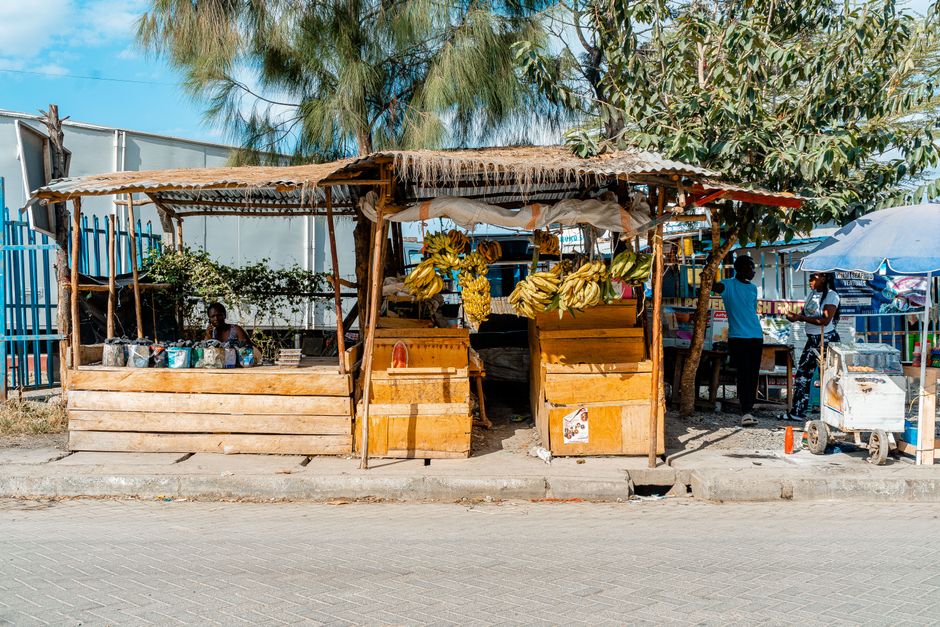
In Nairobi's inner-city neighbourhoods like Parklands and Highridge, the morning commute has cultivated a particular rhythm. Residents joke about the "Parklands pause"—that moment when everyone waits for the traffic on Ring Road to clear around 8:15 a.m. Local coffee vendors near the roundabouts have become unofficial timekeepers, their thermos refills marking the shifting traffic patterns. These informal nodes of commerce aren't just service points; they're social anchors where neighbours who rarely see each other otherwise exchange updates.
Travel south towards Kibera and Langata, and the commute tells a different narrative altogether. Here, matatus double as community newspapers. Conductors know regulars by sight, children share seats, and the 45-minute journey from Pipeline to the CBD becomes a microcosm of neighbourhood solidarity. A recent transport survey noted that residents in these areas spend an average of 90 minutes daily commuting—nearly double that of affluent central suburbs—yet these journeys foster a cohesion often absent in car-dependent zones.
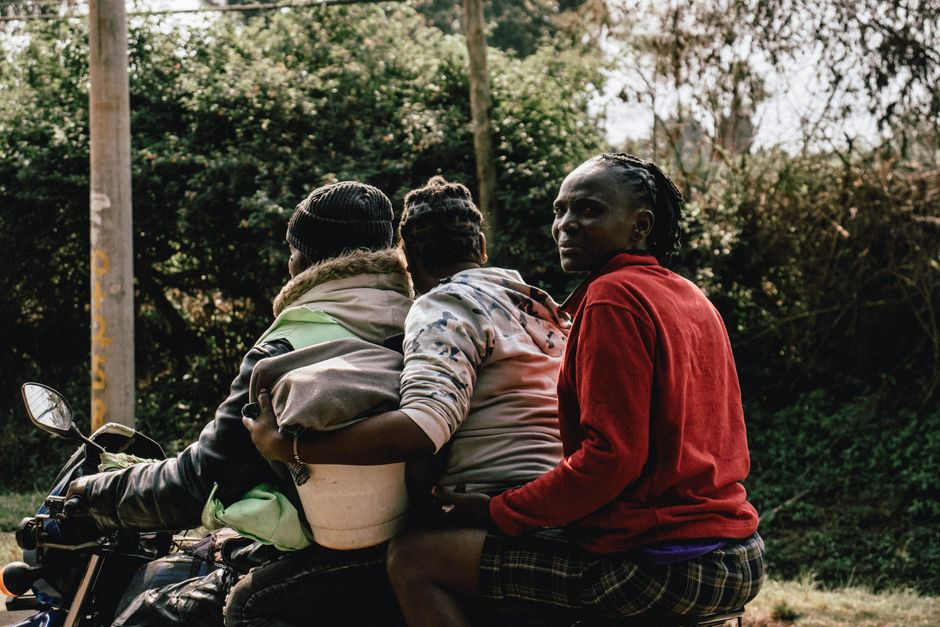
The Eastleigh corridor presents yet another character. Once dominated by a single commuting pattern, the neighbourhood has evolved dramatically. Today's journey along First Avenue reflects Eastleigh's transformation: alongside traditional matatu stops, you'll find ride-hailing hubs, motorcycle taxi staging areas, and informal bus stops that serve migrants and visitors. This transport diversity mirrors the neighbourhood's economic dynamism and cultural plurality.
What strikes most observers is how Nairobi's commute infrastructure—however imperfect—has become the connective tissue binding disparate communities. The matatu crews, the railway staff at Embakasi and Syokimau stations, the motorcycle taxi operators clustered near Ngong Road—each represents a neighbourhood's working backbone.
As the city grapples with urban congestion and plans expansion of the Standard Gauge Railway to Nairobi West and beyond, one hopes planners remember this: transport in Nairobi isn't merely about moving people efficiently. It's about preserving the spontaneous, human-scaled interactions that give each neighbourhood its distinctive identity. The commute, messy as it often is, remains the truest expression of how Nairobi actually lives.
This article was compiled by AI from the sources linked above and screened before publishing. See our editorial standards.